Trump’s Tariff Threat: 50% on China Over Iran Aid
Former President Donald Trump is threatening China with a 50% tariff if it aids Iran militarily. Meanwhile, Hungary's Prime Minister Viktor Orban has conceded election defeat after 16 years in power, with opposition leader Péter Magyar set for a landslide victory.

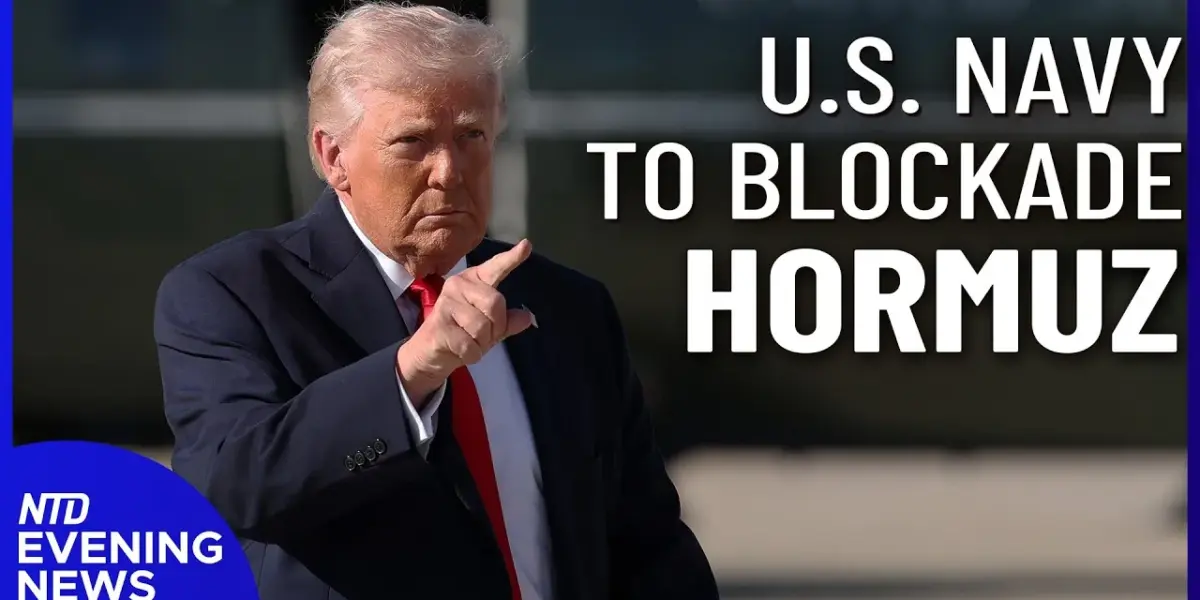
Trump’s Trade Tensions Flare: A 50% Tariff on China Looms
The global stage is buzzing with new developments, particularly concerning the United States’ relationship with China and its stance on Iran. Former President Donald Trump has issued a stern warning: a 50% tariff on Chinese goods if China provides military aid to Iran. This move signals a potential escalation in trade wars and a complex geopolitical strategy.
Hungary’s Political Shake-Up: Orban Concedes After 16 Years
In Hungary, a significant political shift is underway. Prime Minister Viktor Orban, who has held power for 16 years, has conceded defeat in the national election. Péter Magyar, representing the opposition party Tisza, appears poised for a landslide victory. This change marks the end of a long era in Hungarian politics and opens a new chapter for the country.
Geopolitical Chessboard: US Navy and Iran’s Role
The United States Navy is preparing for its next moves following a recent round of negotiations with Iran that reportedly did not go as planned. While details remain scarce, this suggests a heightened focus on naval operations in the region. The context for this includes ongoing concerns about Iran’s influence and activities.
Why This Matters
These events carry significant weight for international relations and economic stability. Trump’s tariff threat against China directly impacts global trade. A 50% tariff is a substantial increase, far beyond typical trade disputes. It suggests a willingness to use aggressive economic measures to achieve foreign policy goals. This could disrupt supply chains and affect businesses worldwide, forcing them to reconsider their reliance on Chinese manufacturing.
The change in leadership in Hungary is also noteworthy. Orban’s long tenure was characterized by specific policies and a particular relationship with the European Union. A new government under Péter Magyar could lead to policy shifts within Hungary and alter its standing in Europe. These internal changes often have ripple effects on international partnerships and economic agreements.
Furthermore, the US Navy’s increased activity, coupled with diplomatic tensions, points to a volatile situation in the Middle East. The specific actions taken by the US and the reactions from Iran and its allies will be closely watched. This situation highlights the delicate balance of power and the potential for conflict in a strategically vital region.
Historical Context and Future Outlook
Trade disputes between the US and China are not new. Previous administrations have used tariffs as a tool to address trade imbalances and national security concerns. Trump’s proposed 50% tariff, however, would be a dramatic increase, potentially dwarfing previous measures. This could signal a return to more protectionist trade policies, with significant global economic consequences.
In Hungary, Orban’s Fidesz party has been in power since 2010. His government implemented policies that often clashed with EU values, particularly regarding the rule of law and immigration. The rise of Péter Magyar and the Tisza party suggests a desire for change among Hungarian voters. The future direction of Hungary’s domestic and foreign policy will depend on how the new government chooses to engage with the EU and other international partners.
The situation with Iran remains a persistent concern for global security. For years, international efforts have focused on Iran’s nuclear program and its regional activities. The US Navy’s presence is a standard part of its global strategy, but any increase in activity often signals heightened tensions. The effectiveness of diplomatic efforts versus military posturing will continue to shape outcomes in this complex geopolitical arena.
Looking ahead, the interplay between these events will be crucial. A sharp increase in US-China trade tensions could reshape global economic alliances. A new political direction in Hungary might influence European stability. And ongoing developments in the Middle East will continue to demand international attention. The coming months will reveal how these forces interact and what the long-term implications will be for global politics and economics.
Source: Hungary's Orban concedes; Trump threatens 50% China Tariff over Iran aid| NTD Evening News (Apr. 12) (YouTube)

Related Articles

Trump’s Iran Deal Fallout: A Hostage to His Own Words?
An analysis of Donald Trump's alleged agreement to Iran's 10-point plan reveals concerns over significant concessions. Hosts on the Midas Touch Network and "Alien Super Show" dissect the potential implications, including Iran's control over the Strait of Hormuz and other strategic gains. The discussion questions the effectiveness and transparency of Trump's foreign policy decisions.
US Tightens Grip: Iran Strait Blockade Sparks Global Oil Fears
The U.S. is threatening to block Iranian ports, a move that could severely disrupt global oil supplies. This action tests international law and puts major economies like China and India at risk of inflation. The standoff signals a potential shift in global power dynamics.
US Navy Blockades Strait of Hormuz, Targets Iranian Tolls
The U.S. Navy has initiated a blockade of the Strait of Hormuz, targeting vessels paying Iranian transit tolls. This move aims to cut off Iranian revenue and follows failed diplomatic talks. The action carries significant geopolitical risks, particularly concerning potential Chinese involvement.