Orban’s Defeat Deals Blow to Trump’s Global Standing
Viktor Orban's significant election loss in Hungary is seen as a major blow to Donald Trump and JD Vance's global influence. The outcome challenges the momentum of the far-right and offers hope for democratic movements worldwide, with potential lessons for the U.S. Democrats.

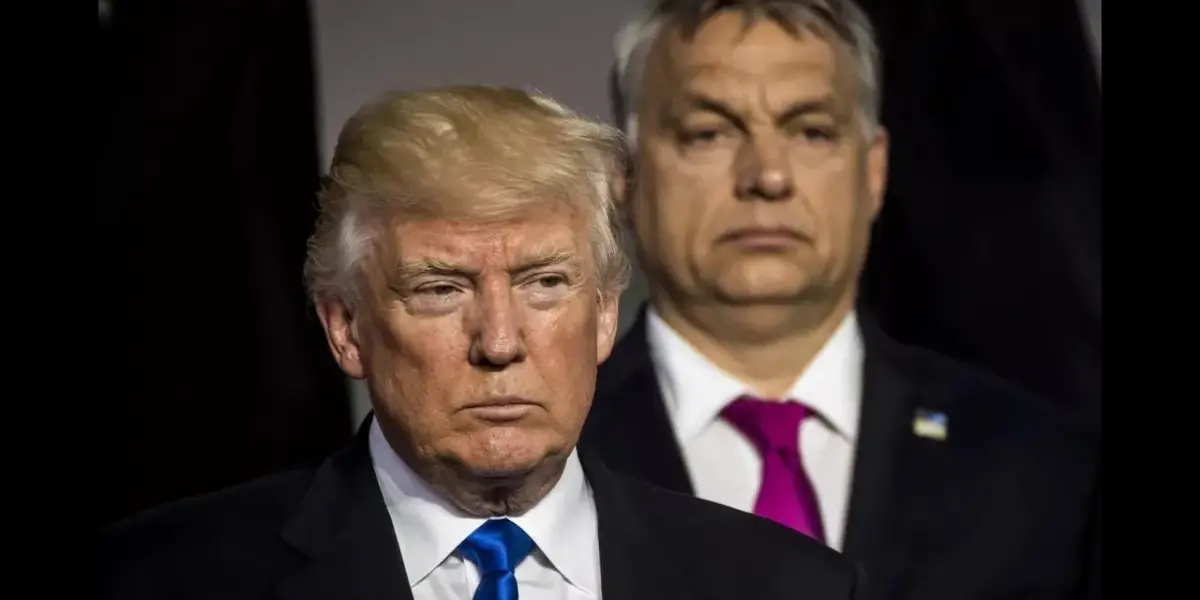
Orban’s Defeat Deals Blow to Trump’s Global Standing
The recent election results in Hungary, where long-time leader Viktor Orban suffered a significant defeat, are sending ripples far beyond Europe. This outcome is being seen by many as a major setback for former U.S. President Donald Trump and his allies, including Senator JD Vance. Trump and Vance had openly supported Orban, making their endorsement a public statement of their political alignment.
The fact that Orban, often described as Europe’s most illiberal leader, lost by a wide margin despite this high-profile backing raises questions about the extent of Trump’s influence on the global political stage. This election outcome suggests that the support of Trump and his circle may no longer be the guaranteed boost it once was.
A Setback for the Far-Right Movement
Ben Rhodes, co-host of Pod Save the World, highlighted the significance of Orban’s loss. He explained that Orban, despite Hungary’s size, has been a key figure for a certain type of far-right and autocratic politics since 2010. Orban’s approach to governance and his political strategies have often been seen as a model for the shift towards autocracy within the Republican party in the United States. There have been shared political consultants, media tactics, and a common ideological framework connecting these movements.
Rhodes pointed out that JD Vance’s public campaigning for Orban, which was meant to demonstrate strength, ended up being a moment of humiliation. While the election is a victory for the Hungarian people, it is also a blow to autocratic leaders and their supporters worldwide. This event challenges the narrative that the far-right populist wave is unstoppable.
Impact on JD Vance and Future Elections
The election results also have implications for JD Vance’s political future. This was Vance’s first attempt to act as a political kingmaker on the international stage. With Donald Trump facing term limits, Vance is seen by some as a potential successor to the MAGA movement. His public support for Orban, without Trump’s direct involvement, was an effort to position himself as a prominent figure in this global political trend.
Rhodes suggested that this defeat could undermine Vance’s political identity. Vance has positioned himself as a leader of a new right-wing nationalism. Campaigning heavily for a candidate who then loses so decisively could weaken his standing and his ability to attract support in future elections, particularly as the U.S. heads towards the 2028 presidential election.
Shifting Momentum in Global Politics
While it might be too early to declare the end of right-wing populism, the Hungarian election suggests a potential shift in momentum. Rhodes noted that some European far-right movements have begun to distance themselves from Donald Trump. He cited examples like Giorgia Meloni in Italy, who has become more critical of certain international policies, and parties in Germany and France that are trying to avoid association with Trump’s more controversial stances.
This distancing suggests that Trump’s actions and presidency may be seen as a negative example by some international leaders. Instead of being an engine for the global far-right, Trump might be becoming more of a liability. This is a significant change from when his victories were seen as energizing the movement.
Historical Context: The Orban Playbook
Ben Rhodes’ book, “After the Fall,” explores the rise of authoritarianism, with a significant portion dedicated to Viktor Orban’s political playbook. Rhodes describes how Orban, starting in 2010, built a system that consolidated power. This involved changing the constitution, transforming the judiciary, controlling media, and demonizing opponents. This strategy, often referred to as the “authoritarian playbook,” has been influential.
Rhodes explained that this playbook, which he traced from Putin to Orban and then to Trump, involved tactics like redrawing electoral districts, corruptly enriching allies, and using social media for intimidation. Orban was seen as a key figure, a “big brother” to many other far-right leaders, particularly in Central and Eastern Europe, who adopted similar methods. The hope is that by removing Orban from power, some of these interconnected structures could begin to weaken.
The Fight for Liberal Democracy
The Hungarian election offers a potential turning point for democracy advocates. For years, activists and journalists in Hungary have faced harassment and targeting under Orban’s rule. The overwhelming nature of the election result, making it difficult for Orban to claim fraud, is seen as a positive sign. This overwhelming victory provides hope that even in systems where the playing field is heavily tilted, electoral success is possible for democratic forces.
The focus now shifts to whether the new government can reverse Orban’s illiberal policies. A key question is whether the opposition secured a two-thirds supermajority in parliament. This level of majority is necessary to make constitutional changes, which Orban used in 2010 to entrench his power. Without it, the new government may face a tougher struggle to dismantle the existing structures and restore more liberal democratic norms.
Lessons for Democrats Abroad
The events in Hungary and elsewhere, like the accountability faced by leaders such as Jair Bolsonaro in Brazil, offer lessons for democratic parties globally. The success in removing anti-democratic figures from power in their own countries could inspire and provide strategies for Democrats in the United States. The argument is that if other nations can effectively push back against and hold accountable leaders who have undermined democratic institutions, then similar efforts should be possible and necessary at home.
The conversation highlights a perceived lack of appetite for accountability within the U.S. Democratic party when it comes to challenging figures who have engaged in anti-democratic actions or corruption. The hope is that seeing successful efforts abroad will provide both ideas and the courage for Democrats to pursue a more assertive approach to cleaning house and dismantling embedded far-right influence.
The New Hungarian Leadership
The new Prime Minister of Hungary is described as a center-right figure who was once part of Orban’s party but became disillusioned. While not a progressive candidate, he has shown a strong commitment to democracy and has taken a clear stance against Russian influence and in support of Ukraine. His broad appeal, uniting various opposition groups, is seen as a key factor in the election’s resounding outcome.
This coalition approach, bringing together different political factions under a common goal of restoring liberal democracy, serves as a model. It demonstrates the power of a united front, especially in overcoming a media landscape heavily controlled by the incumbent. The victory, even if the new leader doesn’t align on all social and economic policies, is viewed as a crucial step forward for the country.
Why This Matters
The defeat of Viktor Orban in Hungary is more than just a national election result; it’s a significant moment in the global struggle between liberal democracy and authoritarianism. It directly challenges the influence of figures like Donald Trump and JD Vance, suggesting their political models may be losing their appeal. The outcome provides a much-needed boost to democratic movements worldwide and offers a potential blueprint for how to counter illiberal forces. The ability of the new Hungarian government to reverse Orban’s policies will be closely watched as a test case for democratic resilience and the potential for a ‘snap back’ from authoritarianism, offering vital lessons for democracies facing similar challenges, including in the United States.
Source: BREAKING: Trump HUMILIATED amid BOMBSHELL election results in Europe (YouTube)

Related Articles


Senator Vance Accused of Hypocrisy on Election Interference Claims
Senator J.D. Vance faces accusations of hypocrisy for condemning foreign election interference while allegedly engaging in similar actions abroad. Critics point to his statements downplaying Russian interference and his meetings with controversial foreign leaders as contradictory.


Hungary Rejects Orban’s Rule: A Democratic Uprising
Hungary has ousted Prime Minister Viktor Orban after 16 years in power, with the opposition Taisa party securing a decisive victory and potentially a supermajority. Record voter turnout signaled a strong public desire for democratic change and a pro-European future.


Hungary Rejects Orban’s Authoritarianism, Embraces Europe
Hungary has ousted Viktor Orban after 16 years in power, with Peter Magyar's Taisa party winning a decisive victory. The election saw record turnout and a clear rejection of Orban's authoritarian policies. This outcome signals a significant shift towards pro-European and democratic values, impacting both Hungary and the wider European Union.