US Navy Blockades Strait of Hormuz, Targets Iranian Tolls
The U.S. Navy has initiated a blockade of the Strait of Hormuz, targeting vessels paying Iranian transit tolls. This move aims to cut off Iranian revenue and follows failed diplomatic talks. The action carries significant geopolitical risks, particularly concerning potential Chinese involvement.

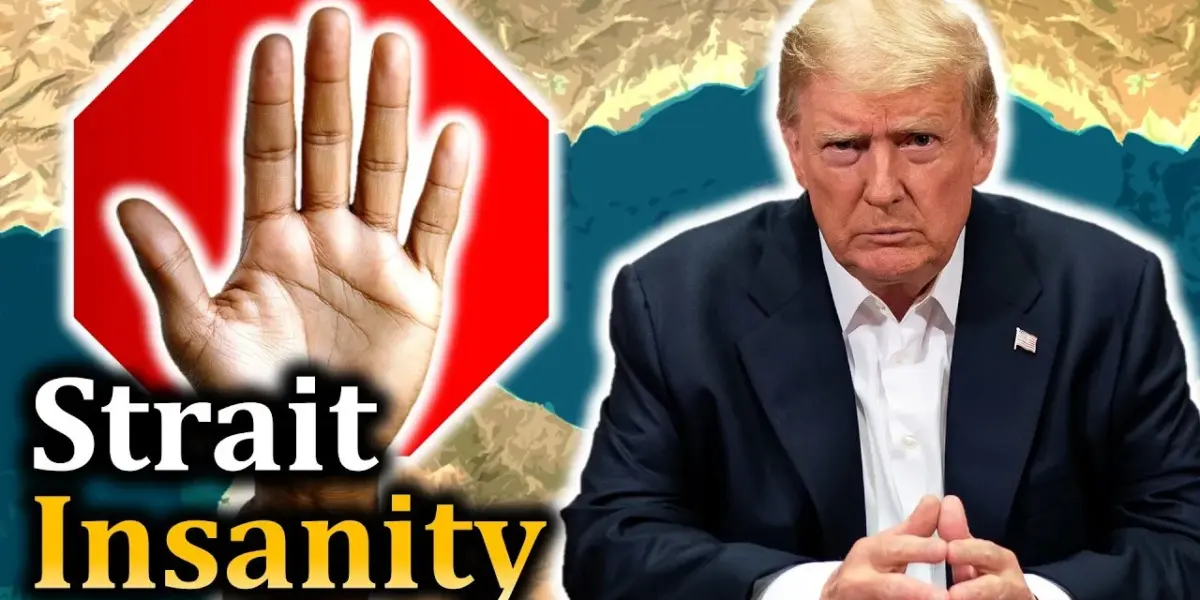
US Navy Blockades Strait of Hormuz, Targets Iranian Tolls
The United States Navy is initiating a blockade of the Strait of Hormuz, a critical maritime chokepoint. This action aims to disrupt Iranian revenue streams by targeting vessels that pay transit tolls to Tehran. The move follows a diplomatic stalemate after Vice President J.D. Vance’s negotiations in Pakistan failed to yield a long-term resolution with Iran.
Blockade Details and Objectives
President Trump announced the blockade via Truth Social, stating, “Effective immediately, the United States Navy … will begin the process of BLOCKADING any and all ships trying to enter, or leave, the Strait of Hormuz.” However, the announcement clarifies the primary focus: interdicting vessels that have paid tolls to Iran. This is intended to prevent Iran from collecting what the U.S. deems an “illegal toll” and to counter threats that have significantly reduced maritime traffic.
The U.S. Navy will also destroy mines reportedly laid by Iran in the Strait. While the announcement mentions blocking “any and all ships,” the practical application appears to target ships paying Iranian protection fees. The U.S. will not stop vessels not involved in this toll scheme, provided they are not acting in defiance of U.S. policy.
Implementing the Blockade
Physically enforcing the blockade requires substantial naval assets. The U.S. Navy possesses the capability, leveraging its status as the world’s leading naval force. The Strait of Hormuz is a narrow passage, making it a strategic chokepoint. Policing it effectively will demand significant resources and effort from the U.S. Navy.
To minimize risks from Iranian territory, U.S. Central Command (CENTCOM) will likely position assets in the Gulf of Oman. This expanded operational area may necessitate the deployment of multiple carrier strike groups, potentially including the USS Abraham Lincoln and the USS George H.W. Bush, along with numerous destroyers and frigates. The U.S. has indicated that other countries may participate, possibly involving Saudi Arabia and the UAE patrolling internal waters.
Boarding operations, traditionally handled by Coast Guard assets, will be crucial for interdicting vessels. Chasing down every vessel paying Iranian tolls could prove taxing on available resources. The U.S. has previously demonstrated its ability to seize ships operating against White House policy.
Strategic Context and Implications
The blockade represents a shift in U.S. strategy, moving away from diplomatic efforts and towards economic pressure. Previous U.S. policy allowed for asymmetric Strait passages, avoiding interference with vessels paying Iranian tolls. This approach was partly influenced by domestic political concerns, particularly inflation in the United States, which the administration sought to mitigate by keeping oil prices low.
The current blockade is designed as a coercive tool to compel Iran to fully reopen the Strait. If successful, it could lead to increased global oil prices due to reduced supply. The U.S. has already dispatched destroyers to clear Iranian mines, signaling a preparatory phase for potential tanker escorts.
This action is seen as a less escalatory step compared to resuming airstrikes. It aims to transform the Strait’s closure from a unilateral Iranian benefit into a broader geopolitical issue. The decision may also be influenced by President Trump’s political standing, with the administration potentially seeking to leverage foreign policy actions to bolster domestic support.
Geopolitical Ramifications
A significant challenge arises from the potential involvement of China, Iran’s primary oil buyer. Interdicting oil shipments destined for China could provoke a strong reaction from Beijing. China faces a dilemma: disrupting U.S. military efforts in Iran could benefit its strategic goals, such as the potential capture of Taiwan. However, China also relies on affordable oil, and a prolonged Strait shutdown would increase global energy costs.
The U.S. likely anticipates that China will exert diplomatic pressure on Iran to reopen the Strait, given its own economic interests. This situation echoes China’s recent calls for a ceasefire and its reported interest in sending arms to Iran.
An alternative scenario involves China escorting its tankers through the Strait, potentially leading to direct confrontations between the Chinese PLA(N) and the U.S. Navy. This echoes recent events, such as Russia escorting its tankers near the United Kingdom.
Operational Challenges
Ensuring the blockade’s effectiveness requires the U.S. to be prepared to interdict all violating vessels. The U.S. previously allowed a Russian tanker to pass a quarantine around Cuba, highlighting the complexities of enforcing such measures.
A further complication is the disposition of any captured oil. With Iran already having collected tolls, the U.S. faces the challenge of managing millions of barrels of seized oil. Potential uses could include establishing a reconstruction fund for countries affected by Iranian attacks.
Conclusion
The U.S. blockade of the Strait of Hormuz is primarily aimed at stopping Iranian-affiliated vessels involved in toll collection. While the U.S. Navy has the assets to physically enforce such a measure, its ultimate success remains uncertain. The strategy risks drawing China into the conflict, potentially escalating regional tensions. The administration’s approach signals a departure from previous policies, with significant geopolitical and economic implications for the global oil market and international relations.
Source: Why Is the U.S. Blockading the Strait of Hormuz? (YouTube)

Related Articles

Iran Threatens US Navy Amid Escalating Tensions
Iran is threatening to bomb U.S. naval ships near the Strait of Hormuz amid a significant U.S. military buildup. Diplomatic talks have stalled on key issues like nuclear enrichment and regional security, increasing the likelihood of renewed conflict.
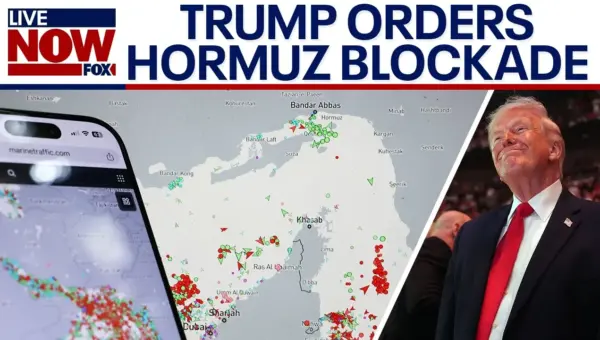
Trump Orders Hormuz Blockade After Iran Talks Fail
President Trump has ordered a U.S. Navy blockade of the Strait of Hormuz following the collapse of 21-hour U.S.-Iran ceasefire talks. The negotiations failed to resolve key issues, particularly Iran's nuclear program, leading to increased pressure on the nation. The blockade is expected to significantly impact global oil markets and international shipping.

Putin Bolsters Residence Defenses Amid Regional Shortages
President Putin is reportedly significantly enhancing air defense around his Valdai residence, adding seven new systems for a total of 27. This comes as many Russian regions complain of insufficient protection, fueling public discontent and perceptions of unequal security.