Hungary Rejects Orban’s Rule: A Democratic Uprising
Hungary has ousted Prime Minister Viktor Orban after 16 years in power, with the opposition Taisa party securing a decisive victory and potentially a supermajority. Record voter turnout signaled a strong public desire for democratic change and a pro-European future.


Hungary Rejects Orban’s Rule: A Democratic Uprising
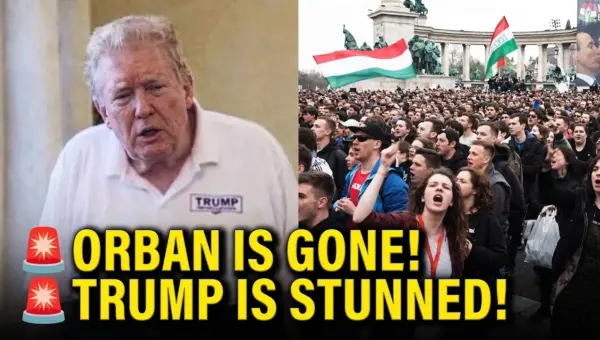
In a stunning display of popular will, Hungary has voted to end the 16-year authoritarian rule of Prime Minister Viktor Orban. Celebrations erupted across the nation as voters delivered a decisive victory to the opposition Taisa party, led by Peter Magyar. This election marks a significant turning point, signaling a strong desire for a pro-European, democratic future, free from what many saw as Orban’s increasingly autocratic grip on power.
The election saw record-breaking voter turnout, with approximately 78% of Hungarians heading to the polls. This high participation underscores the deep importance citizens placed on this vote. Peter Magyar’s Taisa party, which champions a pro-European Union stance and democratic values, ran on an anti-Putin and anti-MAGA platform. Projections indicate Taisa has not only won the election but secured a supermajority in parliament. This would grant them the power to change Hungary’s constitution, a move that could fundamentally reshape the country’s future direction.
A Mandate for Change
The projected results show Taisa leading with around 53% of the vote, a significant margin over Orban’s PhD party. While final seat counts are still being confirmed, the Taisa party is on track to achieve the two-thirds majority needed to amend the constitution. This outcome represents a clear mandate from the Hungarian people for a new direction. Orban himself has conceded the election, calling Magyar to congratulate him on the victory. This marks the end of an era for Orban, whose government has faced criticism for eroding democratic institutions and media freedom.
External Influences and Internal Resolve
The election campaign was marked by significant international attention and perceived interference. Reports suggest that figures associated with the MAGA movement in the United States, including Donald Trump and JD Vance, actively supported Orban’s campaign. Trump reportedly posted messages urging Hungarians to vote for Orban, and high-profile figures were dispatched to Hungary. Even Israeli Prime Minister Netanyahu’s son attended a MAGA event in Hungary, signaling attempts to bolster Orban’s standing. Despite these efforts, the will of the Hungarian people prevailed. The chants of “Russia go home” heard during celebrations suggest a strong desire to distance the country from Russian influence, a sentiment often at odds with Orban’s policies.
Historical Context
Viktor Orban first came to power in 1998 and returned in 2010, gradually consolidating his authority. His government implemented policies that critics argued weakened checks and balances, curtailed judicial independence, and exerted control over media outlets. This period has been characterized by a nationalist and conservative agenda, often clashing with European Union values. The rise of Peter Magyar and the Taisa party offers a stark contrast, promoting integration with the EU and a return to more liberal democratic principles. This election can be seen as a referendum on Orban’s decade-and-a-half of leadership and the direction he was steering Hungary.
Why This Matters
The outcome in Hungary has significant implications for both the nation and the broader European political landscape. A Taisa-led government is expected to realign Hungary more closely with EU policies, potentially strengthening the bloc’s unity on issues like foreign policy and democratic standards. For countries seeking to move away from authoritarian tendencies, Hungary’s election could serve as an inspiring example. It demonstrates that even entrenched leadership can be challenged and overcome through democratic processes, especially when there is a clear, unified opposition articulating a vision for a different future.
Trends and Future Outlook
This election reflects a growing trend across some parts of the world where citizens are pushing back against what they perceive as democratic backsliding. The high voter turnout and decisive result suggest a strong public appetite for accountability and a desire for leaders who align with democratic norms. The Taisa party now faces the significant task of governing and implementing its ambitious agenda. Their ability to enact constitutional changes will be closely watched. The future outlook for Hungary appears to be one of renewed engagement with European partners and a commitment to strengthening its democratic institutions. This shift could influence political dynamics within the EU and offer a model for democratic renewal in other nations.
Source: 🚨 ORBAN OUSTED IN HUNGARY (YouTube)

Related Articles

Hungary Rejects Orban’s Authoritarianism, Embraces Europe
Hungary has ousted Viktor Orban after 16 years in power, with Peter Magyar's Taisa party winning a decisive victory. The election saw record turnout and a clear rejection of Orban's authoritarian policies. This outcome signals a significant shift towards pro-European and democratic values, impacting both Hungary and the wider European Union.


Vance’s Hungary Trip Backfires as Orban Suffers Shock Defeat
Senator JD Vance's recent visit to Hungary to support Prime Minister Victor Orban backfired spectacularly when Orban suffered a shocking election defeat. This outcome highlights the risks of foreign political endorsements and sends a powerful message to far-right movements globally.


Journalist Warns: Truth Under Threat in America
Journalist Jim Acosta warns that America faces a dangerous time for truth-telling, where power can crush verifiable facts. He highlights escalating pressures on the press, from revoked credentials to death threats, and links these issues to media consolidation and the rise of self-censorship. Acosta stresses the vital role of a free and independent press in safeguarding democracy.