US Moves to Secure Strait of Hormuz Amid Iran Tensions
The United States is increasing its military presence to ensure safe passage through the Strait of Hormuz amid Iran's claims of control. This move is linked to ongoing nuclear negotiations and aims to protect vital global oil and gas routes.

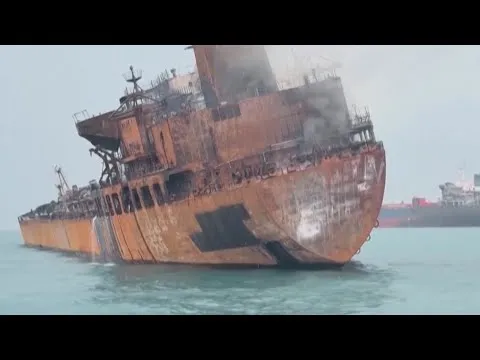
US Moves to Secure Strait of Hormuz Amid Iran Tensions
The United States is taking decisive action to ensure the free flow of shipping through the Strait of Hormuz, a vital global oil and gas route. This move comes as Iran has made claims of controlling the waterway, leading to a tense standoff. President Trump has announced plans to block the strait, a step aimed at countering Iran’s actions and asserting international maritime rights.
US Military Presence Bolstered
Retired Lieutenant General, a senior national security contributor, explained that the U.S. has a range of options available through U.S. Central Command. The presence of the USS Abraham Lincoln carrier strike group in the North Arabian Sea is a key part of this strategy. The U.S. has the capability to enforce a blockade on shipping into the strait, not to stop all traffic, but to ensure it remains open. The general emphasized that the Strait of Hormuz is international waters, and Iran’s claims of ownership are not recognized. This action by President Trump signals a firm stance to keep the strait open for global maritime trade.
Broader Geopolitical Context
This situation is closely linked to ongoing negotiations over Iran’s nuclear program. While the immediate focus is on the Strait of Hormuz, the underlying issue is Iran’s pursuit of nuclear capabilities. The U.S. has set red lines, including the continued closure of the strait by Iran and its nuclear production activities. The Iranian regime’s primary objective, according to the analysis, is survival. They have historically used delays in negotiations to buy time. The current military build-up and assertive stance by the U.S. are seen as a response to Iran’s ongoing nuclear ambitions and its actions in the Strait of Hormuz.
Escalating Military Posture
The U.S. military presence in the region is being significantly enhanced. Beyond the USS Abraham Lincoln, the USS Boxer, another U.S. readiness group, is heading to the region. This group includes around 2,500 Marines and F-35 strike fighters. They will join the USS Tripoli, a previously discussed asset. Furthermore, the USS George H.W. Bush is moving towards the Mediterranean and will soon enter the U.S. Central Command’s area of responsibility. This build-up will result in three carrier strike groups operating in the region, supported by substantial U.S. air power from the United States, Europe, and the theater itself.
Iran’s Strategy and Motivations
The Iranian regime’s long-standing objective is to survive and maintain its power. Analysts suggest that Iran has used diplomatic delays for decades to achieve this goal. By prolonging negotiations, they can continue their activities and prepare for future challenges. The current situation is viewed as a critical juncture where Iran is fighting for its survival. The U.S. is unwilling to accept Iran’s continued nuclear development and its attempts to control international waterways.
Global Impact and Future Scenarios
The Strait of Hormuz is a critical chokepoint for global oil and gas supplies. Any disruption in this waterway can have significant consequences for global energy markets, potentially leading to higher gas prices and affecting flight ticket costs. The U.S. action aims to prevent such disruptions. Future scenarios depend on Iran’s response to the increased U.S. military posture and the progress of nuclear negotiations. The situation highlights the complex interplay of military power, economic interests, and diplomatic challenges in the Middle East.
Historical Context
The Strait of Hormuz has historically been a point of contention and strategic importance. Its narrow passage makes it vulnerable to blockade and control. International law generally recognizes it as international waters, open to passage by all nations. Iran’s claims of control challenge this established order. The current events echo past periods of heightened tension in the Persian Gulf, where control of maritime routes has been a central issue in regional conflicts and international diplomacy.
Economic Leverage
Control over the Strait of Hormuz provides significant economic leverage. Approximately 20-30% of the world’s oil shipments pass through this strait daily. Any threat to this flow can impact global energy prices and the economies of nations dependent on these supplies. The U.S. military presence is partly aimed at safeguarding these economic interests and ensuring stability in global energy markets. Sanctions and trade dependencies also play a role in the broader geopolitical dynamics involving Iran.
Regional Alliances and Rivalries
The tensions surrounding the Strait of Hormuz also involve regional alliances and rivalries. The U.S. presence and actions are often viewed within the context of its relationships with key regional partners. Iran’s actions are seen by some as a challenge to the existing regional security order. The shifting power balances in the Middle East are influenced by these dynamics, with various actors seeking to secure their interests and exert influence.
Conclusion
The U.S. decision to bolster its presence and capabilities around the Strait of Hormuz represents a significant geopolitical development. It is a direct response to Iran’s assertive claims and its nuclear program. The situation underscores the critical importance of this waterway to global energy security and highlights the ongoing strategic competition in the Middle East. The coming weeks will be crucial in determining how Iran responds and whether diplomatic efforts can de-escalate the situation.
Source: ‘Nonsense’: Iran claims control of Strait of Hormuz, retired general says (YouTube)

Related Articles
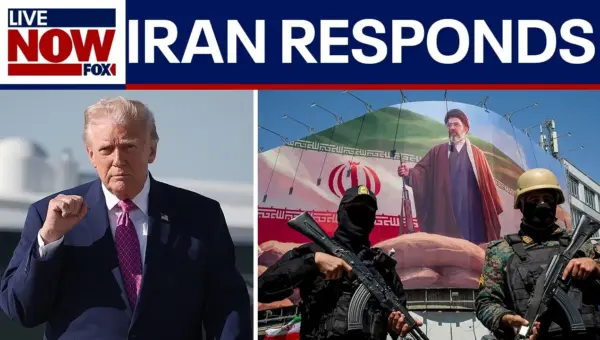
Iran Warns Trump Over Hormuz Strait Blockade Threat
Iran has issued a stern warning against any U.S. military vessels attempting to blockade the Strait of Hormuz, calling it a violation of a ceasefire. The U.S. blockade aims to cut off Iran's oil revenue, impacting both Iran and China. The situation is at a critical juncture, with potential for further escalation.
Iran Talks Collapse: US Blocks Strait, Escalates Tensions
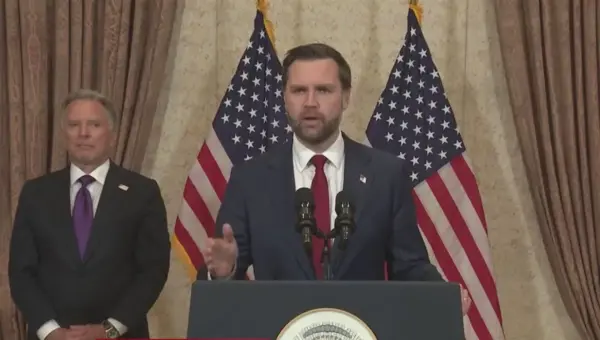
Peace talks between the U.S. and Iran have collapsed over Iran's nuclear ambitions. In response, the U.S. Navy has initiated a blockade of the Strait of Hormuz, escalating tensions and threatening global oil supplies. This move follows Iran's refusal to meet key American demands.
US Navy Blockade of Strait of Hormuz: Power Play or Empty Threat?
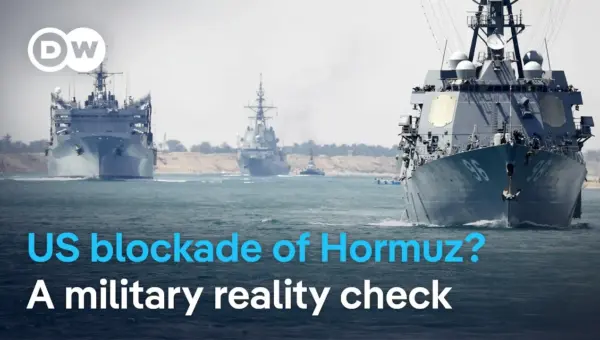
President Trump has threatened a U.S. Navy blockade of the Strait of Hormuz after failed peace talks with Iran. While the U.S. possesses significant naval power, the narrow strait presents challenges, and Iran could retaliate by threatening oil supplies. The situation is described as dangerous brinkmanship in ongoing negotiations.