US Strikes Pharma Deal With UK, Eyes Lower Drug Costs
The United States and the United Kingdom have finalized a deal to lower prescription drug prices. The agreement aims to make other countries contribute more to the costly research and development of new medicines, potentially reducing costs for American patients and insurers. This development comes as tensions rise over the Strait of Hormuz, impacting global energy markets.

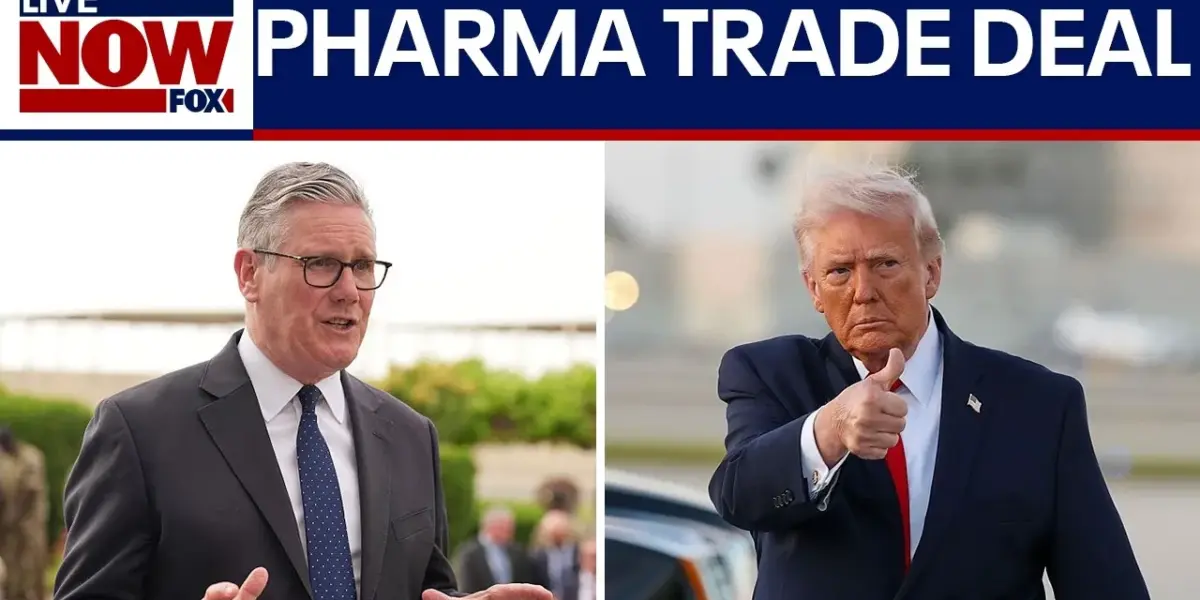
US and UK Forge Landmark Drug Pricing Agreement
The United States has reached a significant agreement with the United Kingdom aimed at lowering prescription drug prices. This deal, finalized recently after an initial agreement last fall, is part of a broader effort by the Trump administration to have other countries contribute more to the cost of developing new medicines.
Former US Deputy Trade Representative Jeffrey Garish explained that the core idea is to stop what he calls “free riding” on American innovation. For years, the US has argued that it shoulders a disproportionate amount of the research and development costs for new drugs. This new agreement with the UK aims to shift that balance.
Key Elements of the Pharmaceutical Deal
The agreement includes several key provisions designed to increase the UK’s contribution to drug development costs and, in turn, potentially lower prices for Americans.
- Increased Spending: The UK has committed to doubling its spending on innovative drugs over the next decade. This is seen as a move to counter what the US views as systematically suppressed spending on new medicines by the UK and other nations.
- Rebate Limits: The UK has agreed to limit the rebates and “clawbacks” it requires from pharmaceutical companies. These practices have historically led to artificially low drug prices within the UK.
- Drug Valuation Changes: The agreement will also alter how the UK values drugs sold within its market. The UK has used a “cost-effectiveness” mechanism that has suppressed prices. This change is expected to lead to higher payments for new and innovative drugs.
Impact on US Drug Prices and Bipartisan Support
A central goal of the deal is to reduce the financial burden on American patients and insurers. Garish stated, “By getting other countries to pay more for innovative drugs, that will ultimately result in US patients and insurers paying less for drugs here because other countries are going to bear more of the burden.” He emphasized that developing new drugs can cost billions of dollars, and international cooperation is vital.
The issue of drug pricing has garnered attention across the political spectrum. Notably, Mark Cuban, a vocal critic of the Trump administration in the past, has praised some of the efforts to lower prescription drug costs. This bipartisan appeal makes it a potentially winning issue for President Trump, especially heading into elections. Garish noted, “This very much is a bipartisan issue and something that voters across the country will want to get behind.” He highlighted that drug affordability is a major concern for many Americans, regardless of their insurance status.
Broader Context: Strait of Hormuz Blockade
The pharmaceutical deal was discussed alongside another significant development: President Trump’s order for a blockade of the Strait of Hormuz. This move is related to escalating tensions with Iran and has created uncertainty around global oil and gas prices.
Garish explained the potential economic consequences of the Hormuz blockade. If the US cuts off all ship traffic, it could put significant pressure on Iran by limiting its access to essential supplies and cutting off income from oil sales. This action is seen as a strategy to pressure Iran regarding its nuclear weapons program.
The situation in the Strait of Hormuz has already impacted energy prices, with Americans facing high gas costs. While oil prices had seen some decrease following a ceasefire announcement, the breakdown in talks and the blockade order could lead to a rebound in prices. Garish cautioned that prolonged conflict could have significant economic effects both in the US and globally.
Looking Ahead
The pharmaceutical agreement with the UK represents a concrete step towards addressing drug affordability. The administration hopes this will encourage other nations to adopt similar approaches. Meanwhile, the situation in the Strait of Hormuz remains a critical geopolitical issue with the potential to influence global energy markets. Continued diplomatic efforts and the response from Iran will be key factors to watch in the coming weeks and months.
Source: UK reaches pharma deal with United States (YouTube)

Related Articles
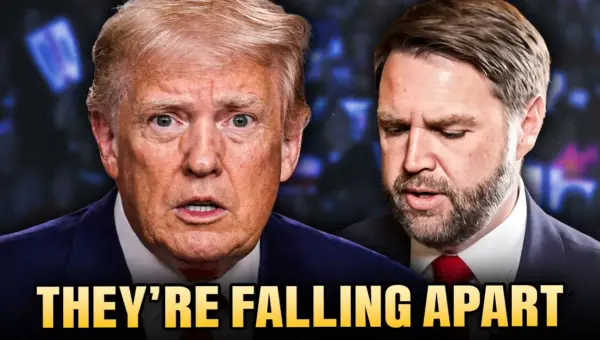
Trump’s Team Flees: A Calculated Exit Strategy
Several members of Donald Trump's inner circle are reportedly scrambling to find exits from the administration to avoid public firing. This strategic departure is seen as crucial for those hoping to pursue future political careers, as association with a deeply unpopular administration can be career-damaging.

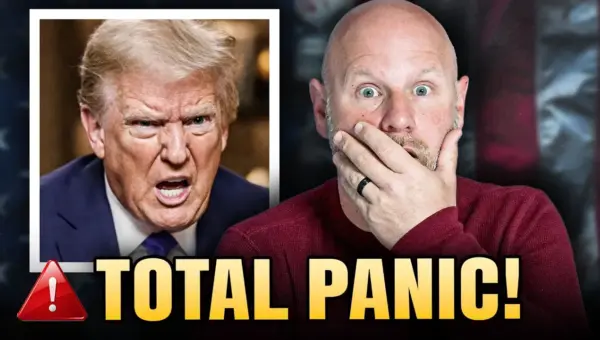
Trump Team Scrambles to Shield President From Bad News
President Trump's team is reportedly working to find positive media coverage to soothe his ego amid criticism of his Iran dealings. This effort involves enlisting MAGA influencers and right-wing media, raising questions about political messaging and transparency.

Draft Registration Sparking Fears of War
A new law automatically registers men aged 18-25 for the military draft, sparking fears of a return to conscription. This change, coupled with rising global tensions and aggressive presidential rhetoric, raises questions about public willingness to engage in future conflicts and the government's use of citizen data.