US-Iran Peace Talks Collapse Over Nuclear Standoff
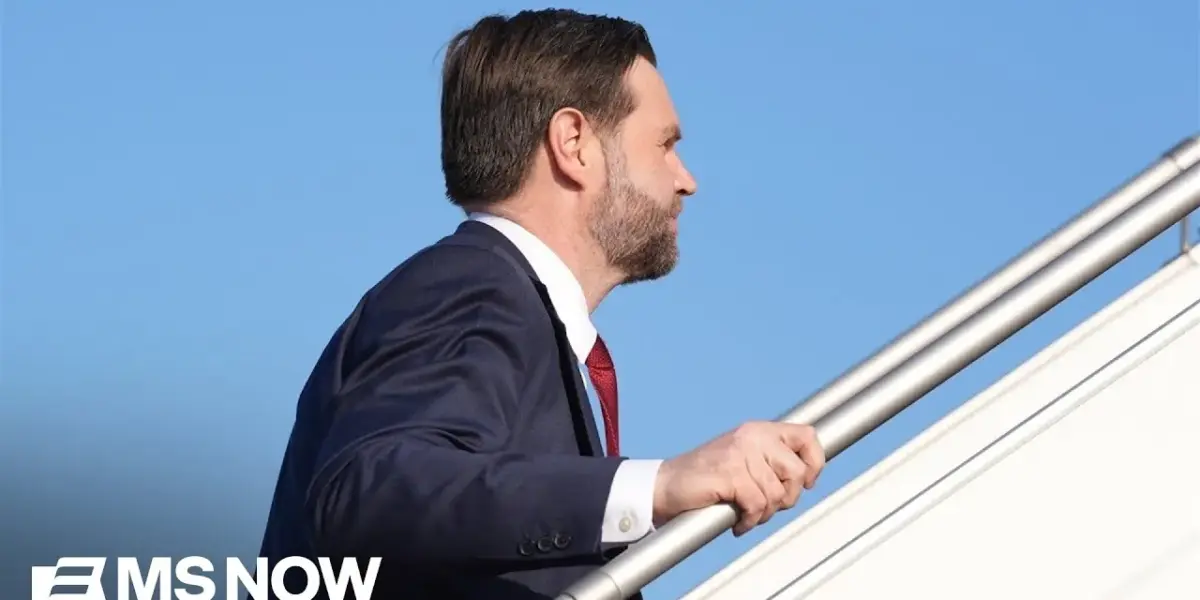
High-level peace talks between the United States and Iran have failed to secure an agreement, primarily due to Iran's refusal to commit to abandoning nuclear weapons. Vice President J.D. Vance called the discussions substantive but ultimately unsuccessful, stating the U.S. presented a final offer. Following the collapse, President Trump announced an immediate U.S. Navy blockade of the Strait of Hormuz.

US-Iran Peace Talks Collapse Over Nuclear Standoff
High-stakes peace talks between the United States and Iran, aimed at ending a long-standing conflict, have failed to produce an agreement. The negotiations, which took place in Islamabad, Pakistan, ended without a deal after marathon sessions. Vice President J.D. Vance, leading the U.S. delegation, described the discussions as substantive but ultimately fruitless.
Disappointment in Islamabad
The talks, held at the luxurious Serena Hotel, were a significant diplomatic effort. Pakistan hosted the event, hoping to become a hub for peace. Signs and branded coffee celebrated the “Islamabad Talks.” However, the optimism quickly faded. Reports indicate that the promotional signs were taken down just hours after the talks concluded, signaling the lack of progress. Pakistan’s government is reportedly very disappointed by the outcome.
Nuclear Weapons A Key Sticking Point
Vice President Vance stated that the U.S. presented a final offer to Iran. The main obstacle, Vance explained, was Iran’s refusal to provide an “affirmative commitment” that it would not pursue nuclear weapons. “The bad news is that we’ve not reached an agreement,” Vance told reporters after 21 hours of discussions. He added, “We leave here with a very simple proposal, a method of understanding that is our final and best offer.” The U.S. delegation, which included Steve Kushner, Steve Whitcoff, and Jared Kushner, departed Pakistan shortly after the announcement.
Iran Cites “Excessive Demands”
Iran’s foreign ministry spokesman offered a different perspective. He suggested that expecting an agreement in the very first round of negotiations was unrealistic. The spokesman also indicated that the U.S. should avoid making “excessive demands.” This exchange highlights the deep divide between the two nations on the core issues.
Ceasefire and Naval Blockade
The collapse of the talks comes as a two-week ceasefire, announced by President Trump, is nearing its halfway point. The future of this ceasefire and any potential next steps in the peace process remain uncertain. In a significant development, the U.S. Central Command announced that two warships had entered the Persian Gulf through the Strait of Hormuz. Their mission is to clear mines that Iran had reportedly placed to deter shipping. This naval action follows a statement from President Trump declaring a blockade of the Strait of Hormuz.
Trump Orders Hormuz Blockade
President Trump issued a strong statement following the failed talks. “Effective immediately, the United States Navy, the finest in the world, will begin the process of blockading any and all ships trying to enter or leave the Strait of Hormuz,” he declared. Trump also instructed the Navy to intercept vessels in international waters that have paid a toll to Iran. “No one who pays an illegal toll will have safe passage on the high seas,” his statement read. This move dramatically escalates tensions in the region.
Conflicting Stances on Tolls
The blockade order appears to contradict a previous statement by President Trump. Just days earlier, when Iran suggested imposing tolls on ships passing through the Strait of Hormuz, Trump reportedly suggested a joint venture with Iran to collect these fees. This proposal was criticized as potentially illegal under international law. Now, ships that have paid any such tolls face serious repercussions from the U.S. Navy, creating confusion and increased risk for maritime traffic.
What’s Next?
With the peace talks stalled and a naval blockade in effect, the situation in the Strait of Hormuz is highly volatile. The U.S. has presented its final offer, but Iran’s response remains unclear. The coming days will be critical in determining whether diplomatic channels can be reopened or if the conflict will escalate further. The world watches to see if a path to de-escalation can be found amidst these mounting tensions.
Source: U.S. and Iran fail to reach agreement in peace talks (YouTube)

Related Articles


Iran’s Strait of Hormuz Blockade Shifts Global Oil Power
Iran's control over the Strait of Hormuz, a vital global oil route, is shifting economic power dynamics. As former President Trump declared a U.S. naval blockade, experts highlight Iran's effective use of this physical choke point, challenging U.S. financial leverage and potentially forcing negotiations under duress.

US Tightens Grip, Eyes Regime Change in Iran
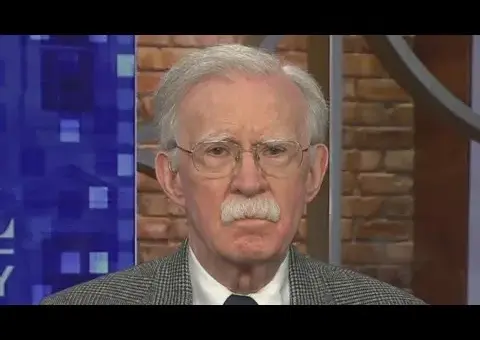
John Bolton argues that the recent ceasefire with Iran was a mistake and advocates for a renewed military strategy. His proposal includes reopening the Strait of Hormuz and maintaining a blockade on Iranian oil to pressure the regime, with the ultimate goal of regime change.

Beirut Reels From Attacks Amidst Fragile Peace Talks
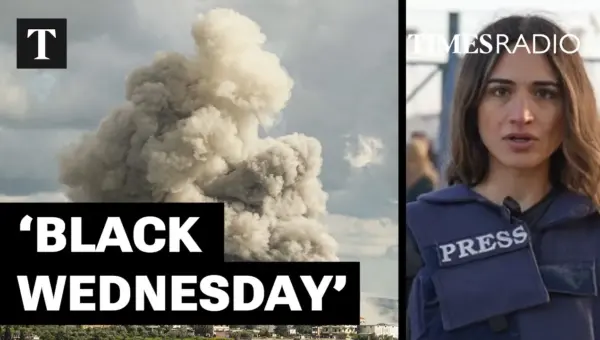
Beirut is in shock after devastating Israeli attacks killed over 350 people in a single day, marking the city's deadliest event in decades. Amidst widespread grief and a call for a ceasefire, Lebanon is preparing for unprecedented direct talks with Israel, a move met with mixed reactions and internal protests.