Vance’s Failed Diplomacy Could Doom His Political Future
Senator JD Vance's recent diplomatic mission in Pakistan ended in failure, raising questions about his political future. The situation highlights complex geopolitical tensions, potential strategic missteps by Donald Trump, and significant economic implications for global energy markets.

Vance’s Failed Diplomacy Could Doom His Political Future
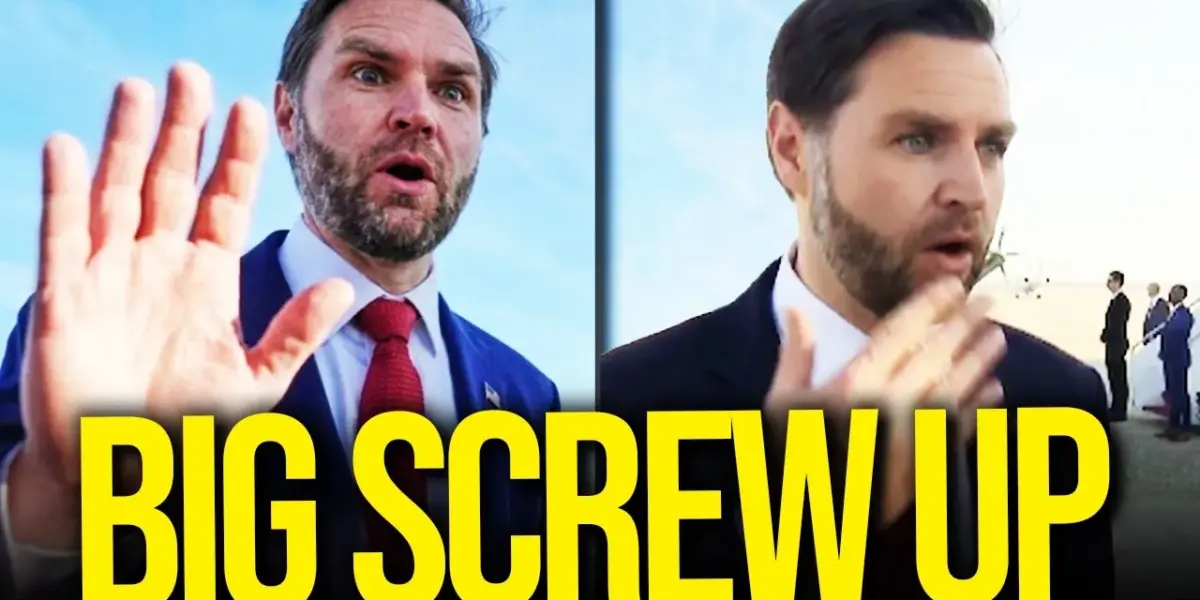
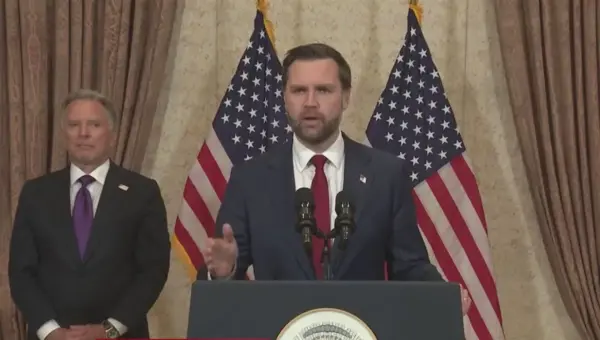
Senator JD Vance recently faced a high-stakes diplomatic challenge in Islamabad, Pakistan, attempting to mediate negotiations between Iran and other parties. After 21 hours of talks, Vance emerged with little to show, admitting that no concessions were made and that he was returning home empty-handed. This outcome has raised serious questions about Vance’s political future and the strategy behind his involvement.
A No-Win Situation?
The situation Vance was placed in is described as a no-win scenario. He was tasked with negotiations where any deal reached might be seen as coming from a position of weakness, potentially appeasing Iran too much or, conversely, failing entirely and reigniting conflict. The latter appears to be the current reality, with Vance potentially facing blame for the ongoing issues, now dubbed the “failed Pakistan Accords.”
Adding to the complexity, Vance reportedly made over a dozen calls to Donald Trump during the 21-hour negotiation period. This suggests Vance lacked the full authority to make decisions independently, instead needing to consult with Trump. In high-pressure negotiations, this reliance on external approval can signal weakness, especially when compared to the Iranian negotiator, who apparently had the authority to make final decisions.
Trump’s Strategy and Vance’s Role
The decision to send Vance to lead these critical talks while Donald Trump attended a UFC match with Marco Rubio has led to speculation about Trump’s motives. Some believe Trump deliberately put Vance in a difficult position, possibly to weaken him politically or to elevate Rubio as a potential alternative for future elections. This move could be seen as a strategic punishment, especially if Trump felt Vance was not sufficiently supportive of his foreign policy stances.
The transcript suggests a pattern of Trump potentially sidelining Vance. Appointing him as the “corruption czar” of an administration often criticized for corruption is seen as a move that could haunt Vance in future campaigns. Furthermore, Vance’s perceived lack of charisma and his past criticisms of Trump before aligning with him are noted as potential liabilities.
Broader Geopolitical and Economic Impacts
The failure of these negotiations has wider implications, particularly concerning the Strait of Hormuz. Following the talks, Trump announced a potential naval blockade of the strait, a move that has drawn widespread criticism. This action highlights Iran’s perceived leverage over global energy markets and has already contributed to rising gas prices and an energy crisis in some parts of the world.
The situation is exacerbated by potential geopolitical maneuvering between major powers. Reports suggest China is supplying Iran with missiles, a move seen as a strategic play to weaken the U.S. by drawing it into prolonged conflicts. This dynamic risks escalating tensions and further destabilizing the region, with potential consequences for global trade and security.
The Cost to American Consumers and Global Stability
The economic fallout from the tensions surrounding the Strait of Hormuz is significant. Rising diesel and fertilizer prices could harm American farmers, while global energy shortages impact everyday life, from cooking in India to driving in the U.S. The transcript argues that the billions spent on these conflicts and potential military actions could be better used for domestic needs, such as healthcare or debt reduction.
The analysis suggests that the current approach has not achieved its stated goals, such as regime change in Iran. Instead, it has exposed perceived weaknesses in American leadership and potentially alienated allies. The world order, while imperfect, may have provided more stability than the current trajectory, which some fear could lead to increased global insecurity and a diminished role for the United States.
Why This Matters
The events surrounding JD Vance’s diplomatic mission and the subsequent geopolitical reactions underscore the complex interplay of domestic politics, international relations, and economic stability. Vance’s performance, whether by design or circumstance, has placed his political career at a critical juncture. The broader implications of the Strait of Hormuz dispute, including potential conflict and economic disruption, affect global markets and everyday citizens.
Furthermore, the discussion raises questions about leadership, strategy, and accountability in foreign policy. The perception of weakness or miscalculation on the international stage can have far-reaching consequences, impacting national security, economic well-being, and the United States’ standing in the world. The long-term effects of these decisions will likely shape future diplomatic efforts and political landscapes for years to come.
Historical Context
The current situation echoes historical patterns of international negotiation and conflict. The reliance on mediators, the struggle for leverage between nations, and the potential for diplomatic failures to escalate into broader crises are recurring themes in global affairs. The specific context of U.S.-Iran relations, marked by decades of tension and complex negotiations, adds another layer to understanding the current events. The reference to past agreements, like the Obama-era Iran deal, highlights the cyclical nature of these diplomatic efforts and the differing perspectives on their success and failure.
Future Outlook
The future outlook for JD Vance’s political career appears uncertain, heavily tied to the fallout from these negotiations and his association with Donald Trump. The potential for Trump to shift endorsements or for Vance to be blamed for failures could significantly impact his ambitions. On a geopolitical level, the ongoing tensions surrounding the Strait of Hormuz and Iran’s nuclear program suggest a period of continued uncertainty and potential escalation.
The broader trend of global instability, coupled with domestic political strategies that may prioritize short-term gains over long-term stability, presents a challenging environment. The effectiveness of American foreign policy and its impact on both domestic prosperity and international relations will likely remain a central focus in the coming years.
Source: JD Vance Crashes His Career in One Moment (YouTube)

Related Articles


Iran Deal Fallout: Trump’s Claims Clash With Reality
President Trump claimed Iran had no leverage, but the difficulty in reaching a deal suggests otherwise. Critics argue this approach weakened the U.S., allowing Iran to gain influence via the Strait of Hormuz. This highlights the ongoing debate between military might and diplomatic strategy in foreign policy.
Iran Warns Trump Over Hormuz Strait Blockade Threat
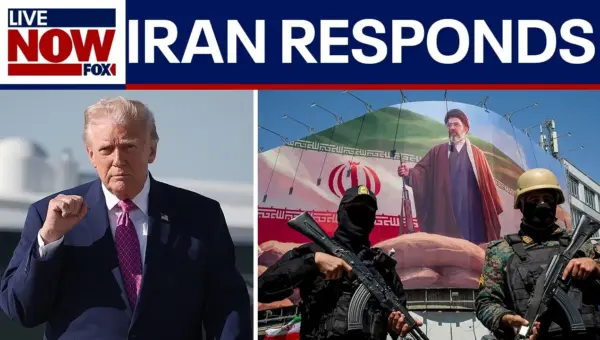
Iran has issued a stern warning against any U.S. military vessels attempting to blockade the Strait of Hormuz, calling it a violation of a ceasefire. The U.S. blockade aims to cut off Iran's oil revenue, impacting both Iran and China. The situation is at a critical juncture, with potential for further escalation.
Iran Talks Collapse: US Blocks Strait, Escalates Tensions
Peace talks between the U.S. and Iran have collapsed over Iran's nuclear ambitions. In response, the U.S. Navy has initiated a blockade of the Strait of Hormuz, escalating tensions and threatening global oil supplies. This move follows Iran's refusal to meet key American demands.