US Navy Blockades Strait of Hormuz After Talks Collapse
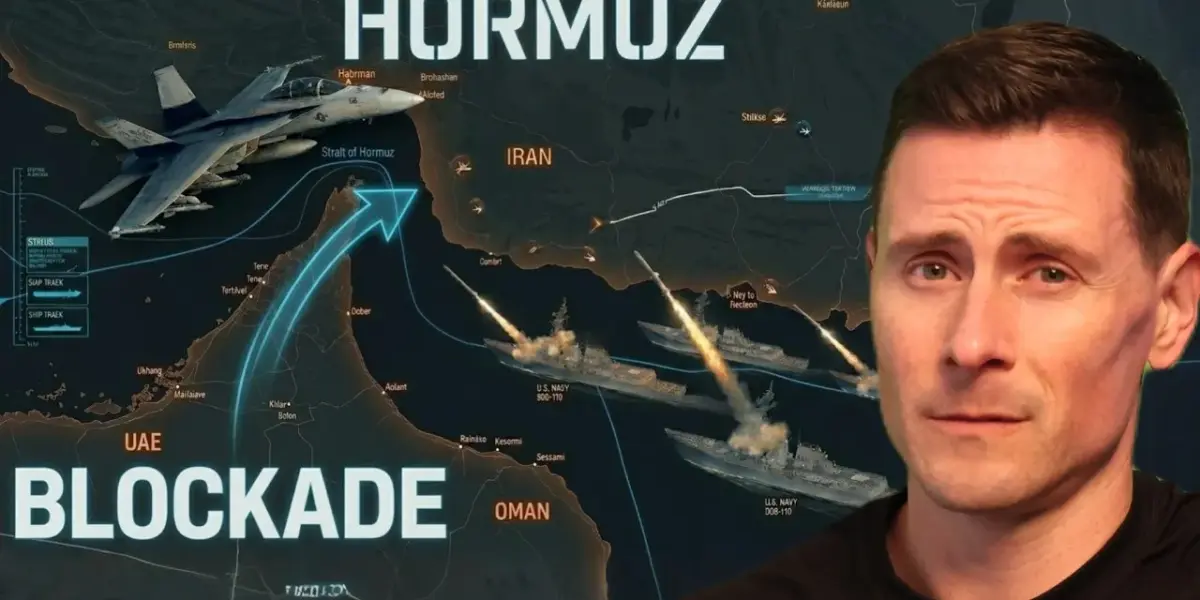
The U.S. Navy has launched a naval blockade of the Strait of Hormuz after critical ceasefire talks with Iran collapsed. This move follows accusations of Iranian "extortion" through alleged mine-laying and toll collection in the vital shipping lane. The operation aims to ensure global energy flow and challenge Iran's control over the waterway.

US Navy Blockades Strait of Hormuz After Talks Collapse
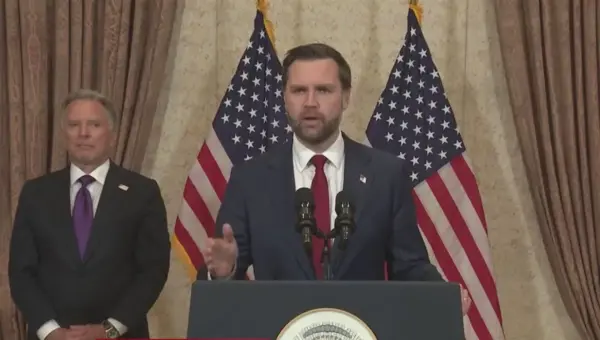
Effective immediately, the United States Navy has initiated a naval blockade of the Strait of Hormuz, a critical global shipping lane. This action follows the complete collapse of high-stakes ceasefire talks in Islamabad between Iran and international parties. The negotiations, which lasted 21 hours, failed to yield an agreement, with Vice President JD Vance stating that Iran had chosen not to accept the proposed terms.
Blockade Aims to Counter Iranian “Extortion”
President Trump announced the blockade via social media, citing Iran’s failure to uphold promises to keep the Strait of Hormuz open. He accused Iran of using threats of mines to extort other nations, causing global anxiety and economic disruption. “This is world extortion,” President Trump stated, emphasizing that the United States would not be subjected to such tactics. The U.S. Navy has been instructed to interdict vessels that have paid tolls to Iran, declaring that such ships will not have safe passage.
The blockade also includes operations to clear mines reportedly laid by Iran in the Strait. President Trump warned that any Iranian forces firing on U.S. warships or peaceful vessels would face severe retaliation. He asserted that Iran’s military capabilities, including its navy and air defenses, have been significantly degraded due to its pursuit of nuclear ambitions, and that its leaders are aware of how to de-escalate the situation.
Strategic Importance of the Strait of Hormuz
The Strait of Hormuz is a vital chokepoint, a narrow waterway only 21 miles wide, through which a significant portion of the world’s oil passes. Iran has strategically positioned traffic near its coastline, allegedly to collect tolls and target ships. The U.S. Navy’s operation aims to reassert control over this waterway, ensuring the flow of global energy supplies. The presence of U.S. destroyers, including the USS Frank E. Peterson and USS Michael Murphy, signifies the immediate implementation of these measures. These Arleigh Burke-class guided missile destroyers are equipped with advanced Aegis radar systems, capable of tracking and engaging multiple threats simultaneously.
Aegis System: The “Maestro” of Naval Defense
The Aegis Combat System acts as a central command and control network for naval assets. It integrates data from various sensors and platforms, including fighter jets and surveillance aircraft, to create a unified operational picture. This system allows different warships to share radar information and coordinate defensive actions, enhancing their ability to respond to complex threats like incoming drones or missiles. Its ability to manage simultaneous engagements while the ships are underway at high speeds is a key technological advantage for the U.S. Navy.
Mine-Clearing Operations and Future Implications
The U.S. Navy’s mine-clearing operations are being supported by specialized assets. MH-53E Sea Dragon helicopters, the Navy’s dedicated airborne mine countermeasures platforms, are towing sweeping gear and using sonar to locate and neutralize mines. P-8 Poseidon maritime patrol aircraft provide aerial surveillance, detecting subsurface threats over large distances. These operations directly challenge Iran’s efforts to disrupt commercial shipping and control maritime traffic. The U.S. action is seen as a strategic move to counter Iran’s “mafia-style tactics” of extortion and re-establish freedom of navigation.
Iranian Defiance and Geopolitical Fallout
Iranian officials have responded with defiance, blaming the collapse of the talks on what they term unreasonable U.S. demands regarding Iran’s nuclear program and regional influence. They maintain their positions on sanctions relief and control of the Strait of Hormuz are non-negotiable. Despite having its military significantly weakened, Iran has issued threats against U.S. warships. The situation raises the risk of direct naval clashes but aims to protect tanker traffic for U.S. allies and disrupt Iran’s ability to profit from its control of the Strait.
Broader Strategic Context and Historical Parallels
The U.S. strategy appears to be a deliberate and capable application of naval power, drawing parallels to past actions like the naval blockade of Venezuela, which contributed to the weakening of the regime there. The control of the Strait of Hormuz is seen by analysts as potentially determining the fate of the current Iranian regime. The U.S. move also coincides with increased investment in domestic uranium enrichment, aiming for energy independence, a development that could have long-term geopolitical implications.
Key Takeaways
- A U.S. naval blockade of the Strait of Hormuz has been initiated following failed ceasefire talks with Iran.
- The blockade aims to counter Iranian alleged extortion tactics and ensure the flow of global energy.
- U.S. Navy destroyers are conducting mine-clearing operations, supported by specialized aircraft and helicopters.
- Iran has responded with defiance, maintaining its positions on regional control and its nuclear program.
- The situation heightens the risk of direct naval confrontation in a critical global waterway.
Source: Trump Just Announced MASSIVE Naval Blockade of Strait of Hormuz (YouTube)

Related Articles

Iran Warns Trump Over Hormuz Strait Blockade Threat
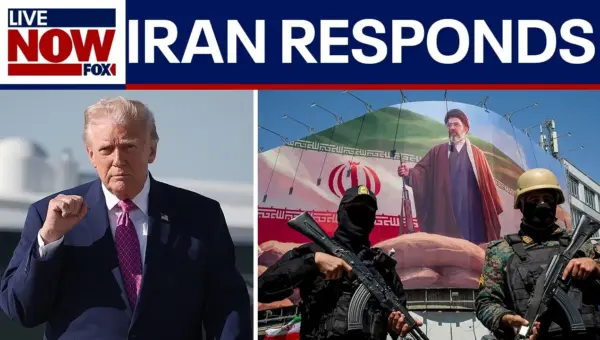
Iran has issued a stern warning against any U.S. military vessels attempting to blockade the Strait of Hormuz, calling it a violation of a ceasefire. The U.S. blockade aims to cut off Iran's oil revenue, impacting both Iran and China. The situation is at a critical juncture, with potential for further escalation.

Iran Talks Collapse: US Blocks Strait, Escalates Tensions
Peace talks between the U.S. and Iran have collapsed over Iran's nuclear ambitions. In response, the U.S. Navy has initiated a blockade of the Strait of Hormuz, escalating tensions and threatening global oil supplies. This move follows Iran's refusal to meet key American demands.

US Navy Blockade of Strait of Hormuz: Power Play or Empty Threat?
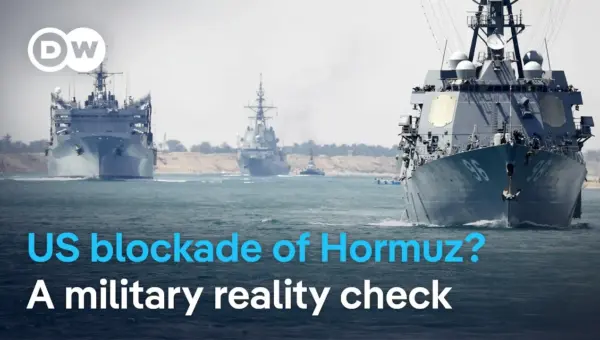
President Trump has threatened a U.S. Navy blockade of the Strait of Hormuz after failed peace talks with Iran. While the U.S. possesses significant naval power, the narrow strait presents challenges, and Iran could retaliate by threatening oil supplies. The situation is described as dangerous brinkmanship in ongoing negotiations.