Kodak Stock Soars 100% As Film Brand Stages Comeback
Kodak's stock has surged 100% in the past year, signaling a potential turnaround for the historic film company. CEO Jim Continenza is focusing on film demand from Hollywood and strengthening the company's financial base by reducing debt.

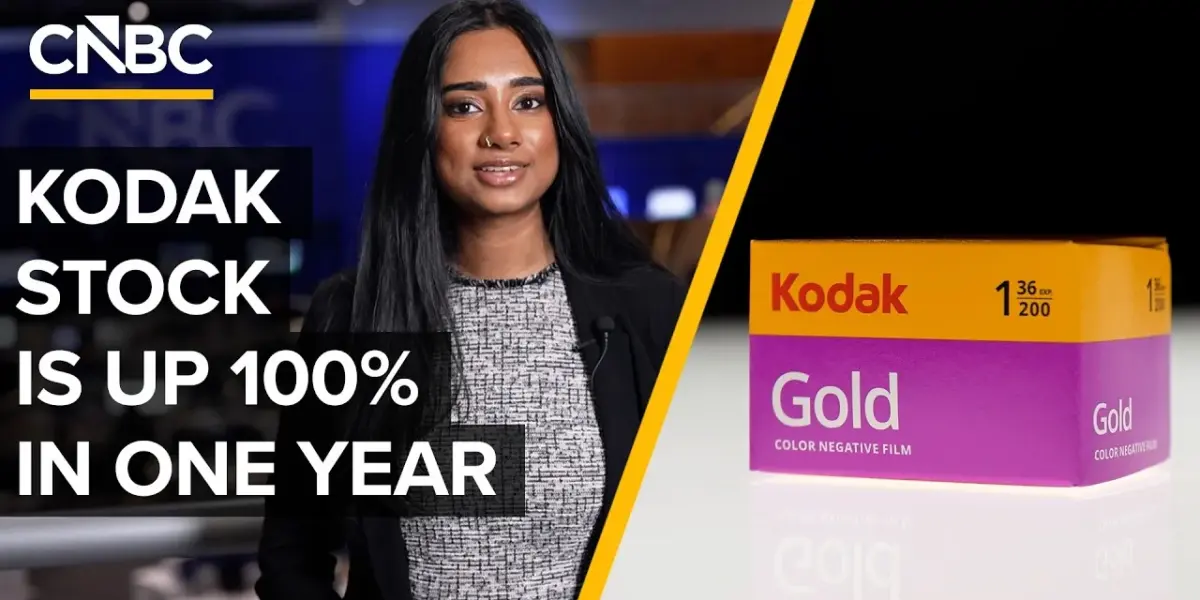
Kodak’s Surprising Resurgence: Film Brand Eyes Turnaround
Once written off by Wall Street after its bankruptcy filing over a decade ago, Eastman Kodak Company is now signaling a significant turnaround. The iconic film and photography giant, which has been around for over 130 years, is experiencing a revival fueled by a mix of nostalgia and new consumer interest. CEO Jim Continenza, a self-described turnaround specialist, believes his team’s deep experience is key to the company’s renewed focus.
“Hope is not a plan, but having the skillset is,” Continenza stated. His leadership team boasts nearly 30 years of collective experience, and Continenza himself has served on over 30 company boards. “This is what we do. We turn around companies,” he emphasized, highlighting a strategic approach over wishful thinking.
Hollywood’s Enduring Love for Film
A major driver of Kodak’s comeback is the continued demand for film in Hollywood. Director Christopher Nolan famously called Continenza in 2019 to ensure the survival of Kodak’s acetate factory. This factory produces a crucial ingredient for making film. Since then, Hollywood’s reliance on Kodak film has remained strong.
Several Oscar-winning films this past year, including titles like “One Battle After Another” and “Sinners,” were shot using Kodak film. This demonstrates the enduring artistic preference for film’s unique aesthetic, even in an increasingly digital world. This sustained support from the film industry provides a stable, albeit niche, market for Kodak’s core products.
From Wall Street Lows to a 100% Stock Gain
Kodak’s financial journey has been a roller coaster. In 2014, the company’s stock reached a high of over $35 per share. However, its value plummeted in the following years, hitting a low of just $1.55 per share in March 2020, at the start of the pandemic. Despite a brief boost from a government contract, the stock remained under pressure.
Recently, however, the tide appears to be turning. Over the past year, Kodak’s stock price has surged by approximately 100%. While Kodak is a smaller player on Wall Street, valued at around $1 billion and not heavily covered by many analysts, its strong brand recognition and long history are significant assets.
“The stock’s not supposed to spike, it’s supposed to crawl because that’s how we grow. And that’s what I want to see our stock do,” Continenza said, expressing a desire for steady, sustainable growth rather than volatile jumps.
Strategic Shifts and Financial Fortitude
CEO Continenza has implemented deliberate changes to strengthen the company’s financial foundation. The focus has shifted to print, advanced materials, and chemicals as primary business areas. He has successfully refinanced the company’s debt three times, paying down more than $400 million. This strategic financial management has significantly improved the company’s balance sheet.
Furthermore, 90% of Kodak’s leadership team has been replaced since Continenza took charge in 2020. This infusion of new perspectives and experienced management is crucial for executing the turnaround plan. “We’ve knocked down three huge tranches of debt since we’ve been here,” Continenza noted. “We were over $1 billion in debt when I got here and now we have as much cash as we have debt.” This significant reduction in liabilities and increase in cash reserves positions Kodak for greater financial stability.
What Investors Should Know
Kodak’s turnaround story highlights the potential for established brands to reinvent themselves. The company’s strategy emphasizes core strengths like film production for specific industries while diversifying into materials and chemicals. The significant reduction in debt and improved cash position are positive signs for financial health.
However, investors should note that Kodak remains a relatively small company. Its stock performance, while impressive recently, should be viewed in the context of its overall market capitalization and analyst coverage. The long-term success will depend on continued innovation, market demand for its products, and sustained financial discipline. Continenza believes that improving the company’s finances and establishing a clear succession plan for leadership will signify a job well done.
Source: How Kodak’s CEO Plans To Keep The Business Alive After Over 100 Years (YouTube)

Related Articles
Markets shrug off Iran tensions, focus on growth
Markets are showing resilience, looking past geopolitical tensions with Iran to focus on economic growth. Analysts remain optimistic about growth prospects despite some skepticism on high-end forecasts. Key inflation and interest rate data are closely watched.

Stocks Rebound as Inflation Cools, Economy Shows Strength
Stocks are showing renewed strength as core inflation remains stable at 2.6% and the U.S. economy demonstrates robust growth. Despite geopolitical tensions impacting oil prices, the market is adapting, supported by strong corporate earnings forecasts.
Iran Tensions Send Oil Soaring, Stocks Mixed
Oil prices have surged amid escalating tensions around the Strait of Hormuz, a vital shipping route for global oil. Meanwhile, stock markets displayed mixed reactions, influenced by inflation data and geopolitical uncertainty. The situation underscores the close link between global events and energy security.