Ukraine Strikes Russian Energy Assets: A New War Tactic
Ukraine is escalating its attacks on Russian energy infrastructure, employing "kinetic sanctions" to pressure Moscow. This strategy aims to cripple Russia's war funding amid stalled peace talks and concerns over allied support.

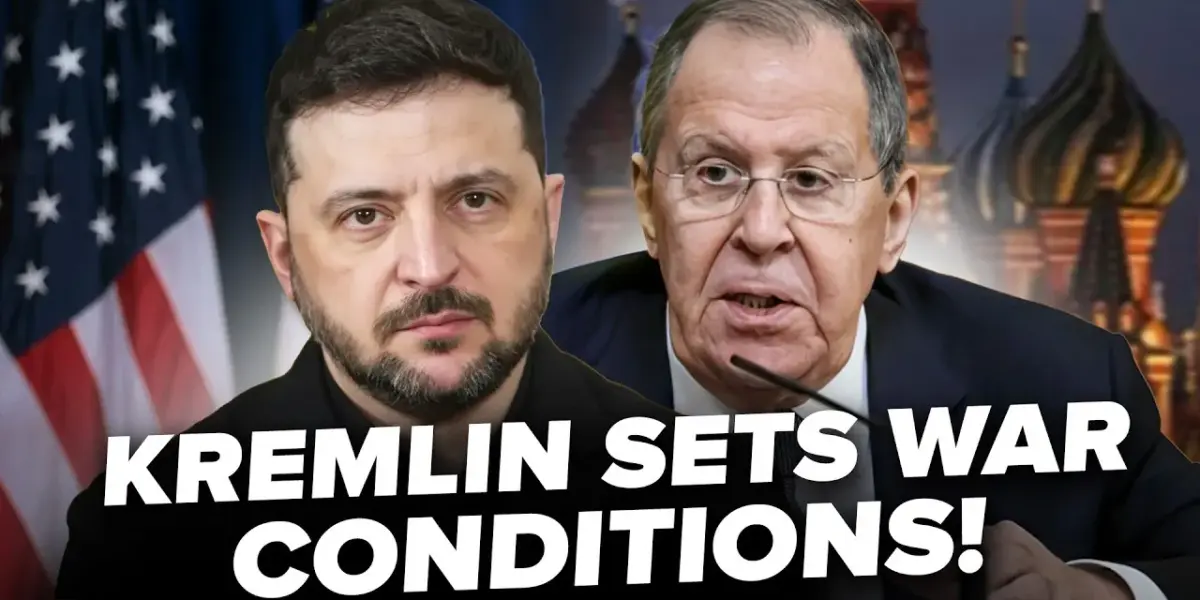
Ukraine Escalates Attacks on Russian Energy Infrastructure
Kyiv has intensified its strikes on Russia’s oil and gas export facilities, a strategy aimed at pressuring Moscow to end the war. This campaign, described as “kinetic sanctions,” seeks to cripple Russia’s ability to fund its military operations. The effectiveness of Western economic sanctions has been limited, leading Ukraine to pursue its own economic warfare.
Strategic Shift: Targeting Russia’s Finances
These attacks are viewed as Ukraine’s primary tool to force Russia into accepting peace terms. By targeting energy infrastructure, Ukraine aims to exacerbate existing problems within the Russian economy. Reports suggest even front-line troops are experiencing supply shortages, partly due to these strikes. Ukraine is exploiting perceived weaknesses in Russia’s air defense systems to carry out these assaults.
“Ukraine is in a way doing what the sanctions should have been doing… Ukraine is now imposing so to say itself its so-called kinetic sanctions against Russia.”
The Dilemma for Allies
While these strikes offer a potent weapon for Ukraine, some of its Western allies have expressed concern. Rising global energy prices have led to signals about potentially scaling back long-range strikes on Russian soil. This raises a difficult choice: stabilize energy markets or allow Russia to continue financing the war. A potential solution could involve a mutual agreement between Russia and Ukraine to cease attacks on each other’s energy infrastructure. Alternatively, Western nations could increase other sanctions on Russia if Ukraine reduces its strikes, thereby limiting Russia’s ability to convert energy income into war support.
Russia’s Demands and Negotiation Stalemate
Recent statements from the Kremlin indicate Russia is seeking a comprehensive victory rather than a temporary ceasefire. Russia’s demands include territorial gains and further limitations on Ukrainian sovereignty. Ukraine has made significant concessions, including agreeing to freeze the current front lines and downplaying its NATO membership aspirations for now. However, Russia remains unsatisfied, seeking more territory and control.
US Role in Negotiations
Despite ongoing contact, prospects for serious peace talks appear dim. A potential visit by a US delegation to Kyiv is unlikely to break the deadlock unless Washington significantly pressures Russia to agree to a ceasefire without further Ukrainian concessions. Expert analysis suggests that current negotiations may be more for show, partly driven by political interests rather than a genuine pursuit of peace. The US policy towards Ukraine remains complex, influenced by domestic politics and upcoming elections.
Russian Military Capabilities and Rhetoric
Recent Russian rhetoric about capturing all of Donbas within two months is widely dismissed as “ridiculous.” Russia has been attempting to control the Donbas region since 2014 without success, incurring significant human and material losses. This deadline is seen as a calculated manipulation, potentially aimed at influencing Western decision-makers who may lack a full understanding of the battlefield situation. Ukraine is unlikely to cede territory that Russia has failed to capture militarily.
Broader Geopolitical Concerns
Concerns linger about Russia’s broader intentions, particularly regarding the Baltic states and Eastern Europe. While a direct military escalation in the Baltics is considered unlikely during the current conflict, the risk could increase once the war in Ukraine concludes. The militarization of Russian society and its economy suggests a continued propensity for conflict. The Ukrainian conflict, paradoxically, may be serving to divert Russian resources away from potential aggression elsewhere in Europe, a sentiment echoed by some European voices.
Ukraine’s Growing Role Abroad
Beyond its own defense, Ukraine’s drone technology and battlefield experience are gaining traction internationally, particularly in the Middle East. Transactional relationships are emerging where Ukraine offers expertise, such as defending against drone attacks, in exchange for income. This experience could position Ukraine as a significant security provider within Europe, especially for Eastern European nations on NATO’s eastern flank, and potentially for regions like Taiwan. However, its involvement in the Middle East is seen as primarily transactional rather than a broader alliance.
Source: 😱Kremlin urgently appealed to Kyiv! Zelensky responded to ultimatum. Lavrov lashed out at US (YouTube)

Related Articles

Ukraine Offers Combat Expertise in Middle East War
Ukraine is leveraging its extensive combat experience to offer air defense expertise and drone technology to nations involved in the Middle East conflict. This move aims to forge new alliances, secure economic benefits, and bolster its global standing, despite facing rejections and internal challenges.

Trump Blocks Iran’s Oil, Bombers Ready for War
Negotiations between the US and Iran have collapsed, leading President Trump to announce a blockade of the Strait of Hormuz. The US Navy is preparing for potential strikes, with bombers loaded and on high alert.
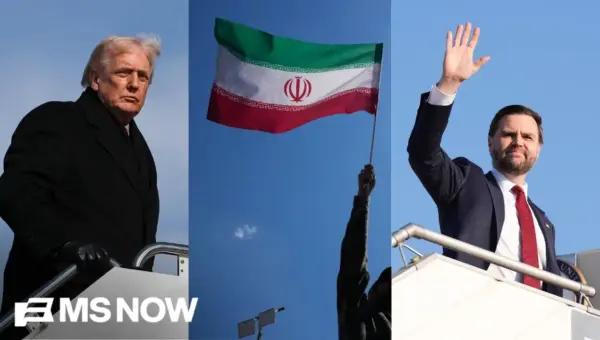
Trump’s Iran War Rattles Global Economy, Allies Question U.S. Leadership
U.S.-Iran peace talks have failed, leading to global economic uncertainty. Former Canadian Deputy PM Chrystia Freeland warns of a "permanent hit to global living standards" due to a "triple whammy" of inflation and reduced growth. Allies are questioning U.S. leadership amid perceived recklessness and a growing divide with the Global South.