Trump Threatens Hormuz Blockade Amid Nuclear Talks Failure
President Trump has ordered an immediate U.S. naval blockade of the Strait of Hormuz following the failure of nuclear talks with Iran. Key disagreements over uranium enrichment and frozen assets, coupled with the ongoing conflict in Lebanon, have stalled diplomatic progress. Congressman Gregory Meeks criticized the move as "nonsensical" and called for renewed diplomatic efforts.

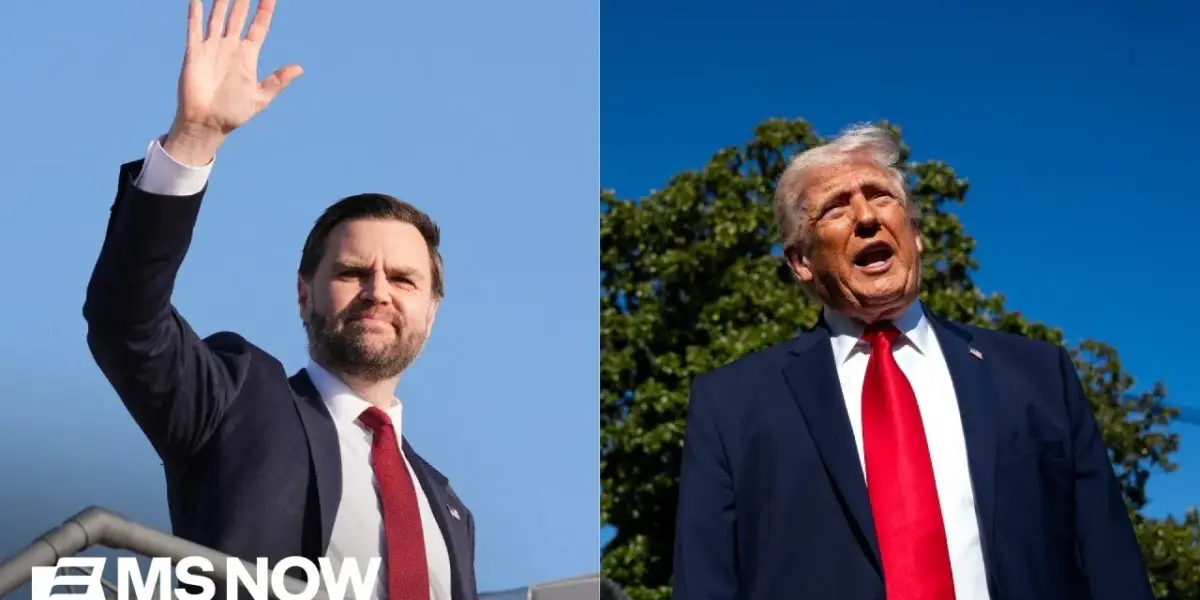
Trump Orders Hormuz Blockade as Iran Nuclear Talks Stall
President Donald Trump announced an immediate naval blockade of the Strait of Hormuz, a vital shipping route, following the breakdown of nuclear talks with Iran. The announcement, made via a Truth Social post, signals a significant escalation in tensions between the U.S. and Iran. The move comes as international efforts to secure a nuclear-free Iran falter, with key disagreements over uranium enrichment and frozen assets remaining unresolved.
Nuclear Deal Hinges on Long-Term Commitment
Negotiations aimed at preventing Iran from developing nuclear weapons have hit a major roadblock. A key sticking point is Iran’s commitment to not pursue nuclear arms, not just in the short term, but for the long haul. “We haven’t seen that yet. We hope that we will,” stated an official familiar with the talks, highlighting the lack of a fundamental commitment from Iran.
Further complicating the situation are demands for the release of approximately $27 billion in frozen Iranian assets. Iran has insisted on this release before finalizing any agreement, a condition the U.S. has refused, preferring to address it only after a comprehensive peace deal is reached.
Lebanon Conflict Casts Shadow Over Negotiations
The ongoing Israeli offensive in southern Lebanon is also playing a critical role in the diplomatic landscape. Pakistan’s foreign minister, who helped broker a two-week ceasefire, is urging both sides to maintain the fragile truce. However, Israeli airstrikes, particularly in Beirut, have resulted in hundreds of civilian casualties, creating immense pressure on Iran.
“Lebanon is a critical factor,” explained David Rode, senior national security reporter for MSNBC. “Iran is under enormous pressure from across the Middle East, the Arab world to try to use its leverage.” President Trump had reportedly asked Israeli Prime Minister Netanyahu to reduce the intensity of strikes, but these appeals have seen little impact, with hundreds of strikes reported in recent days.
Rode added, “This is an enormous challenge and I think it would be difficult for Iran to conclude a deal.” He noted that while other issues exist, the situation in Lebanon is a key concern for the Trump administration.
Strait of Hormuz Blockade: A Pressure Tactic?
President Trump’s Truth Social post declared, “effective immediately the United States Navy, the finest in the world, will begin the process of blockading any and all ships trying to enter or leave the Strait of Hormuz.” He also stated, “At some point we will reach an all being allowed to go in all being allowed to go out. That’s all caps basis.” This action raises questions about its legality and feasibility.
Foreign policy experts, like Richard Haass, former head of the Council on Foreign Relations, have previously suggested such measures as a way to pressure Iran. Rode described the move as “more rounds of brinksmanship,” predicting a rise in oil prices if the strait is effectively closed.
The current ceasefire in Iran is set to expire on April 21st, adding urgency to the situation. While the President may be focused solely on the nuclear issue, Iran faces multiple concerns, including Lebanon, and the release of frozen funds.
Congressional Reaction and Calls for Diplomacy
Congressman Gregory Meeks, the ranking Democrat on the House Foreign Affairs Committee, expressed strong criticism of President Trump’s actions. “I’m not sure what other nations are going to stop oil,” Meeks commented, questioning the global impact of the blockade. He called the President’s approach “nonsensical” and argued that it has worsened the situation.
“He got us in this mess, and the way to try to resolve it is not going to take place in a… I think it’s a little bit of diplomacy,” Meeks stated. He emphasized the need for direct talks, collaboration with allies, and the hard work of diplomacy, criticizing the Trump administration for alienating international partners.
Meeks also highlighted that Iran had previously agreed not to pursue nuclear weapons under the JCPOA, a deal the Trump administration abandoned. He expressed concern about the potential for escalating conflict, stating, “I’m looking to set another War Powers Resolution and hope my Republican colleagues stand up for the country so we can stop having this nonsense that this president continues to put us in.”
Lack of Transparency and Congressional Oversight
Congressman Meeks lamented the lack of transparency from the Trump administration regarding its Iran policy. “We have failed to do our jobs in the sense that on this committee, which should be overseeing what the president is doing and talking and we have not had one hearing on this matter,” he said. He stressed the need for congressional hearings to understand the President’s strategy.
Regarding the blockade, Meeks noted that if Iran were to fire on U.S. or allied vessels, it would be considered an act of war. He urged Congress to fulfill its duty to protect America, stating, “We are not Russia. We should not be bowing down and letting this president do whatever he wants.” He is considering bringing a War Powers Resolution to a vote to allow the public to see where elected officials stand on the escalating tensions.
Looking Ahead: A Fragile Truce and Uncertain Future
With the ceasefire set to expire and the threat of a naval blockade looming, the situation remains highly volatile. The success of future diplomatic efforts will depend on whether all parties can de-escalate tensions, address the core issues of Iran’s nuclear program, and manage regional conflicts like the one in Lebanon. The coming days will be critical in determining whether diplomacy prevails or if further conflict is inevitable.
Source: BREAKING: Trump says ‘effective immediately’ U.S. will blockade ships from Strait of Hormuz (YouTube)

Related Articles
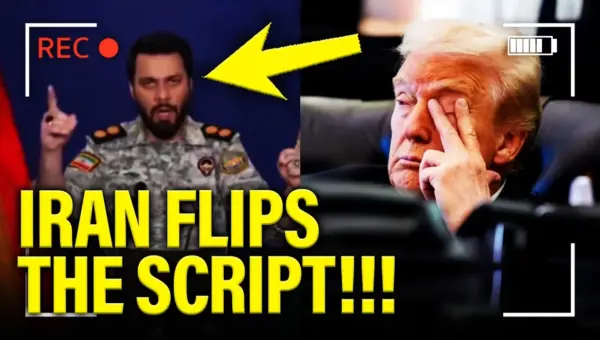
Iran’s AI Trolls Outsmart Trump’s Online War
Iran has turned to AI-generated videos and a relentless online trolling campaign to counter Donald Trump following failed negotiations. This strategy highlights a new form of asymmetrical warfare in the digital age, raising questions about the future of international relations and information control.
Trump Escalates Iran Conflict, Threatens Blockade
Former President Donald Trump has escalated tensions with Iran by threatening to blockade the Strait of Hormuz following failed negotiations led by Senator JD Vance. This move is marked by significant contradictions and raises concerns about global economic stability and the risk of wider conflict.

Trump Blocks Iran’s Oil, Bombers Ready for War
Negotiations between the US and Iran have collapsed, leading President Trump to announce a blockade of the Strait of Hormuz. The US Navy is preparing for potential strikes, with bombers loaded and on high alert.