TV Doctors Reveal Real-Life Hospital Drama Secrets
Doctors react to "The Pitt," revealing the surprising realities of CPR, the dangers of alcoholism-related bleeding, and how TV medical dramas balance drama with accuracy. Learn about mental health portrayals and the evolving role of technology in hospitals.

TV Doctors Reveal Real-Life Hospital Drama Secrets
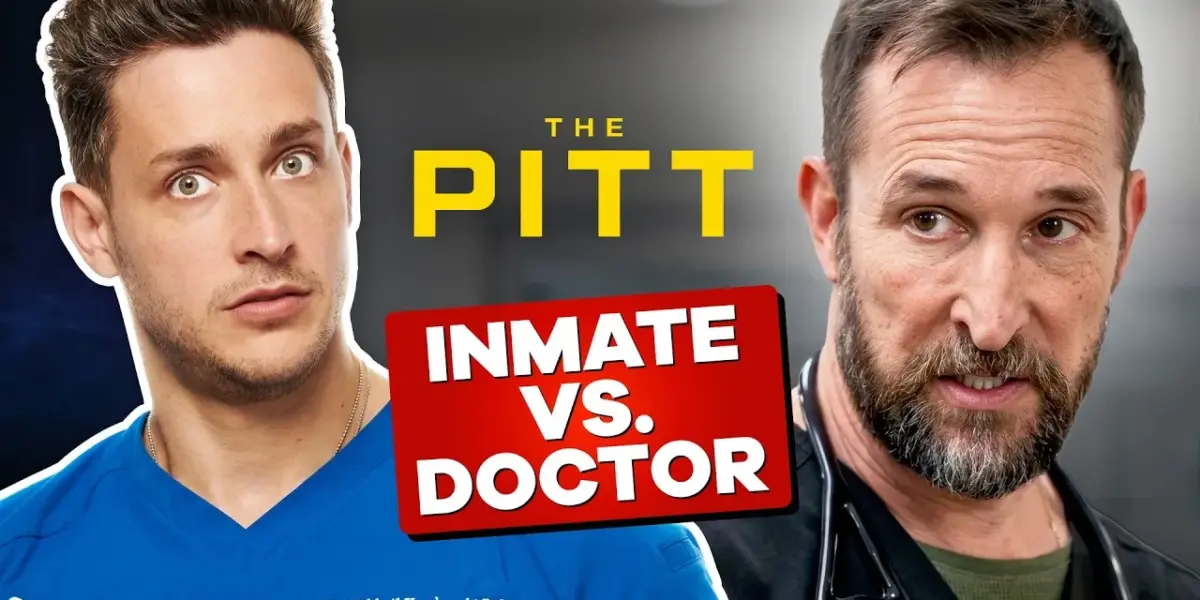
Ever wonder if medical dramas on TV accurately show what happens in a real hospital? Two doctors, Dr. Langdon and Dr. Al-Hashimi, recently shared their insights while reacting to an episode of the show “The Pitt.” They pointed out the challenges and surprising realities of portraying medical care on screen.
CPR: More Than Just Pushing Harder
One of the first things they discussed was chest compressions during CPR. Dr. Langdon noted that while the actors did a good job, the compressions could have been a bit deeper. He explained that people learn from TV, so accuracy matters. “It’s harder than it looks,” he admitted, referencing the technique of keeping arms straight and using shoulders to push down.
The show’s camera angles cleverly hid some imperfections. “It doesn’t let me give critique,” Dr. Al-Hashimi joked. This technique helps make the scene look good without showing every detail. The doctors agreed that while it’s a performance, the aim is to be as realistic as possible.
When Alcoholism Leads to Life-Threatening Bleeding
The episode showed a patient, Louie, who had a history of alcoholism. This condition can lead to serious liver problems, including scarring. When the liver scars, blood pressure in certain veins increases. The body tries to find new paths for blood flow, but these new routes can be fragile.
As Dr. Al-Hashimi explained, these weaker blood vessels can become wider and more likely to rupture. Even minor friction, like a breathing tube being inserted, can cause dangerous bleeding. Patients with severe liver disease also often have trouble with blood clotting, making bleeding a major concern. The situation became even more complex when blood appeared in the patient’s breathing tube, suggesting internal bleeding.
The Reality of Medical Scenes and Actors
Filming intense medical scenes takes a lot of rehearsal. The show uses medical advisors to ensure accuracy. Actors practice procedures at different speeds, from 25% to 100%, to get comfortable. This method is similar to how medical students learn: “see one, do one, teach one.”
Both doctors commented on how realistic the prosthetics and medical equipment look. Dr. Al-Hashimi mentioned feeling lightheaded during a particularly graphic scene, even though it wasn’t real. The actors’ dedication to detail makes the show feel authentic, drawing viewers deeper into the characters’ experiences.
Understanding Mental Health on Screen
The episode also touched on mental health, showing a character experiencing paranoia and hearing voices. The doctors discussed schizophrenia, noting it can sometimes start after a stressful event, like a serious illness. This can happen even if there were no previous signs of the condition.
They also mentioned that for young men in high-stress environments, like college, and especially when using marijuana, the risk of developing schizophrenia might increase. This highlights how certain life factors can play a role in mental health conditions.
The Art of Compassion and Humor
Caring for patients in their final stages of life presents unique challenges. Doctors must balance seriousness and compassion with moments of happiness and joy. Finding the right balance for each patient is crucial, according to Dr. Langdon.
The actors’ performances were praised for bringing humanity to these sensitive situations. The show’s ability to reveal the inner lives of characters, even those who might seem difficult at first glance, helps audiences connect with them on a deeper level. This is especially true when a character shows vulnerability, like wanting simple comfort, such as a chocolate drink.
Hospital Workflow and the Role of Technology
The doctors also discussed the daily operations of a hospital. They touched on the challenges of patient charting and the potential of new technologies like Artificial Intelligence (AI). Dr. Al-Hashimi shared that her hospital is testing AI to make charting more efficient.
While some worry AI might lead to seeing more patients, many doctors welcome it as a tool, not a replacement for human interaction. This technology could help reduce the time doctors spend typing notes, allowing for more face-to-face time with patients. This strengthens the patient-doctor bond, building trust and improving care.
Patient Safety and Decision-Making
The discussion also covered patient safety, especially concerning incarcerated patients. The decision to admit a patient involves weighing the need for hospital care against the risks of hospital-acquired infections and the potential for better rest in a familiar environment, like a correctional facility.
Ultimately, the doctors emphasized that medical decisions should be educational experiences for patients. While doctors can offer recommendations, the final choice should always rest with the patient. This approach respects patient autonomy and fosters a stronger partnership in their healthcare journey.
Key Health Takeaways
- CPR Accuracy Matters: While TV shows strive for realism, proper CPR technique involves specific depth and rhythm that can be challenging to portray perfectly.
- Alcoholism’s Hidden Dangers: Chronic alcohol abuse can lead to severe liver damage, increasing the risk of life-threatening bleeding in the esophagus and stomach.
- Mental Health Onset: Conditions like schizophrenia can sometimes be triggered by significant stress or illness, even without prior warning signs.
- Balancing Compassion and Humor: In end-of-life care, finding the right mix of seriousness, empathy, and lightheartedness is key to patient comfort.
- Technology in Healthcare: AI and other technologies may help streamline medical documentation, freeing up doctors to focus more on patient interaction and care.
- Patient Autonomy: Healthcare providers should educate patients about their options, but the final decision about treatment should always belong to the patient.
This article is based on a discussion between medical professionals reacting to a TV show. It is intended for informational purposes only and does not constitute medical advice. Always consult with a qualified healthcare provider for any health concerns or before making any decisions related to your health or treatment.
Source: Doctor Reacts To The Pitt Season 2 Episode 6 (YouTube)

Related Articles
The Pit: Robbie’s Future Hangs in the Balance!
In the penultimate episode of The Pit, Robbie grapples with his future, while Dr. Langden performs a life-saving procedure. The hospital staff deals with a chaotic 4th of July shift, personal revelations, and the looming departure of their chief.
The Pit’s Robbie Faces Crisis: Is This His Breaking Point?
The latest episode of 'The Pit' leaves viewers on edge as Dr. Robbie grapples with a personal health crisis and the emotional toll of the ER. A patient's mysterious collapse and other emergencies highlight the immense pressure on the medical staff, leading to a potential breaking point for Robbie.

The Pitt’s Raw Burnout: Season 2 Delivers Emotional Blows
The latest episode of 'The Pitt' intensifies its focus on caregiver burnout, showcasing violent patient encounters and deep personal conflicts. Dana and Robbie clash over safety and legal issues, while new insights into Santos's struggles and Langden's potential misconduct emerge. The episode also features a familiar face from Law & Order and highlights critical issues in rural healthcare.