Xi Purges Allies Amidst Party Power Grab
President Xi Jinping is intensifying purges within the Chinese Communist Party, targeting officials, including his own appointees, under the guise of anti-corruption. This move appears to be a consolidation of power, aimed at eliminating rivals and ensuring absolute loyalty as Xi reshapes the party in his image. The purges extend to the military and defense industry, raising questions about China's stability and future global role.

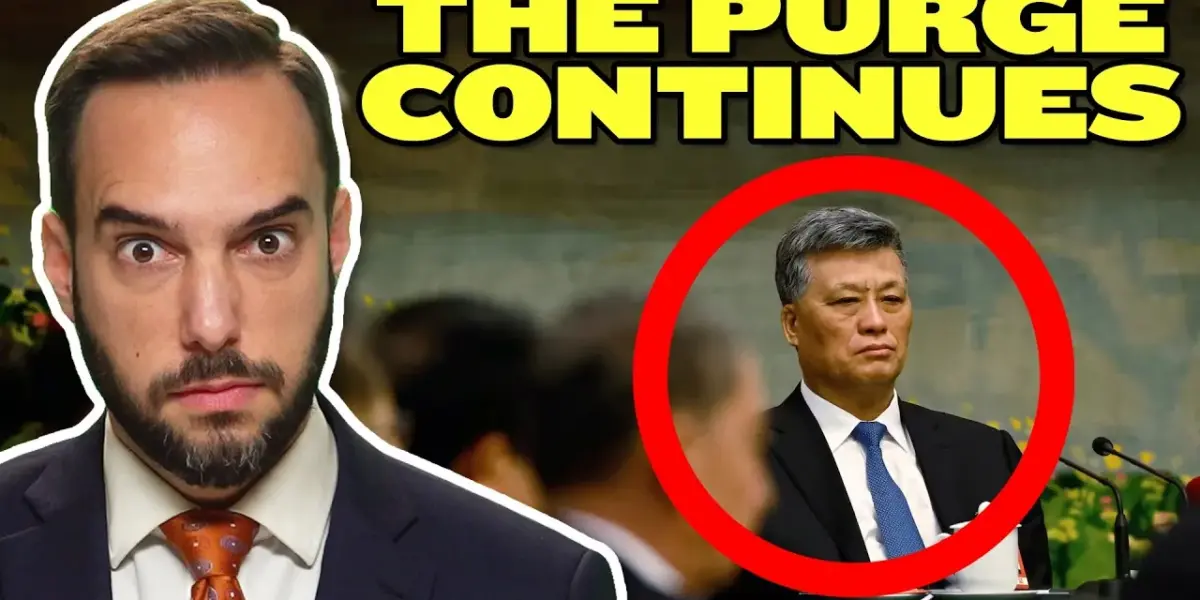
Xi Jinping Consolidates Power Through Sweeping Purges
Recent events within the Chinese Communist Party (CCP) signal a significant power consolidation by President Xi Jinping. A top official, Ma Shing Ru, a member of the elite Politburo, has been officially purged. This action is part of a larger trend of intensified purges, with nearly one million people disciplined in the past year alone, the highest number ever recorded. Three members of the Politburo, the party’s top 24 leaders, have been removed in the last six months, a scale not seen since the era of Mao Zedong.
Technocrats Targeted in New Wave of Purges
The current wave of purges is notable because it targets individuals, like Ma Shing Ru, who were not part of traditional political factions. Many of these officials, described as ‘technocrats,’ were promoted by Xi himself. They came from backgrounds in state-run industries and the private sector, especially the defense industry. Xi seemingly believed these individuals, lacking strong political ties, would be more loyal and serve as efficient administrators in his government.
Ma Shing Ru, for example, had a background in China’s defense industry and its military-run space program. He was part of a group of officials known as the ‘Cosmos Club,’ who moved from aerospace contractors into senior government roles. Xi promoted these technocrats to fill positions after purging rivals, particularly those linked to former leader Jiang Zemin. However, Xi now appears to be turning on these very appointees.
Military and Defense Industry Under Scrutiny
The purge of technocrats seems to have begun with the military. In 2023, several high-ranking generals in the People’s Liberation Army (PLA) Rocket Force, responsible for China’s nuclear arsenal, were arrested. This was surprising because Xi had personally created this force and appointed its leaders, believing them to be loyal. Investigations revealed significant corruption and quality issues within the Rocket Force, possibly hindering Xi’s military modernization plans.
This crackdown extended to China’s state-owned defense contractors. Investigators looking into problems in the Rocket Force also examined defense companies. Audits and whistleblowers uncovered issues like inflated costs, fake accounting, and improper dealings with private contractors during the time Ma Shing Ru oversaw parts of this industry. For Xi Jinping, disloyalty and anything that threatens his military goals are considered major offenses.
Motivations Behind Xi’s Actions
Xi Jinping’s purges are officially framed as anti-corruption campaigns. However, analysts suggest that corruption alone is not enough to remove a Politburo member, as corruption is widespread among top officials. The real reasons appear to be Xi’s desire to eliminate any potential rivals and ensure absolute loyalty as he reshapes the CCP in his own image. By targeting technocrats he himself promoted, Xi signals that even appointed officials are not safe if they are perceived as a threat or if their actions jeopardize his strategic objectives.
This approach suggests Xi is moving away from relying on technocrats and is instead prioritizing ideological purity and personal loyalty above all else. The purges aim to remove any lingering influence of past leaders’ factions and consolidate Xi’s personal authority over the party, military, and state apparatus. This strategy carries risks, as it can create instability and alienate capable officials.
Global Impact and Shifting World Order
These internal power struggles within China have broader international implications. China’s stability is crucial for the global economy. Any sign of internal weakness or unpredictable policy shifts from Beijing can affect international markets, trade, and geopolitical relations. The focus on military modernization and the defense industry suggests China’s assertiveness on the global stage may continue.
The intensified purges indicate Xi Jinping’s determination to solidify his control before potential future challenges. This consolidation of power could lead to more decisive, and perhaps more aggressive, foreign policy actions. It also raises questions about China’s long-term economic strategy and its commitment to international norms. The world is watching closely to see how these internal dynamics shape China’s role in the coming years.
Future Scenarios
Several future scenarios are possible. Xi could successfully purge all potential opposition, leading to a highly centralized and controlled China, but possibly at the cost of economic dynamism and innovation. Alternatively, the purges could create deep resentment within the party, potentially leading to internal dissent or instability down the line. Another possibility is that Xi’s focus on internal control might temporarily distract from external ambitions, though this is less likely given his established policy direction.
The ongoing purges are a clear sign of Xi Jinping’s ambition to cement his legacy. Whether this leads to a stronger, more efficient China or sows the seeds of future problems remains to be seen. The CCP is undergoing a significant transformation under his leadership, and the full consequences of this remaking process will unfold over time.
Source: Has Xi Jinping Gone INSANE?! (YouTube)

Related Articles


Ukraine Offers Combat Expertise in Middle East War
Ukraine is leveraging its extensive combat experience to offer air defense expertise and drone technology to nations involved in the Middle East conflict. This move aims to forge new alliances, secure economic benefits, and bolster its global standing, despite facing rejections and internal challenges.
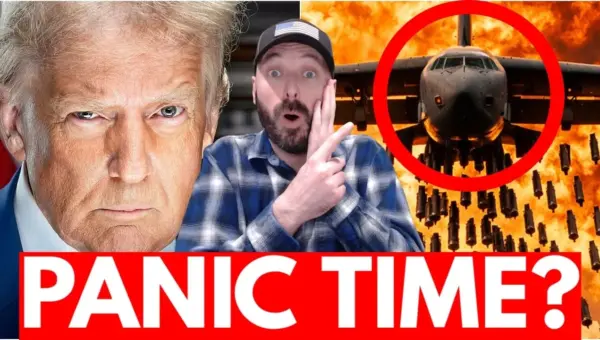
Trump Blocks Iran’s Oil, Bombers Ready for War
Negotiations between the US and Iran have collapsed, leading President Trump to announce a blockade of the Strait of Hormuz. The US Navy is preparing for potential strikes, with bombers loaded and on high alert.

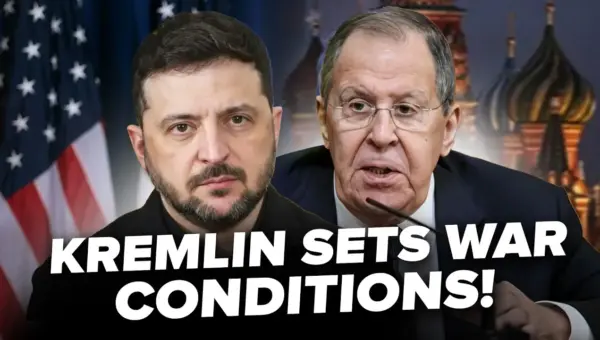
Ukraine Strikes Russian Energy Assets: A New War Tactic
Ukraine is escalating its attacks on Russian energy infrastructure, employing "kinetic sanctions" to pressure Moscow. This strategy aims to cripple Russia's war funding amid stalled peace talks and concerns over allied support.