Pope Condemns War, Stands Firm Against US Aggression
Pope Leo XIV has publicly condemned war crimes and aggressive U.S. policies, canceling a planned visit due to alleged threats. His strong stance emphasizes compassion and rejects the justification of violence in the name of religion, drawing parallels to historical papal struggles for independence.

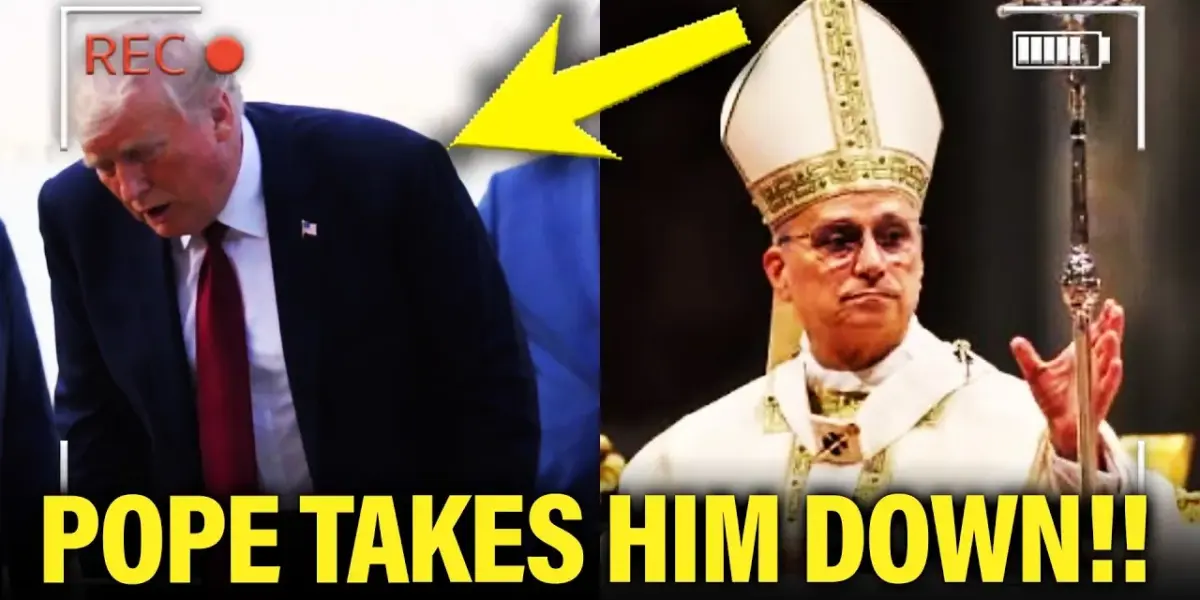
Pope’s Strong Stance Against War and US Actions
Pope Leo XIV has voiced strong disapproval of what he calls the “Trump regime’s” actions, particularly concerning war crimes and the treatment of migrants by U.S. agencies like ICE and Border Patrol. He has openly criticized what he perceives as aggressive foreign policy and a disregard for human life.
Alleged Threats and Papal Response
The transcript details an alleged incident where U.S. officials at the Pentagon reportedly confronted Pope Leo XIV’s ambassador. During this meeting, the U.S. officials allegedly brought up the 14th-century Avignon Papacy, a period when the French monarchy exerted significant control over the papacy, even relocating it to France. This was interpreted by the Vatican as a veiled threat of military action against the Holy See and a death threat to the Pope himself.
In response to this alleged threat and the U.S. administration’s policies, Pope Leo XIV canceled a planned visit to the United States. Instead, he announced a trip to Lampedusa, an Italian island known for its role in the migrant crisis, stating his intention to reflect on the suffering of migrants and be with them.
Critique of U.S. Policies and Political Figures
Pope Leo XIV has been particularly critical of U.S. domestic and foreign policies. He has condemned the use of agencies like ICE and Border Patrol, likening them to the Gestapo. He has also expressed strong disapproval of political figures like J.D. Vance, who he believes misuses religious rhetoric to justify violence and war crimes. The Pope’s message emphasizes truth, love, honesty, and compassion, principles he believes are fundamental regardless of religious affiliation.
Pope’s Social Media Statements
The Pope’s social media posts highlight his views. One post stated, “God does not bless any conflict. Anyone who is a disciple of Christ, the Prince of Peace, is never on the side of those who once wielded the sword and today drop bombs.” He further elaborated on the spread of “absurd and inhumane violence” in sacred places, condemning the “brutality of business with no regard for people’s lives.” He argued that no gain can justify the shedding of innocent blood, especially that of children and families.
In another statement, Pope Leo XIV addressed global economic disparities, noting that “hundreds of millions of people throughout the world are immersed in extreme poverty. Yet disproportionate wealth remains in the hands of a few.” He called for a commitment to change this unjust scenario, emphasizing the need for a more equitable distribution of wealth achieved with moral sense and honesty.
Rejection of War Justifications
Pope Leo XIV has directly challenged the idea that military action can be justified in the name of religion. He has rejected the notion that figures like J.D. Vance or Pete Hegseth are acting on divine instruction when advocating for war. The Pope argues that such interpretations of Christianity are distortions, where the desire for domination is mistaken for righteousness. He stated that Jesus does not listen to the prayers of those who wage war, contrasting this with God’s example of giving life rather than dominating.
Diplomatic Engagements Amidst Tensions
Amidst international tensions, Pope Leo XIV invited French President Emmanuel Macron for a meeting. This occurred after Israel reportedly banned Macron from involvement in potential mediations with Lebanon. The Pope’s meeting with Macron is seen as a clear message to leaders like Donald Trump and Benjamin Netanyahu, signaling a unified stance with European leaders against certain U.S. policies.
Condemnation of the Iran War
Pope Leo XIV has also declared the war in Iran unjust, stating it is not solving anything. Speaking in English, a language he uses for particularly direct messages, he urged people of goodwill to seek peace and reject war. He highlighted the global economic and energy crises, as well as the instability in the Middle East, as consequences of ongoing warfare that provoke hatred worldwide. He called for a return to dialogue and peaceful solutions, reminding everyone that attacks on civilian infrastructure violate international law and signify hatred and destruction.
Expert Analysis and Future Outlook
Christopher Hail, a writer for Substack and a close observer of the Vatican, confirmed the details of the alleged Pentagon meeting. He noted that the summoning of the Vatican’s ambassador to the Pentagon, rather than the State Department, was unusual. Hail believes that the Pope’s planned visit to the United States has been put on hold indefinitely, and may not occur until after Donald Trump leaves the presidency. He also pointed out that critics from the MAGA movement often label Pope Leo XIV as a “Marxist, radical, extremist, leftist.”
The core message from Pope Leo XIV, as interpreted by observers like Hail, is a call for humanity, compassion, and recognition of suffering worldwide, regardless of political or religious divides. This stance positions the Pope as a vocal critic of policies that lead to conflict and human suffering.
Why This Matters
The Pope’s strong public condemnations and diplomatic actions signal a significant rift between the Vatican and the current U.S. administration. His direct challenges to U.S. foreign policy, particularly regarding military interventions and the treatment of migrants, highlight a moral and ethical opposition. This stance not only influences international dialogue on peace and human rights but also raises questions about the role of religious leaders in addressing global political issues. The Pope’s actions underscore a growing concern among religious and humanitarian figures about the consequences of aggressive political agendas and the importance of empathy and compassion in international relations.
Implications and Future Outlook
Pope Leo XIV’s firm opposition to war and his criticism of U.S. policies could have lasting implications for diplomatic relations and international discourse. His willingness to directly confront powerful political figures and regimes sets a precedent for religious leaders engaging with contemporary global challenges. The ongoing tension suggests a continued focus on humanitarian concerns and ethical governance from the Vatican’s perspective. Future interactions will likely be shaped by these expressed values, potentially influencing how international bodies and governments approach issues of conflict, migration, and wealth inequality.
Historical Context
The reference to the Avignon Papacy in the 14th century provides historical context for the alleged threat. During this period, the papacy was heavily influenced by the French crown, with popes residing in Avignon rather than Rome. This historical event serves as a stark reminder of past instances where political powers sought to control or intimidate the papacy. Pope Leo XIV’s interpretation of the Pentagon meeting as a threat echoes these historical anxieties, underscoring his commitment to the independence and spiritual authority of the Holy See.
Source: FURIOUS Pope CHECKMATES Trump in FRONT OF WORLD!!!! (YouTube)

Related Articles

Rep. Jayapal Slams US Oil Blockade on Cuba as ‘Outrageous’
Congresswoman Pramila Jayapal has strongly criticized the U.S. oil blockade on Cuba as 'outrageous' and a humanitarian crisis, advocating for direct negotiations over sanctions. She also called for accountability regarding allegations against Congressman Eric Swalwell and expressed support for a robust Democratic primary in 2028.
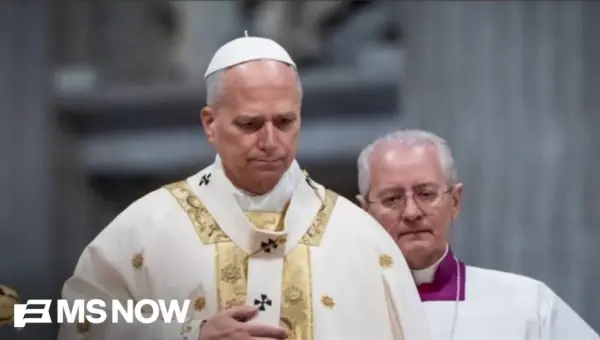
Pope Condemns “Wars of Choice” as Immoral
Pope Leo XIV has strongly condemned "wars of choice" as immoral, directly challenging President Trump's administration. Father Brian Massingale explains the Vatican's stance through the lens of the Just War Doctrine. The Pope urges a return to ethical considerations in foreign policy, questioning the misuse of religion to justify aggression.
J.D. Vance’s Past Remarks Cloud Iran Peace Talks
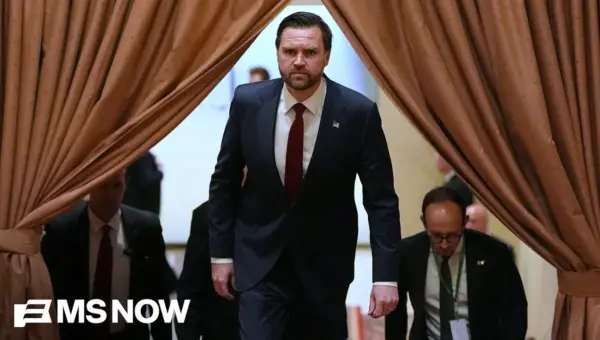
Senator J.D. Vance's role in sensitive Iran negotiations is complicated by his past comments and internal administration dynamics. While some Iranians may prefer him as a negotiator, his own past remarks on uranium enrichment and his complex political position create significant challenges.