US-Iran Peace Talks Collapse Amid Nuclear Standoff
High-level peace talks between the United States and Iran have collapsed, with Vice President J.D. Vance announcing no agreement was reached after 21 hours of discussions. The primary sticking point was Iran's nuclear ambitions, with the U.S. seeking a clear commitment against developing nuclear weapons. Despite the failure, the historic nature of the meeting and the continuation of a fragile ceasefire offer a sliver of hope for future diplomacy.

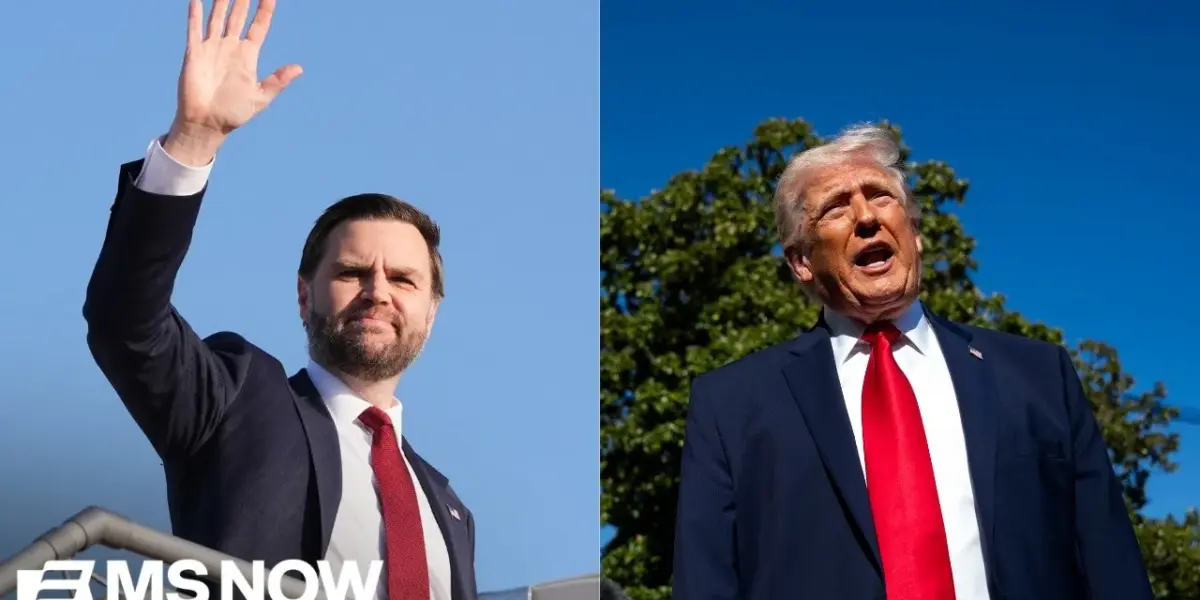
Peace Talks End Without Agreement
High-level peace talks between the United States and Iran have failed to produce an agreement, Vice President J.D. Vance announced late yesterday. The discussions, held in Pakistan over 21 hours, aimed to resolve ongoing tensions, but a fundamental disagreement over Iran’s nuclear ambitions stalled progress. Vance stated that the U.S. needs a clear commitment from Iran that it will not pursue nuclear weapons or the means to develop them quickly.
“We haven’t seen that yet. We hope that we will,” Vance said, expressing the U.S. desire for a long-term commitment from Iran regarding its nuclear program. Iran’s chief negotiator, however, placed the responsibility on the U.S., saying Iran’s position is clear and it is now up to the U.S. to decide if it can earn Iran’s trust.
Historic Meeting, Stalled Progress
Despite the lack of an agreement, the mere fact that these talks took place is considered historic. It marked the highest-level meeting between U.S. and Iranian officials since 1979. Pakistan’s foreign minister, who helped broker a two-week ceasefire leading up to the talks, stressed the importance of both sides continuing to uphold their commitment to the ceasefire.
However, significant hurdles remain. Key sticking points include Iran’s enriched uranium stockpile, frozen financial assets, and control over the vital Strait of Hormuz. These issues were central to the discussions and proved too complex to resolve in the short timeframe.
Mixed Signals and Shifting Narratives
As the talks were ongoing, the U.S. military announced that two destroyers had passed through the Strait of Hormuz to clear mines, a claim Iran denied. This action occurred against the backdrop of President Trump’s remarks as he left the White House for Florida. He downplayed the significance of a deal, stating, “Regardless, we win.”
His comments suggested a lack of urgency or a different strategic approach, leading to questions about the administration’s true objectives. Analysts noted that if the administration was serious about reaching a deal, the Vice President would likely have remained in negotiations until an agreement was closer. The extended time spent talking with Pakistani officials, rather than directly with the Iranian delegation for the full 21 hours, also raised eyebrows.
Expert Analysis on Negotiation Dynamics
Former Undersecretary of State Richard Stengel commented on the proceedings, suggesting the talks were not set up for success. He pointed out that the previous nuclear agreement, the JCPOA, took years to negotiate and focused on a single issue. Stengel argued that the current multifaceted issues, like the Strait of Hormuz, would each require months of negotiation.
“The leadership and President Trump, who’s never actually clearly defined what the objectives are. It’s very hard to negotiate when you don’t know what the objectives are,” Stengel stated. He also noted the unusual absence of figures like Marco Rubio, who has more experience in such negotiations, from the U.S. delegation.
Iran’s Strategic Position
Nancy Youssef, a staff writer for The Atlantic, highlighted that Iran’s strategy has been to survive and maintain its regime, control the Strait of Hormuz, and withstand pressure. She suggested that Iran calculated it could endure military pressure longer than the U.S. could withstand economic pressure, a calculation that may have proven correct.
“The Iranians win by not losing. That has been their strategy all along,” Youssef explained. This perspective suggests that even without a formal deal, Iran can claim a form of victory by simply continuing to exist and operate under existing pressures.
The Strait of Hormuz: A Critical Chokepoint
The Strait of Hormuz remains a critical point of contention. Iran views its control over the strait as leverage, which it is unwilling to relinquish without a comprehensive deal. The U.S. military’s move with the two destroyers was seen by some as a signal of its capability to ensure passage through the waterway and to clear potential mines.
However, Youssef cautioned that while the U.S. military can clear mines, maintaining consistent shipping traffic through the strait would require a much larger and sustained military commitment. “Holding that territory such that shipping goes through consistently is much, much harder,” she said, indicating that the recent naval activity was more about signaling and demonstrating capability than establishing long-term control.
Looking Ahead
With the initial high-level talks concluded without a breakthrough, the focus now shifts to the next steps. The continuation of the fragile ceasefire is paramount. The U.S. and Iran face the challenge of defining clear objectives and finding a diplomatic path forward on complex issues like nuclear proliferation, sanctions, and regional security. Whether future negotiations will involve different formats or a renewed commitment to direct dialogue remains to be seen.
Source: ‘Regardless we win’: Trump downplays failing U.S.-Iran peace talks (YouTube)

Related Articles

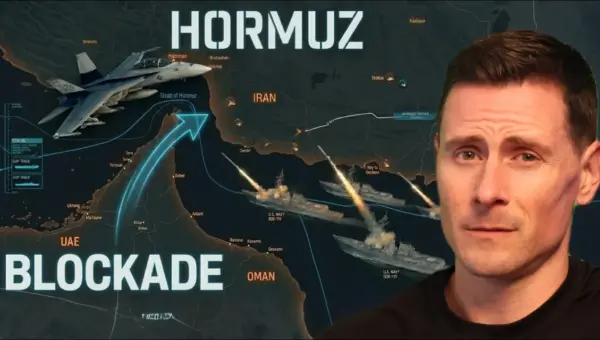
US Navy Blockades Strait of Hormuz After Talks Collapse
The U.S. Navy has launched a naval blockade of the Strait of Hormuz after critical ceasefire talks with Iran collapsed. This move follows accusations of Iranian "extortion" through alleged mine-laying and toll collection in the vital shipping lane. The operation aims to ensure global energy flow and challenge Iran's control over the waterway.

Trump Escalates Iran Conflict, Threatens Blockade
Former President Donald Trump has escalated tensions with Iran by threatening to blockade the Strait of Hormuz following failed negotiations led by Senator JD Vance. This move is marked by significant contradictions and raises concerns about global economic stability and the risk of wider conflict.

Trump Blocks Iran’s Oil, Bombers Ready for War
Negotiations between the US and Iran have collapsed, leading President Trump to announce a blockade of the Strait of Hormuz. The US Navy is preparing for potential strikes, with bombers loaded and on high alert.