Trump Clashes With Tucker Carlson Over War Threats
Former President Donald Trump is facing significant backlash from within his own MAGA movement over his aggressive war rhetoric, particularly his threat to Iran's civilization. Prominent figures like Tucker Carlson and Megyn Kelly have voiced strong criticism, leading to a public feud where Trump has attacked his detractors' intelligence. The conflict raises questions about voter trust, broken promises, and the sincerity of political endorsements.

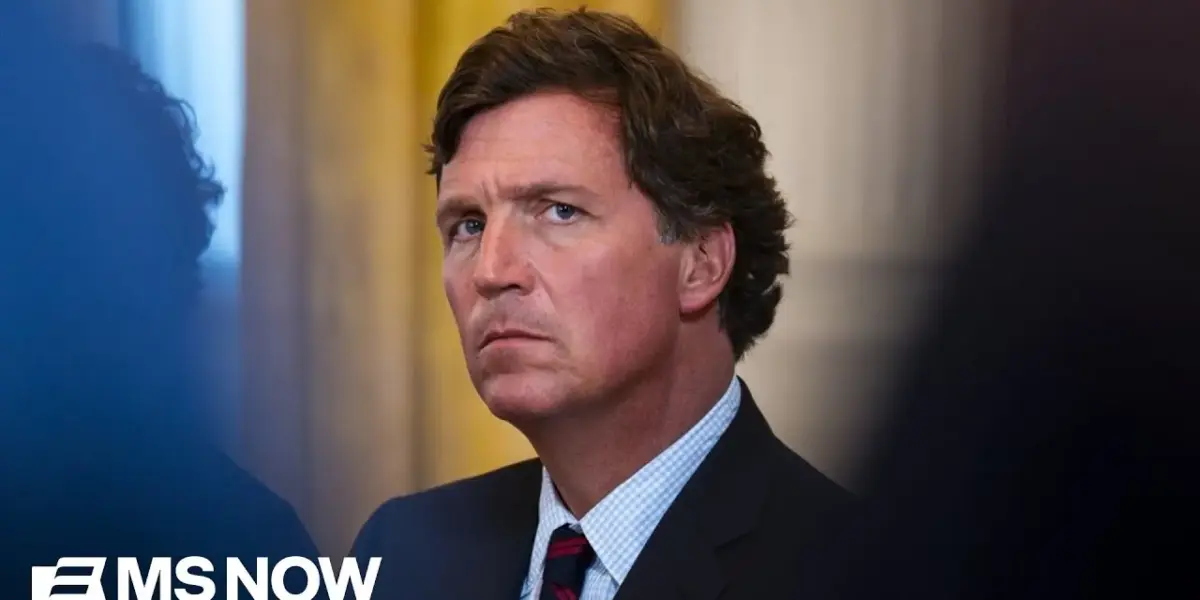
Trump Sparks Controversy with War Rhetoric
Former President Donald Trump’s recent remarks, including a disturbing threat to end Iran’s civilization, have ignited a firestorm within his own political base. This strong language has drawn sharp criticism from prominent figures in the MAGA movement, leading to an open conflict between Trump and some of his staunchest allies.
Allies Turn on Trump’s War Talk
The backlash began with strong condemnations from within the right-wing media sphere. One commentator directly addressed the former president, stating, “Shut up. Shut up. Shut up about that.” The criticism focused on the severity of Trump’s language, highlighting that threatening to wipe out an entire civilization is unacceptable. Concerns were raised about his state of mind, with questions about the 25th Amendment being brought up, suggesting that people within his administration need to intervene and control his actions. This internal dissent signals a growing unease with Trump’s rhetoric and its potential consequences.
Trump Retaliates Against Critics
Unsurprisingly, Donald Trump did not take kindly to the criticism. He launched a swift and public attack on several prominent media figures who had voiced their disapproval. Among those targeted were Tucker Carlson, Megyn Kelly, Candace Owens, and Alex Jones. Trump dismissed his critics, calling them people with “low iq’s” and labeling them as “stupid.” This aggressive response further escalated the conflict, turning a policy disagreement into a personal feud.
Carlson’s Response and Merchandise
Tucker Carlson responded to Trump’s attacks with a measured but pointed statement. He told Newsmax, “I’ve always liked Trump and still feel sorry for him as I do all slaves.” Carlson suggested that Trump is not in control of his own decisions, stating, “He’s hemmed in by other forces. He can’t make his own decisions. It is awful to watch.” Adding a layer of public commentary, Carlson began selling merchandise on his website that referenced Trump’s attacks on his intelligence, using the situation for both political messaging and commercial gain.
Erosion of Trust and Broken Promises
The conflict also highlights a deeper issue of broken promises and voter disillusionment. Some observers noted that many who believed Trump would be more peaceful than potential rivals like Kamala Harris may need to re-evaluate their predictions. The argument is that ignoring Trump’s past statements and actions over the last decade would be necessary to believe he would pursue a less interventionist foreign policy. Trump himself had promised not to start any new wars, a promise that critics argue he has now broken, leading to a sense of betrayal among some supporters.
Republican Voters Divided on Foreign Policy
Recent polling data from Pew Research Center sheds light on the divisions within the Republican party regarding foreign policy. While overall confidence in handling international issues remains relatively high, younger Republican voters are showing increased disapproval. This trend poses a risk for Trump, as these younger voters, particularly young men, have been a key demographic for his support. Independent and moderate conservatives, who may have been drawn to Trump’s economic message, are also showing signs of wavering, especially as foreign policy decisions impact domestic issues like gas prices.
Vulnerability and Strategic Attacks
The analysis suggests that Trump’s vulnerability lies with these independent and moderate conservative voters. Interestingly, Trump has not attacked all his critics. Figures like Theo Von and Andrew Schulz, who also criticize Trump but maintain credibility with younger voters, have been largely spared public attacks. This selective targeting suggests a strategic approach by Trump, focusing his ire on those he believes he cannot easily win back, like Carlson, while perhaps leaving the door open for reconciliation with others.
Megyn Kelly’s Position and Voter Loyalty
Megyn Kelly’s stance has also come under scrutiny. In the same week she criticized Trump’s war rhetoric, she also stated she would never vote for a Democrat and would support a Republican even if they used a nuclear weapon. This statement has led to questions about the nature of her support and that of others like her. The argument is that if voters express such unwavering loyalty regardless of actions, candidates may feel less pressure to fulfill promises.
The Nature of Support and Betrayal
The discussion also delves into whether critics like Carlson and Kelly should have seen this coming. Given their roles as professional pundits, the expectation is that they would have recognized the potential for Trump’s controversial statements. The core of the issue seems to be a feeling of betrayal among supporters who believed Trump’s promise of avoiding new wars. Even if Trump has a history of making questionable statements, the promise of non-intervention was a central theme for many.
Muslim American Voters and Shifting Alliances
The impact of Trump’s rhetoric on specific voting blocs, such as Muslim Americans in Michigan, is also examined. Some Muslim voters reportedly supported Trump in the past, not necessarily out of full agreement with his platform, but due to dissatisfaction with the Biden administration’s policies on Gaza and Kamala Harris’s positions. Trump’s promise of avoiding new wars resonated with this group, leading some to support him despite other reservations.
Conviction vs. Audience Reaction
A final question raised is the sincerity of the criticisms from figures like Megyn Kelly. Is her current stance a deeply held conviction, or is it a reaction to what she perceives in her audience and the current political climate? This uncertainty highlights the complex motivations behind public commentary and the challenges in discerning genuine belief from strategic positioning, especially in the current polarized political environment.
Source: Trump goes to WAR with Tucker Carlson, Megyn Kelly (YouTube)

Related Articles

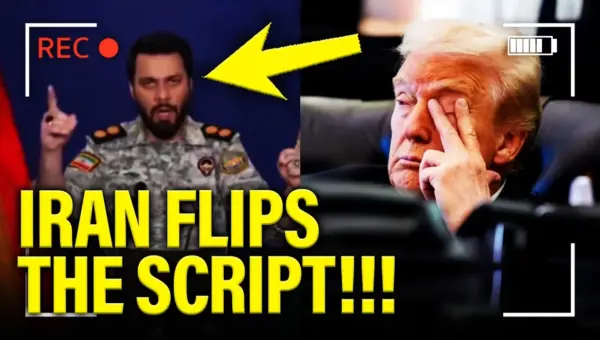
Iran’s AI Trolls Outsmart Trump’s Online War
Iran has turned to AI-generated videos and a relentless online trolling campaign to counter Donald Trump following failed negotiations. This strategy highlights a new form of asymmetrical warfare in the digital age, raising questions about the future of international relations and information control.
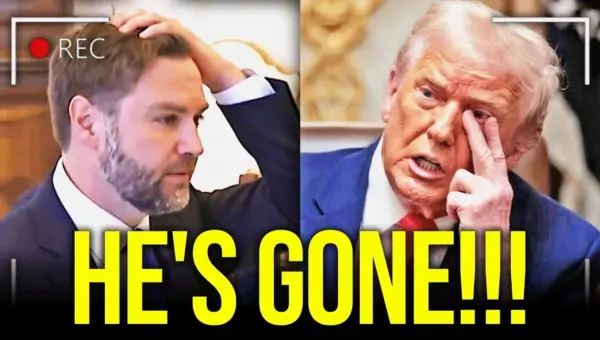
Trump Escalates Iran Conflict, Threatens Blockade
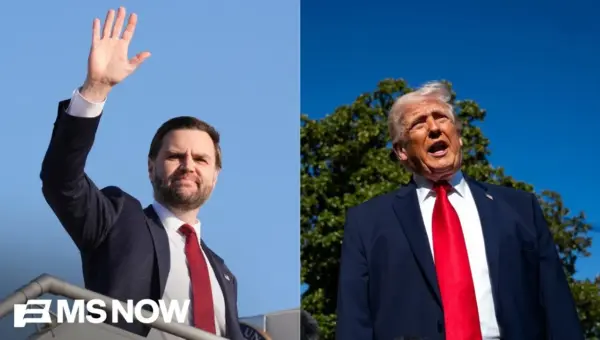
Former President Donald Trump has escalated tensions with Iran by threatening to blockade the Strait of Hormuz following failed negotiations led by Senator JD Vance. This move is marked by significant contradictions and raises concerns about global economic stability and the risk of wider conflict.

Trump Threatens Hormuz Blockade Amid Nuclear Talks Failure
President Trump has ordered an immediate U.S. naval blockade of the Strait of Hormuz following the failure of nuclear talks with Iran. Key disagreements over uranium enrichment and frozen assets, coupled with the ongoing conflict in Lebanon, have stalled diplomatic progress. Congressman Gregory Meeks criticized the move as "nonsensical" and called for renewed diplomatic efforts.