J.D. Vance’s Past Remarks Cloud Iran Peace Talks
Senator J.D. Vance's role in sensitive Iran negotiations is complicated by his past comments and internal administration dynamics. While some Iranians may prefer him as a negotiator, his own past remarks on uranium enrichment and his complex political position create significant challenges.

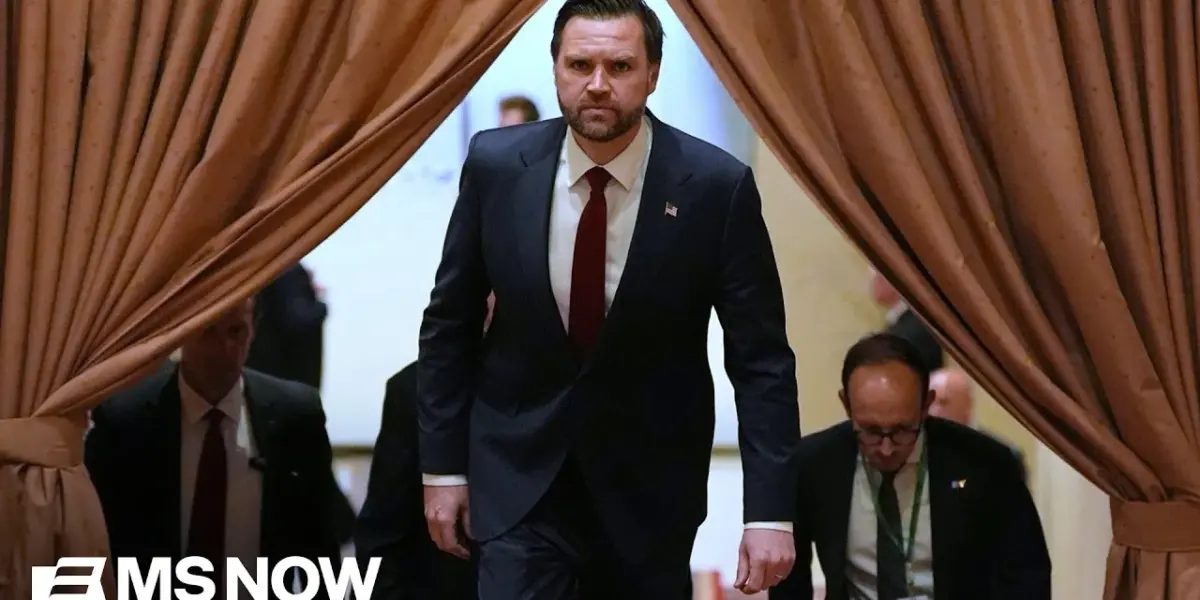
Vance Faces Scrutiny Amid Iran Negotiations
Senator J.D. Vance finds himself at the center of sensitive negotiations with Iran, a role complicated by his past public statements and internal administration dynamics. Vance, representing the Trump administration in these critical peace talks, has reportedly voiced private opposition to military action against Iran for weeks, even as President Trump has pursued a more aggressive stance. This internal dissent, revealed by two White House officials speaking on condition of anonymity, highlights Vance’s long-held opposition to U.S. military interventionism.
Iranian Negotiators’ Mixed Views on Vance
From an Iranian perspective, the choice of negotiators carries significant weight. Some Iranian sources have expressed dissatisfaction with previous negotiators like Steve Bannon and Jared Kushner, viewing them as ineffective and lacking a deep understanding of the technical aspects of the talks. This perception suggests that Iran might actually prefer negotiating with Vance, believing he has a more personal stake in the outcome due to his direct involvement.
“If it doesn’t happen, I’m blaming J.D. Vance. If it does happen, I’m taking full credit.” – Donald Trump
This statement from Donald Trump, where he humorously (or perhaps pointedly) assigned blame for failure to Vance while claiming credit for success, has not gone unnoticed. Iranian negotiators reportedly saw this remark and may be motivated to ensure Vance’s success. This could be a strategic move to ensure a deal is reached, with the hope that Vance, if he has a political future, will be committed to the agreement, unlike Trump, who might discard any deal simply to make a statement.
Vance’s Past Comments on Uranium Enrichment Surface
Adding another layer of complexity are Vance’s past public comments regarding Iran’s right to enrich uranium. In a notable instance, Vance stated, “We refuse to give up the right to enrichment.” He then used an analogy involving his wife and skydiving to explain his position. This analogy, comparing a nation’s right to enrichment to his wife’s right to skydive, has been described as “awkward” and “weird,” raising questions about his approach to sensitive diplomatic issues.
The analogy, which suggests that while his wife has the right to skydive, she has an agreement not to, implies a personal veto over a right. This has led to confusion and commentary, with some wondering if his wife, Usha, is aware of being brought into such a public discussion. While Vance’s motivations for opposing war might be understood, his suitability as a master negotiator remains a point of doubt for some observers.
Vance’s Negotiating Position: A Lose-Lose Scenario?
The current situation presents a difficult path for Vance. He appears to be in a lose-lose scenario, trying to achieve a favorable outcome that secures a Donald Trump endorsement while also positioning himself as an anti-war voice. If he strikes a deal, he gains a diplomatic achievement, but if he opposes Trump’s agenda, he risks alienating the MAGA base.
Adding to the challenge, Vance is seen by some as not having a clear political constituency, potentially leading him to be perceived as standing for nothing. Even if his anti-war sentiments are genuine, they are currently only known through anonymous sources, lacking public bravery. This lack of public declaration makes it difficult for his stance to be recognized and trusted.
Rubio’s Strategic Silence Contrasted with Vance’s Exposure
In contrast to Vance’s high-profile involvement, Senator Marco Rubio has managed to remain largely out of the spotlight regarding the Iran negotiations. This strategic move allows Rubio to appear as if he has no direct involvement, a stark contrast to Vance’s prominent role. Observers note that Rubio, possessing considerable political talent, has skillfully maneuvered himself away from the direct pressure Vance is experiencing.
While Vance was in Pakistan negotiating with Iran, Rubio was reportedly attending a UFC fight in Miami. This difference in public engagement highlights Rubio’s ability to manage his political capital and public image effectively. For Vance, however, this high level of involvement without a clear public backing or established political platform could pose significant challenges as the negotiations progress and the outcomes become clearer.
Source: AWKWARD: JD Vance’s old comments loom over Iran peace talks (YouTube)

Related Articles
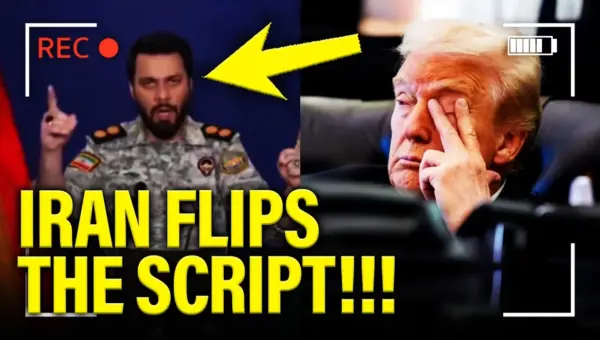
Iran’s AI Trolls Outsmart Trump’s Online War
Iran has turned to AI-generated videos and a relentless online trolling campaign to counter Donald Trump following failed negotiations. This strategy highlights a new form of asymmetrical warfare in the digital age, raising questions about the future of international relations and information control.
Ukraine Pushes for Easter Ceasefire, Offers Reciprocity
Ukraine has proposed an Easter ceasefire, contingent on Russia's reciprocal de-escalation. Kyiv emphasizes its commitment to prisoner exchanges and diplomatic efforts for security guarantees. The nation also prioritizes domestic energy security.
Vance Fails to Secure Iran Deal Amid Deep Divisions
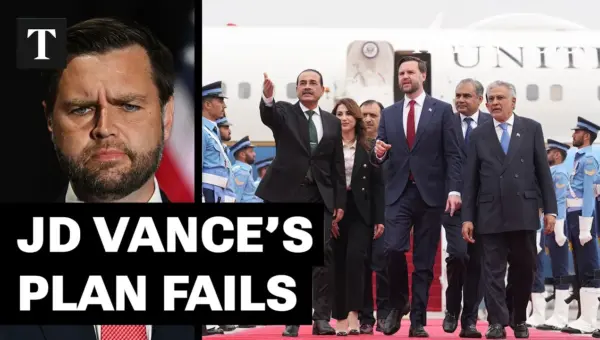
Vice President J.D. Vance has concluded intensive peace talks with Iran, reporting no agreement due to significant disagreements on nuclear capabilities, the Strait of Hormuz, and Lebanon. Experts were unsurprised by the failure, citing deep divisions between the two sides. The US appears poised for military action to ensure passage through the Strait of Hormuz.