Iran Peace Talks Stall: US, Iran Far Apart on Nuclear Deal
US-Iran peace talks have ended after 21 hours without an agreement, with Vice President JD Vance stating Iran refused to commit to abandoning its nuclear weapons program. The collapse of negotiations adds to regional tensions as a ceasefire between Israel and Hezbollah is set to expire next week.

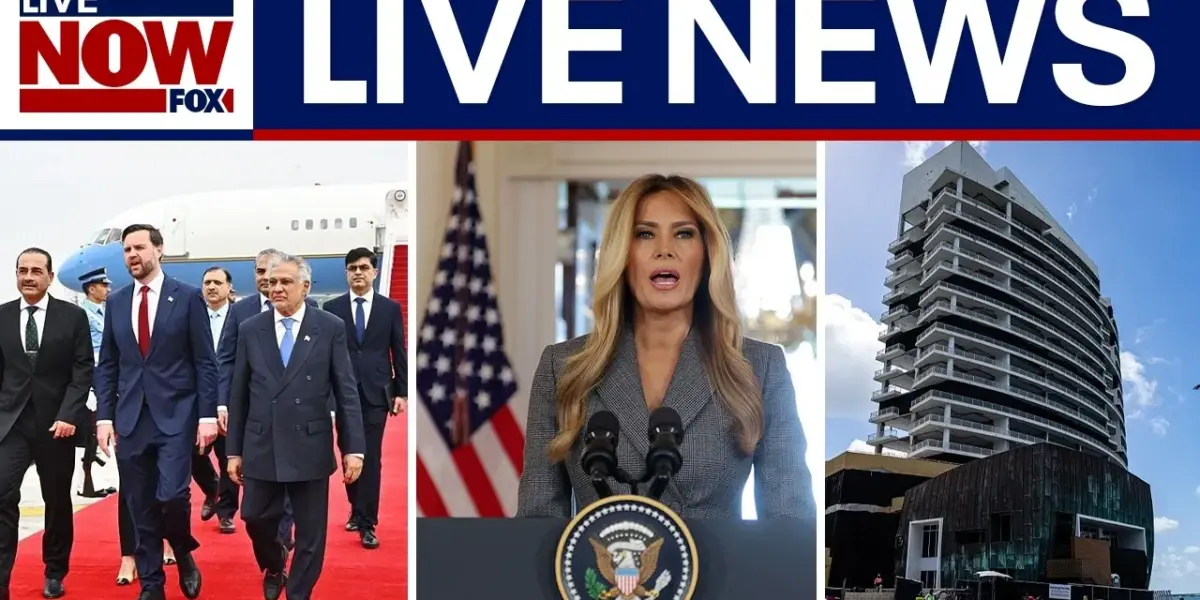
US-Iran Peace Talks Collapse Over Nuclear Program
Peace talks between the United States and Iran have ended without an agreement after 21 hours of discussions in Islamabad, Pakistan. Vice President JD Vance, who led the U.S. delegation, stated that negotiations broke down because Iran refused to commit to abandoning its nuclear weapons program. This development comes as a 14-day ceasefire between Israel and Hezbollah is set to expire on April 22nd, adding to regional tensions.
Iranian officials blamed the U.S. for the talks failing, citing a “gap between our opinions over two or three important issues.” Neither side has specified what the next steps will be, though Pakistani mediators urged all parties to maintain the existing ceasefire.
Key Demands and Sticking Points
Vice President Vance emphasized that the core U.S. demand is an “affirmative commitment that they will not seek a nuclear weapon and they will not seek the tools that would enable them to quickly achieve a nuclear weapon.” He stressed that this commitment needs to be for the long term, not just the immediate future.
The U.S. delegation expressed flexibility and accommodation, stating they came to the negotiations in good faith. However, they reported that Iran ultimately chose not to accept the U.S. terms. “We’ve made very clear what our red lines are, what things we’re willing to accommodate them on and what things we’re not,” Vance said.
“The simple fact that we need to see an affirmative commitment that they will not seek a nuclear weapon and they will not seek the tools that would enable them to quickly achieve a nuclear weapon. That is the core goal of the president of the United States and that’s what we’ve tried to achieve through these negotiations.”
– Vice President JD Vance
Regional Tensions Escalate
The collapse of the U.S.-Iran talks occurs amid rising tensions in the Middle East. U.S. military destroyers recently transited the Strait of Hormuz ahead of mine-clearing operations, a move that Iran has denied any knowledge of. This waterway is crucial for global oil transport.
Meanwhile, negotiations between Israel and Lebanon are expected to begin next week in Washington. This follows recent Israeli military strikes on what they described as Hezbollah infrastructure sites across Lebanon, which resulted in hundreds of casualties. Israeli Prime Minister Benjamin Netanyahu approved direct talks, while Lebanese President stated they are expected to start on Tuesday.
Expert Analysis on Iran’s Stance
Jonathan Say, a program research analyst at the Foundation for the Defense of Democracies, offered insight into Iran’s position. He noted that the Iranian regime becomes more inflexible when facing escalating situations or feeling cornered, making concessions less likely.
Say explained that Iran views the Strait of Hormuz as its primary leverage, especially after past operations scaled back its nuclear program’s effectiveness. He suggested Iran might be postponing discussions on the Strait to focus on nuclear talks, which could lead to sanctions relief. “No matter what angle you look at, the two parties were never this far apart,” Say commented.
The Role of the Iranian People and Leadership
Regarding the Iranian population, Say suggested that internal unrest poses a greater threat to the regime’s stability than external attacks. He believes this internal threat has not been effectively communicated by the current U.S. administration.
The nuclear program, according to Say, has cost Iran billions of dollars without benefiting the average citizen, who has struggled with power outages for years. He stated that the program’s true purpose is weaponization, not peaceful energy, and it has never served the Iranian people’s interests.
Supreme Leader’s Condition and Regime Dynamics
Recent reports from Reuters suggest Iran’s new Supreme Leader, Mostafa Khamenei, has suffered severe injuries, including disfiguring wounds and leg injuries, from an attack on a compound in Tehran. Information on his condition and public appearances remains limited.
Say commented that while Khamenei is likely still making decisions, the Supreme Leader’s office is closely aligned with the Islamic Revolutionary Guard Corps (IRGC). He described the regime’s structure as one where the clergy legitimizes the IRGC’s rule in exchange for security. However, in times of crisis, the IRGC holds more power, even over the Supreme Leader, especially as the religious authority loses legitimacy with the public. “It comes down to who is holding the guns,” Say stated.
Looking Ahead
With peace talks stalled and regional conflicts escalating, the coming weeks will be critical. The expiration of the Israel-Hezbollah ceasefire on April 22nd, coupled with ongoing diplomatic deadlock between the U.S. and Iran, creates an uncertain future for the Middle East. Attention will remain on whether either side will adjust its position or if new diplomatic avenues will emerge.
Source: LIVE NEWS: Iran peace talks stall, Epstein investigation latest, Miami hotel implosion (YouTube)

Related Articles

Pakistan Mediates US-Iran Peace Talks Amid Shifting Alliances
Pakistan is stepping into a critical mediation role between the United States and Iran, leveraging its unique position and historical ties. Once known for harboring Osama bin Laden, the nation now seeks to broker peace amid escalating tensions, supported by its military leadership and influenced by China's regional strategy. Despite these efforts, hopes for a lasting resolution remain limited, highlighting America's shifting global standing and the severe economic impact on developing nations.


US-Iran Peace Talks Collapse: What’s Next for Global Stability?
Peace talks between the United States and Iran have collapsed in Islamabad, with both sides blaming each other for the failure. Key sticking points included Iran's nuclear program and the ongoing blockade of the Strait of Hormuz, raising fears of renewed conflict and continued global economic disruption.
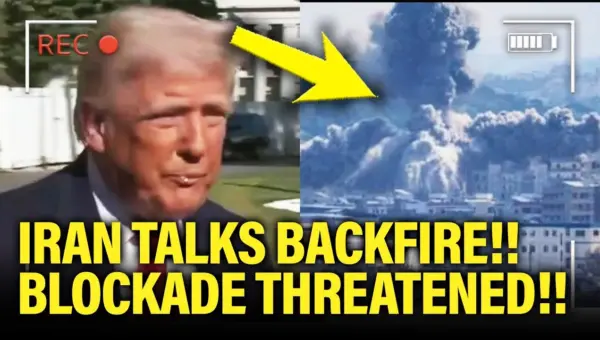
US-Iran Talks Collapse Amid Threats, Escalating Tensions
U.S.-Iran negotiations in Pakistan have collapsed following alleged U.S. attempts to alter a prior agreement. This breakdown has led to threats of a naval blockade and raises concerns about global economic stability and shifting geopolitical alliances, particularly regarding China's growing influence.