US-Iran Talks Collapse Amid Threats, Escalating Tensions
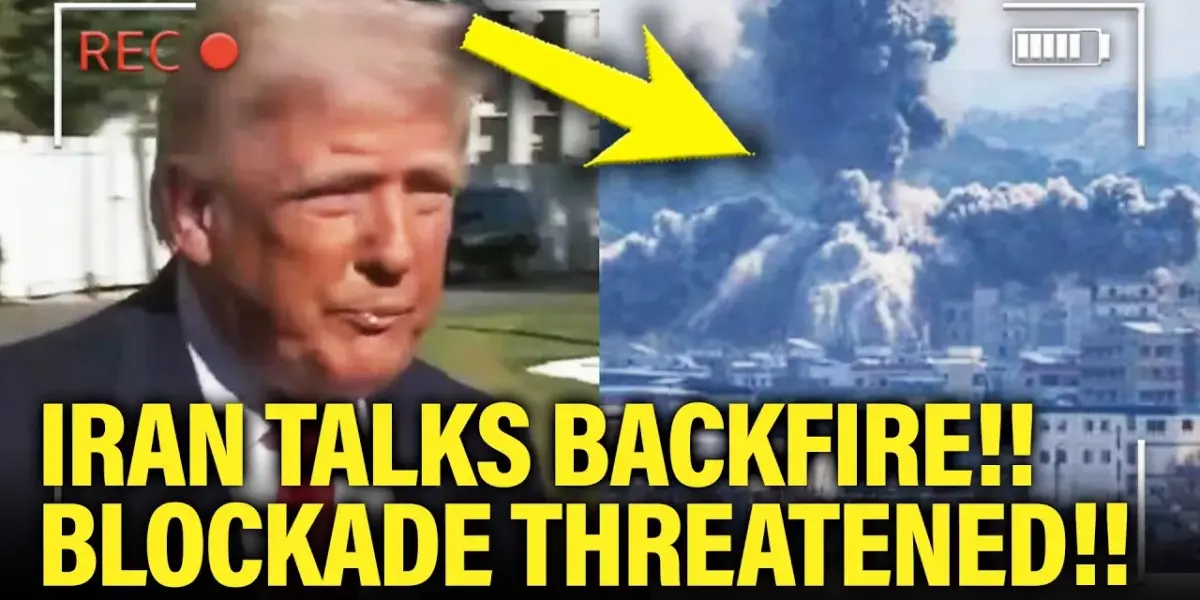
U.S.-Iran negotiations in Pakistan have collapsed following alleged U.S. attempts to alter a prior agreement. This breakdown has led to threats of a naval blockade and raises concerns about global economic stability and shifting geopolitical alliances, particularly regarding China's growing influence.

US-Iran Talks Collapse Amid Threats, Escalating Tensions
Negotiations between the United States and Iran, held in Islamabad, Pakistan, have ended without a deal. Reports suggest the talks failed because the U.S. delegation, led by figures like J.D. Vance, attempted to change a previously agreed-upon 10-point framework. Iran insisted on sticking to the original terms, leading to a breakdown in discussions.
Shifting Demands and Empty Threats
According to the transcript, the U.S. side presented new demands after initially agreeing to a framework. This framework reportedly included Iran controlling the Strait of Hormuz, charging fees for passage, receiving reparations, and maintaining its military capabilities. When the U.S. delegation later reneged on these points, Iran refused to budge from the original agreement.
Following the failed talks, former President Donald Trump reportedly made public statements and social media posts threatening to impose a naval blockade on the Persian Gulf. This included the potential use of the USS Gerald Ford. Such a move could lead to confrontations with ships from allied nations like China and India, potentially disrupting global trade and escalating conflict.
“The Trump regime showed up and they tried to change the 10-point negotiating framework that they previously agreed to with Iran. Iran said, ‘No, we’re sticking with the framework you previously agreed to.'”
Iran’s Stance and Global Implications
Iran’s negotiators reportedly stated that the threats did not intimidate them. They highlighted their ability to impact the global economy, particularly the U.S. economy, if necessary. Iran’s position was to adhere to the agreed-upon framework or have no resolution. The failure to reach an agreement has significant implications for global trade and geopolitical stability.
China’s role in supporting Iran’s military buildup is also noted as a growing concern. The transcript suggests that China is becoming a more influential player in the Middle East through its relationship with Iran. This could shift the balance of power, with Iran potentially using its control over the Strait of Hormuz to promote alternative currencies like China’s yuan, thereby devaluing the U.S. dollar.
Historical Context and Trust
The breakdown in negotiations is framed as a failure of good faith and fair dealing, fundamental elements of trust in international relations. The transcript criticizes a pattern of broken promises and shifting terms, suggesting it has eroded U.S. credibility on the global stage. This approach, it is argued, weakens America’s standing both domestically and abroad.
Disputed Incidents and Escalation
Adding to the tension, reports emerged of U.S. Navy destroyers entering the Strait of Hormuz during the negotiations. Iran reportedly challenged these vessels, leading to their withdrawal. However, the U.S. military later claimed a successful mine-sweeping operation, a narrative disputed by some media outlets. This incident, occurring during a ceasefire period, further complicated the fragile diplomatic process.
Key Sticking Points
While the transcript mentions uranium enrichment as a point of discussion, it suggests that the main obstacles were Iran’s control over the Strait of Hormuz and the ongoing conflict in Lebanon involving Israel. Iran reportedly rejected U.S. proposals for a joint venture to manage the Strait and demanded an end to Israeli actions in Lebanon as part of any security guarantees.
Iran’s Official Statement
Iranian state media reported that their delegation successfully defended the nation’s rights and interests, preventing the U.S. from achieving its demands. They characterized U.S. aims as seeking concessions unobtainable through war, specifically mentioning the Strait of Hormuz and nuclear materials. Iran’s foreign ministry spokesperson emphasized that diplomatic success depends on good faith and respect for Iran’s legitimate rights.
Future Outlook
With no agreement reached and threats of blockades looming, the situation remains volatile. Iran has warned of a firm response to any attempts to pass through the Strait of Hormuz. The failure of these talks suggests a continued period of high tension and potential confrontation in the region, with significant global economic and political consequences.
Why This Matters
The collapse of these U.S.-Iran talks is significant because it highlights a breakdown in diplomacy at a critical juncture. The reported threats of naval blockades and the underlying disputes over regional influence and economic stability could have far-reaching consequences. For global markets, control over the Strait of Hormuz is paramount, as it is a vital chokepoint for oil transport. Any disruption there could lead to significant price increases and economic instability worldwide. Furthermore, the increasing influence of China in the Middle East, facilitated by strained U.S.-Iran relations, could reshape global alliances and power dynamics. The inability to find common ground through negotiation risks further escalating regional tensions and potentially drawing other global powers into conflict. The credibility of diplomatic processes is also at stake, as a failure to adhere to agreed-upon frameworks can undermine trust and make future negotiations more difficult.
Source: Trump PANICS as IRAN TALKS COMPLETELY FAIL!!!! (YouTube)

Related Articles


Trump Accused of War Crimes Amidst Failed Iran Talks
Former President Donald Trump faces accusations of war crimes following the collapse of talks with Iran. Legal experts argue his actions violated international law and ignored allies' calls for a ceasefire, raising serious questions about accountability.


Iran Deal Fallout: Trump’s Claims Clash With Reality
President Trump claimed Iran had no leverage, but the difficulty in reaching a deal suggests otherwise. Critics argue this approach weakened the U.S., allowing Iran to gain influence via the Strait of Hormuz. This highlights the ongoing debate between military might and diplomatic strategy in foreign policy.
Iran Warns Trump Over Hormuz Strait Blockade Threat
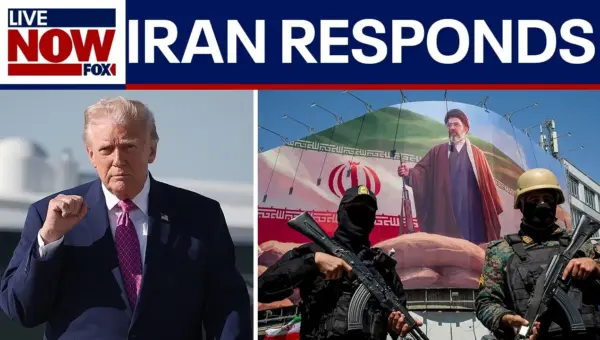
Iran has issued a stern warning against any U.S. military vessels attempting to blockade the Strait of Hormuz, calling it a violation of a ceasefire. The U.S. blockade aims to cut off Iran's oil revenue, impacting both Iran and China. The situation is at a critical juncture, with potential for further escalation.