Iran Nuclear Deal Collapses: US Demands Unmet
Intense negotiations to revive Iran's nuclear deal have failed, with the U.S. stating Iran did not accept key terms. The core issue remains Iran's commitment to not pursuing nuclear weapons. The breakdown raises concerns for global security and regional stability.

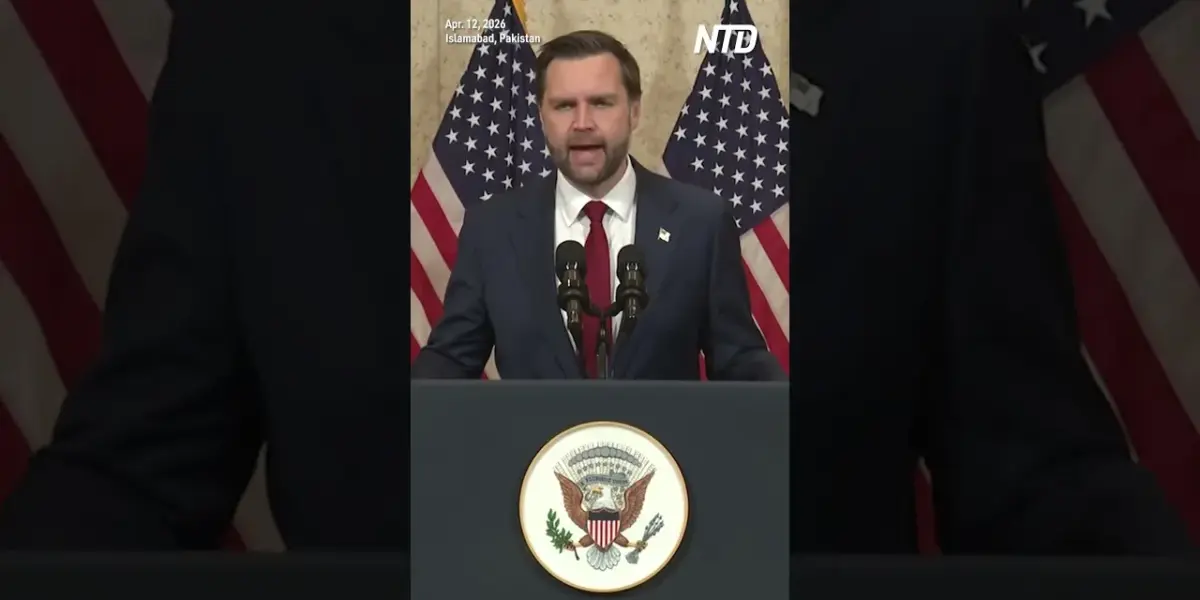
Iran Nuclear Deal Collapses: US Demands Unmet
Talks aimed at reviving Iran’s nuclear deal have hit a major roadblock. The United States announced that an agreement could not be reached because Iran did not accept the proposed terms. This breakdown follows 21 hours of intense private negotiations, leaving the core issues unresolved and the path forward uncertain.
The primary sticking point, according to U.S. officials, is the need for Iran to make a clear and firm commitment. This commitment must ensure that Iran will not pursue nuclear weapons or the technology needed to build them quickly. This goal remains central to the U.S. President’s strategy in these complex discussions.
What Was the Goal of the Negotiations?
The objective of these talks was to prevent Iran from developing nuclear weapons. Iran’s nuclear program, including its uranium enrichment facilities, has been a source of international concern for years. While some previous facilities have reportedly been dismantled, the fundamental question of Iran’s long-term intentions remains unanswered.
U.S. negotiators emphasized that they need to see a deep-seated commitment from Iran. This commitment should not be temporary; it needs to guarantee that Iran will not seek nuclear weapons now, in two years, or in the distant future. Without this assurance, the deal cannot move forward.
The Core Issue: Trust and Verification
At the heart of the matter lies a fundamental lack of trust and the difficulty in verifying Iran’s intentions. For decades, the international community has sought to ensure that Iran’s nuclear activities are purely for peaceful purposes. The concern has always been that Iran could use its civilian nuclear program as a cover to develop weapons.
Agreements like the Joint Comprehensive Plan of Action (JCPOA), signed in 2015, aimed to address these concerns. The JCPOA placed strict limits on Iran’s uranium enrichment activities and allowed for international inspections. However, the U.S. withdrew from the deal in 2018, and subsequent events have further complicated efforts to find a lasting solution.
Historical Context: A Winding Path
The quest for an Iranian nuclear deal has a long and complex history. Following Iran’s nuclear advancements in the early 2000s, international pressure mounted. The U.N. Security Council imposed sanctions, and diplomatic efforts intensified.
The 2015 JCPOA was seen as a major diplomatic achievement. It involved Iran, the five permanent members of the U.N. Security Council (China, France, Russia, the United Kingdom, and the United States), plus Germany. Under the deal, Iran agreed to limit its uranium enrichment and allow extensive inspections in exchange for sanctions relief.
However, tensions resurfaced when the Trump administration pulled out of the JCPOA, reimposing sanctions. This led Iran to gradually increase its nuclear activities, moving further away from the deal’s restrictions. The Biden administration has sought to re-enter the agreement, but negotiations have been protracted and difficult.
Why This Matters
The failure to reach a nuclear deal has significant implications for global security and regional stability. If Iran continues to advance its nuclear program without robust oversight, the risk of proliferation increases. This could trigger a regional arms race, with other countries in the Middle East seeking their own nuclear capabilities.
For the United States and its allies, preventing a nuclear-armed Iran is a top priority. The current situation leaves a void where a verifiable agreement once stood. It raises questions about how to monitor Iran’s nuclear progress and what steps might be taken if Iran moves closer to developing a weapon.
Looking Ahead: Uncertainty Prevails
The immediate future of Iran’s nuclear program remains uncertain. Without a deal, Iran may continue to enrich uranium to higher levels, potentially bringing it closer to weapons-grade material. The international community faces the challenge of responding to these developments without escalating tensions further.
Diplomatic channels may remain open, but the U.S. has made it clear that Iran’s acceptance of terms is crucial. The hope is that Iran will eventually provide the necessary assurances. Until then, the world watches anxiously, hoping that a peaceful resolution can still be found to prevent a major security crisis.
Source: US Says No Deal After Iran Did Not Accept Terms (YouTube)

Related Articles

US-Iran Talks Collapse: War Looms After Summit Fails
US-Iran peace talks in Islamabad have collapsed after the Trump administration reportedly tried to change the negotiating framework. Senator JD Vance announced the breakdown, stating Iran refused U.S. demands, signaling a likely return to conflict. The failure occurred while President Trump attended a UFC match.

US-Iran Talks Collapse: Trump’s Dealmaking Falters
Recent U.S.-Iran negotiations in Pakistan have collapsed, with both sides blaming the other for changing the framework and imposing demands. The failure raises concerns about renewed conflict and highlights deep-seated mistrust.

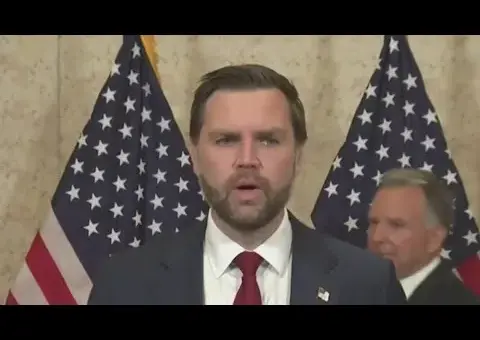
Iran Nuclear Talks Stall, U.S. Cites Lack of Trust
Direct talks between the U.S. and Iran in Pakistan have failed to secure an agreement on Iran's nuclear program. Senator JD Vance reported 21 hours of discussions ended without Iran accepting U.S. terms for long-term nuclear non-proliferation, raising concerns for global security.