Judge Cites First Amendment in Pentagon Press Access Ruling
A federal judge has again ruled that the Pentagon violated the First Amendment by restricting press access. The judge criticized the Pentagon's attempts to evade his previous order, emphasizing the vital role of a free press in a democracy. This decision underscores the ongoing tension between government transparency and control over information.

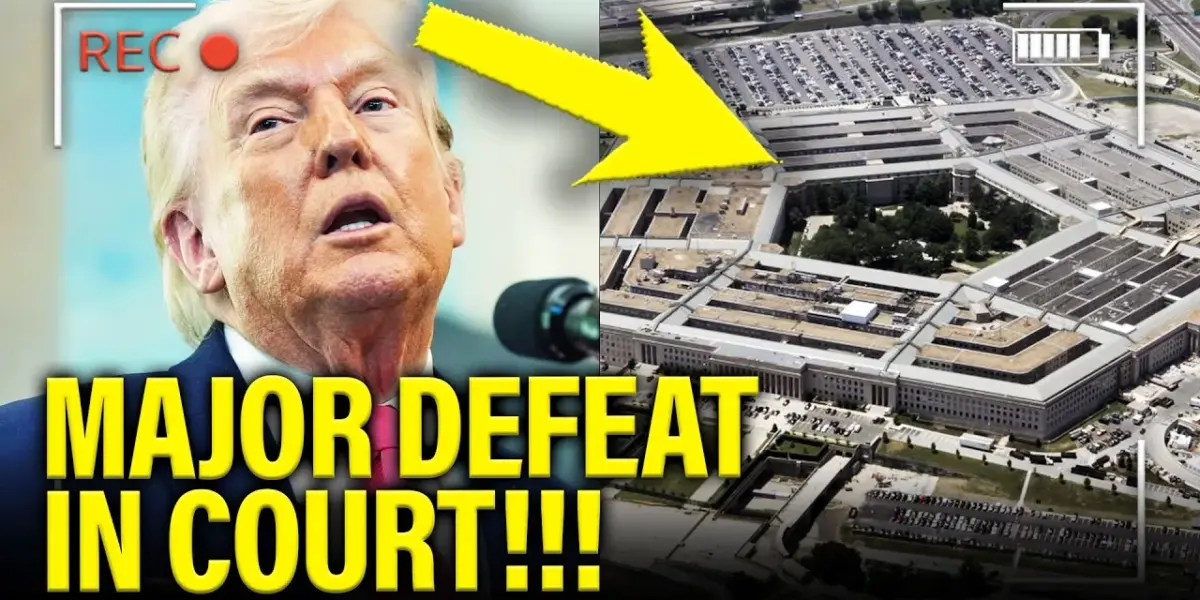
Judge Cites First Amendment in Pentagon Press Access Ruling
A federal judge has once again ruled against the Pentagon, stating that its actions to limit press access violate the First Amendment. Judge Friedman, a senior judge in Washington D.C., found that the Pentagon tried to get around his previous order. This order was meant to ensure reporters could do their jobs freely.
The issue started when the Pentagon introduced a new policy. This policy required reporters to sign a lengthy document. It said they needed escorts to move around the building. It also limited the types of questions they could ask. The Pentagon even suggested they could face criminal charges if they wrote things the government didn’t like. The New York Times sued to get credentials back for seven of its reporters. They were kicked out after refusing to sign the new policy.
Press Freedom Under Fire
The judge’s recent order highlights the importance of a free press. He reminded everyone that the First Amendment protects the press’s right to ask questions and report information. This is crucial for holding the government accountable, especially during times of conflict. The judge stated that the press serves the public, not the government.
“The press was to serve the governed, not the governors. The government’s power to censor the press was abolished so that it would remain free to censure the government.”
The judge was clearly unhappy that his earlier order was not followed. He had blocked the Pentagon’s 12-page policy. Yet, shortly after, the Pentagon issued a similar, even stricter policy. They also closed off a key area where reporters worked, calling it the “correspondence corridor.” They claimed they were building a new space, but offered no timeline.
Pentagon’s Actions Called Evasive
The judge saw these actions as a clear attempt to avoid his order. He said the Pentagon’s new policy was an “unreasonable restriction” on journalists. He called it “viewpoint discrimination,” which the Supreme Court strongly dislikes. The judge noted that the Pentagon’s goal was not just to give reporters badges, but to allow them meaningful access. He felt the Pentagon was trying to “negate the impact” of his ruling.
The judge also pointed out that the Pentagon brought in a former Trump lawyer to help create the new policy. This lawyer, Tim Parlatore, was previously involved in managing Pentagon press interactions. The judge felt this showed a deliberate effort to control the narrative and limit what the public could learn.
The Role of the Fourth Estate
The video explains the concept of the “fourth estate.” This refers to the press as a vital part of democracy, alongside the other three branches of government: the judiciary, executive, and legislative. The fourth estate’s job is to watch over the others and inform the public.
The judge’s opinion was influenced by public support. He received many letters and postcards from citizens. These people explained how important a free press is to them. One letter read, “A free press is essential to the success of our democratic republic. The people are the government, and they cannot make good, well-informed choices without all of the facts.” The judge included this sentiment in his ruling, showing that public opinion matters in these legal battles.
Concerns About Who Gets Access
The analysis also raises concerns about who is being given access to Pentagon briefings. Instead of legitimate journalists, the video claims the briefing room is sometimes filled with social media influencers and commentators with strong political leanings. Figures like Laura Loomer and Matt Gaetz are mentioned as examples of people who are reportedly attending briefings and asking questions.
This is seen as a departure from the role of the fourth estate. The concern is that these individuals may not be focused on objective reporting but rather on pushing specific political agendas. This further fuels the worry that the government is trying to control the information flow and present only a specific message to the public.
Why This Matters
This case is important because it directly addresses the balance of power between the government and the press. The First Amendment is designed to protect journalists so they can investigate and report on government actions without fear of reprisal. When a government agency tries to restrict press access or control the information reporters can gather, it weakens democracy.
A well-informed public is essential for a functioning democracy. The press plays a key role in providing that information. If access is limited or controlled, citizens cannot make informed decisions about their government. This ruling is a victory for press freedom, reinforcing the idea that the government cannot hide information from the public it serves.
Looking Ahead
The judge’s strong words and repeated rulings suggest this issue is far from over. The Pentagon may continue to test the boundaries of press access. However, this ruling provides a strong legal precedent. It shows that courts will likely uphold the First Amendment rights of journalists.
The trend of governments attempting to control information is a global concern. This case in the U.S. highlights the ongoing struggle to maintain transparency. The public’s voice, as shown by the letters to the judge, can play a significant role in these struggles. Future access to information and the government’s relationship with the press will continue to be a critical area to watch.
Source: Trump CAUGHT in MAJOR VIOLATION by Judge…AGAIN!! (YouTube)

Related Articles

US Faces Global Backlash Over ‘Imperial Overreach’
Growing criticism suggests the United States is overextending its global power, alienating allies and citizens alike. This analysis explores the perceived shift from a republic to an empire, the internal debates on patriotism, and the manipulation of fear and beliefs. The piece emphasizes the importance of democratic participation as a means to reclaim the nation's founding ideals.
Trump Threatens Media Over Ceasefire Report
Donald Trump has escalated his conflict with CNN, threatening investigations after the network reported on Iran's claims regarding a ceasefire agreement. This action raises serious concerns about press freedom and potential government overreach.

Pentagon’s Press Gag Order Overturned by Judge’s Ruling
A federal judge has ordered the Pentagon to grant full press access, ruling that a new policy restricting journalists was a violation of a prior court order. The New York Times sued the Department of Defense over an agreement requiring reporters to avoid seeking unauthorized information, which a judge previously deemed unconstitutional.