US-Iran Talks Collapse: Trump’s Dealmaking Falters
Recent U.S.-Iran negotiations in Pakistan have collapsed, with both sides blaming the other for changing the framework and imposing demands. The failure raises concerns about renewed conflict and highlights deep-seated mistrust.

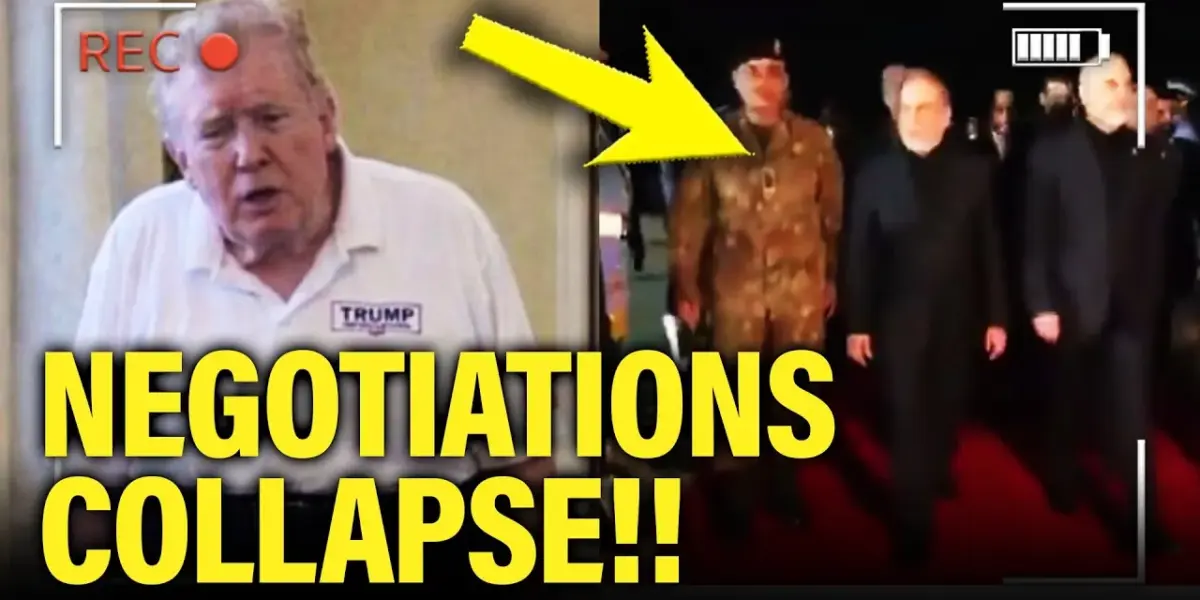
US-Iran Talks Collapse: Trump’s Dealmaking Falters
Negotiations between the United States and Iran in Islamabad, Pakistan, have ended without an agreement. The talks, which aimed to build on a potential ceasefire, broke down after the U.S. reportedly tried to change the initial framework. This failure suggests a renewed risk of conflict between the two nations.
A Stalled Peace Process
The discussions in Islamabad were meant to follow a 10-point framework proposed by Iran. This framework initially included terms for a ceasefire and further negotiations. President Trump had previously indicated a willingness to negotiate within this structure. However, once talks began, the U.S. side, represented by figures like JD Vance, reportedly sought to impose new demands.
According to reports, Iran refused these changes, leading to the collapse of the negotiations. JD Vance stated that Iran did not accept the U.S. “ultimatum and demands.” He emphasized that this outcome is more detrimental to Iran than to the United States. The U.S. team claimed to have been flexible and accommodating, presenting clear “red lines” that Iran ultimately did not accept.
Conflicting Accounts of the Framework
Sources suggest a significant disagreement over the negotiating framework itself. Iran’s state media indicated that “excessive demands” from the American side, particularly concerning control of the Strait of Hormuz, prevented a common ground. Before the official announcement of failure, Iran’s perspective was that the U.S. had shifted the entire basis of the talks upon arrival.
The U.S. team, however, maintained that they made a good-faith effort. JD Vance stated, “We just could not get to a situation where the Iranians were willing to accept our terms.” He specifically mentioned the need for an “affirmative commitment” from Iran to not pursue nuclear weapons, a point he claimed Iran refused to agree to. This contradicts earlier understandings where Iran’s 10-point plan reportedly allowed for continued uranium enrichment.
Strait of Hormuz: A Point of Contention
A major sticking point appears to be the Strait of Hormuz, a vital waterway for global oil transport. Reports indicate the U.S. wanted control over the strait, possibly through a joint venture, which Iran rejected. Iran maintains its own authority in the region and has warned of a “firm response” to any military vessels attempting to pass through.
An incident in the Strait of Hormuz further complicated matters. The U.S. claimed to have conducted a successful mine-sweeping mission with two destroyers. However, independent reports and Iran’s own statements suggest the U.S. destroyers turned back when confronted by the Iranian navy. While Chinese and Indian vessels reportedly passed through, the U.S. claim of a successful mission was later disputed.
Broader Geopolitical Context
The breakdown in talks occurs amid reports that China is increasing weapons and supplies to Iran. This includes anti-air and anti-aircraft systems, which could be critical if conflict escalates. The situation also highlights a history of complex negotiations between the U.S. and Iran, often marked by shifting demands and mistrust.
Historically, negotiations between these two nations have been fraught with difficulty. Past agreements have been fragile, and periods of tension have often followed. Donald Trump himself has a history of public statements on Iran, once tweeting, “Iran never won a war but never lost a negotiation.” However, this recent event suggests a different outcome.
Why This Matters
The failure of these negotiations carries significant weight. It raises the immediate prospect of renewed hostilities in a volatile region. The inability to find common ground, even after initial agreement on a framework, points to deep-seated mistrust and conflicting interests.
For the United States, the collapse raises questions about its negotiating strategy and its ability to de-escalate tensions. For Iran, the perceived American “excessive demands” could strengthen hardline factions and increase its reliance on other global powers like China. The impact on global markets, particularly oil prices, remains a concern.
Future Outlook
With talks officially off, the immediate future points towards continued tension and a potential increase in military posturing. The U.S. is now left to consider its next steps, while Iran may feel emboldened by its perceived success in resisting American demands. The role of international diplomacy in resolving such complex issues remains crucial, but the recent events cast doubt on its effectiveness in this particular case.
The situation underscores the delicate balance of power in the Middle East. The outcome of these failed talks could influence regional alliances, military strategies, and the global energy landscape for months to come.
Source: 🚨Trump and Iran NEGOTIATIONS COLLAPSE in Pakistan!!! (YouTube)

Related Articles

US-Iran Talks Collapse: War Looms After Summit Fails
US-Iran peace talks in Islamabad have collapsed after the Trump administration reportedly tried to change the negotiating framework. Senator JD Vance announced the breakdown, stating Iran refused U.S. demands, signaling a likely return to conflict. The failure occurred while President Trump attended a UFC match.

Iran Talks Collapse: No Deal on Nuclear or Strait Fees
International talks aimed at halting Iran's nuclear program have collapsed, with negotiators returning home without a deal. Key disagreements over uranium enrichment and control of the Strait of Hormuz remain unresolved, raising concerns about regional stability and oil prices.
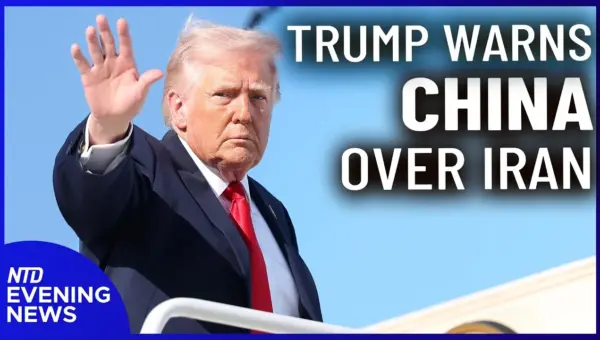
Trump Warns China on Iran Arms: A Global Power Play
Former President Donald Trump has issued a stern warning to China, cautioning against supplying weapons to Iran. This geopolitical statement comes amid U.S. diplomatic efforts in Pakistan and military operations in the Strait of Hormuz. The warning highlights potential U.S.-China friction and its global implications.