US Pilot’s Daring Rescue Spurs Iran Ceasefire Talks
A U.S. pilot's daring rescue from Iran has paved the way for ceasefire talks, highlighting geopolitical tensions and diplomatic efforts. Domestically, the week saw continued focus on border security, support for crime victims, and legislative wins against online exploitation.

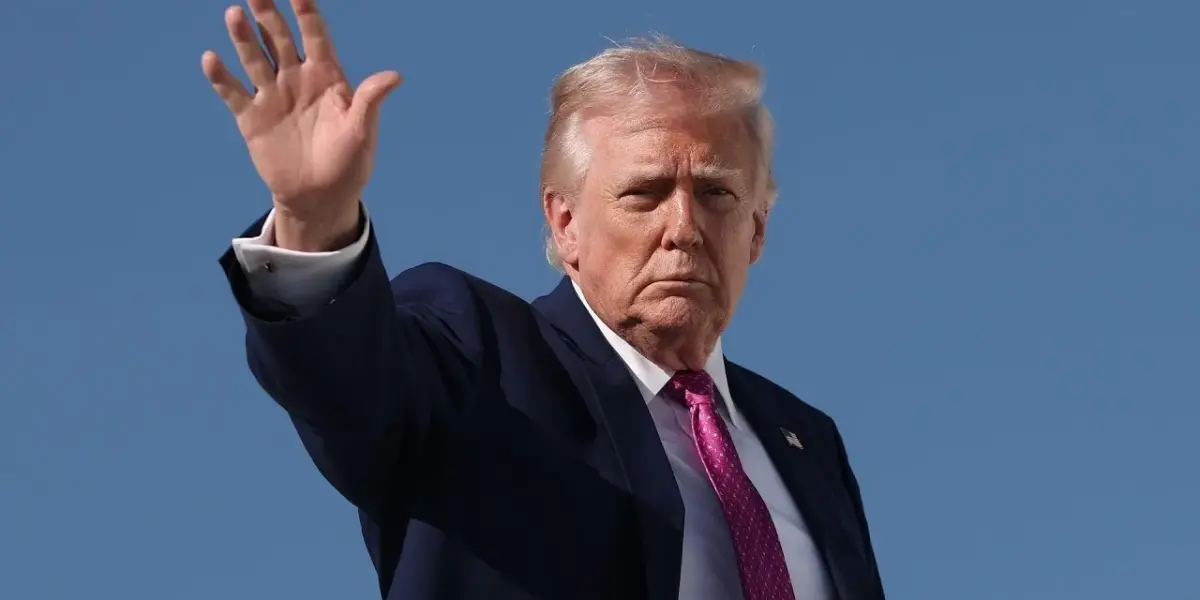
US Pilot Rescued in Iran, Leading to Ceasefire Discussions
A dramatic rescue of a U.S. pilot in Iran has become a central focus of White House discussions this week. The pilot, whose fighter jet was shot down, faced extreme conditions after being stranded. Reports indicate the airman scaled a 7,000-foot mountain ridge, treated his own wounds, and managed to contact American forces. The CIA reportedly used a deception campaign to mislead Iranian forces searching for the pilot, who was also the subject of a significant bounty offered by Iran.
Following these events, President Trump announced a two-week, two-sided ceasefire with Iran. He stated that the U.S. had achieved all its military objectives and called Iran’s proposal a workable basis for future relations, suggesting a potential “golden age” for the Middle East. However, the President also expressed concern, noting Iran’s perceived shortcomings in upholding a key aspect of the agreement: keeping the Strait of Hormuz open. The agreement hinges on Iran reopening the straits in exchange for the ceasefire and negotiations.
Diplomatic Efforts and Border Security
Vice President JD Vance is leading negotiations with Iran and Pakistan this weekend, aiming to solidify the emerging agreements. Amidst these diplomatic maneuvers, President Trump also publicly questioned NATO’s support, stating the alliance was not present when the U.S. needed assistance. NATO Secretary Mark Rut visited the White House this week, acknowledging the President’s disappointment, which is shared by many allies.
On the domestic front, the Department of Homeland Security reported that Border Patrol has had zero releases at the southern border for eleven consecutive months. The Trump administration also hosted “angel families” in Washington D.C. to mark the one-year reopening of the Voice Office. This office supports victims of crimes committed by individuals who are in the country illegally. The office had been closed by the previous administration. One mother shared her grief, speaking about her son, Ronald Silva, who was murdered at 29 years old.
Legislative Wins and Education Policy
This week also marked the first conviction under the Take It Down Act, a law championed by First Lady Melania Trump. This legislation protects individuals from non-consensual, AI-generated sexually explicit images. The initial case involved a man from Ohio who pleaded guilty to cyberstalking and creating child abuse material.
In education, the Trump administration is reversing prior Title 9 agreements related to gender identity rules in schools. The administration emphasizes that Title 9 is intended to ensure equal athletic opportunities for women and girls based on their sex. Several individuals shared personal experiences of being forced to compete against biological males in school sports.
Infrastructure and Lunar Exploration
New guidance has been issued by the White House to expedite environmental reviews for infrastructure projects. The goal is to reduce red tape and costs, allowing projects to move forward more quickly while still upholding environmental standards. This is achieved through an expanded use of categorical exclusions.
In a remarkable scientific achievement, the Artemis 2 mission captured the first flyby images of the moon from astronauts. These images reveal previously unseen regions and documented a rare in-space solar eclipse. The astronauts described the experience as profound, including the fiery reentry into Earth’s atmosphere.
Why This Matters
The daring rescue of the U.S. pilot from Iran highlights the complex and often perilous geopolitical situations the nation navigates. It demonstrates the capabilities of U.S. military and intelligence operations, while also serving as a catalyst for diplomatic engagement. The subsequent ceasefire talks, though fragile, represent an opportunity to de-escalate tensions in a volatile region. The emphasis on the Strait of Hormuz underscores its critical importance to global trade and security.
Domestically, the consistent zero releases at the border signal a firm stance on immigration enforcement, a key issue for many voters. The recommitment to supporting victims of crimes committed by individuals in the country illegally through the Voice Office offers a sense of justice and recognition for those affected. The success of the Take It Down Act in its first conviction is a significant step in protecting individuals, particularly children, from harmful online exploitation, especially with the rise of AI technologies.
The policy changes regarding Title 9 and the acceleration of infrastructure projects point to distinct priorities in education and economic development. The Title 9 changes reflect a focus on biological sex in athletics, while the infrastructure guidance aims to stimulate growth by streamlining regulatory processes. The images from the Artemis 2 mission, meanwhile, inspire awe and remind us of humanity’s ongoing quest for exploration and scientific discovery, pushing the boundaries of what we know about our solar system.
Looking Ahead
The success of the ceasefire with Iran remains to be seen, particularly regarding the adherence to all agreed-upon terms like the opening of the Strait of Hormuz. Continued diplomatic efforts with Iran and Pakistan will be crucial. The long-term impact of the U.S. stance on border security will also be closely watched. The ongoing application of laws like the Take It Down Act will be important in combating online exploitation. As technology advances, especially AI, policies addressing its misuse will need to evolve. The education policy shifts regarding Title 9 could lead to further debate and legal challenges. Finally, the pace and effectiveness of infrastructure development under the new environmental review guidelines will be a key indicator of economic policy success. The Artemis missions continue to pave the way for future human exploration beyond Earth.
Source: White House Week in Review: Daring Rescue, Iran Ceasefire, Rare Moon Photos (YouTube)

Related Articles


US Reclaims Moon Lead with Artemis Success
NASA's Artemis 2 mission successfully returned to Earth, bringing the Orion capsule and its four astronauts home after a historic lunar journey. This achievement reasserts U.S. leadership in space exploration and sets the stage for future lunar missions.


Victims’ Voices Demand Action on Immigration Crime
A year after its relaunch, the VOICE program highlights the human cost of crimes by undocumented immigrants. The discussion reveals deep divisions on how to address these tragedies and fix a broken immigration system, with calls for accountability clashing with debates over mass deportation and pathways to citizenship.


Navy Divers Ready for Artemis Astronaut Recovery Mission
U.S. Navy divers are undergoing rigorous training and are on high alert for the upcoming Artemis 2 astronaut recovery. Retired Navy diver Thomas McConnell highlighted the intense anticipation, meticulous preparation, and critical safety protocols involved in welcoming the astronauts back to Earth after their historic mission.