Astronaut Warns: Moon Return Dangers Threaten NASA’s Future
Former astronaut Jeffrey A. Hoffman highlights the extreme dangers of the Artemis II reentry. This critical phase is vital for NASA's future plans to return humans to the Moon and beyond.

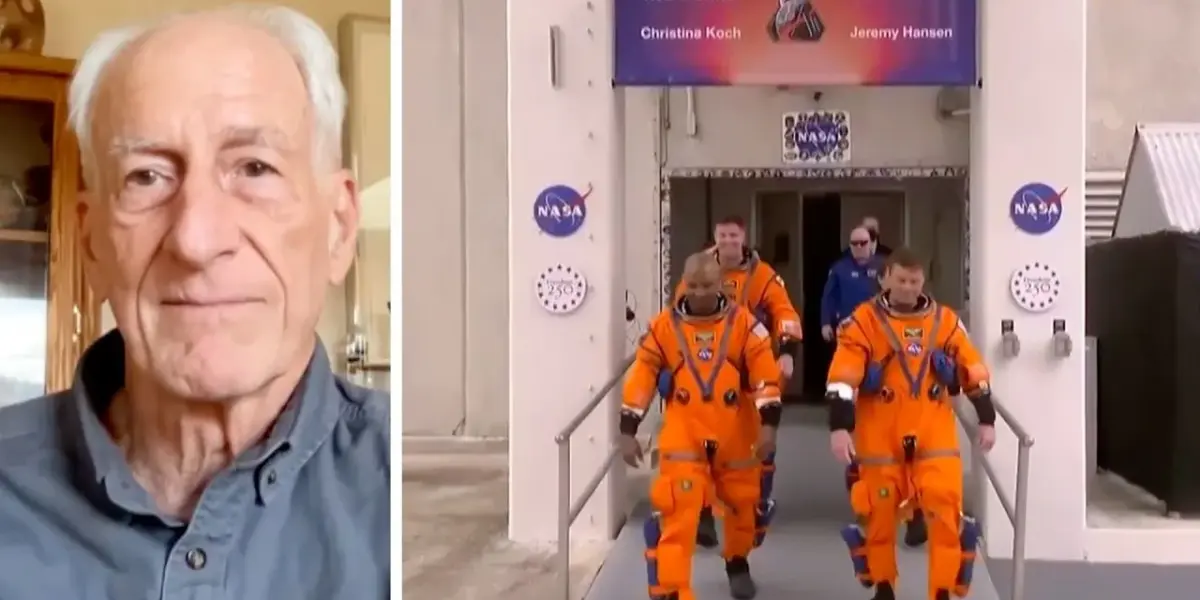
Astronaut Warns: Moon Return Dangers Threaten NASA’s Future
The Artemis II mission is nearing its end, and for the four astronauts aboard, the most dangerous part is just beginning. They are hurtling back to Earth at incredible speeds after traveling farther from our planet than any humans before. This fiery reentry and splashdown are critical. A former NASA astronaut, Jeffrey A. Hoffman, shared his insights on what the crew will face and why this moment is vital for America’s space ambitions.
The Ultimate Test of Engineering
Imagine a car driving at over 25,000 miles per hour. Now imagine that car hitting the Earth’s atmosphere. That’s the kind of speed Artemis II’s capsule, Orion, will experience. The friction with the air creates immense heat, turning the sky fiery orange. This is not just a light show; it’s a test of the spacecraft’s heat shield, which must withstand temperatures hotter than lava. If the shield fails, even slightly, the consequences could be catastrophic for the crew.
Hoffman explained that this phase is so intense because the capsule has no engines to slow it down. It relies entirely on the Earth’s atmosphere to brake. Think of it like a skydiver opening their parachute; the air slows them down. However, Orion is doing this at speeds far beyond anything a skydiver experiences. The spacecraft is designed to shed heat and manage the extreme forces. It’s a carefully calculated descent, balancing speed with safety.
Why This Matters: Paving the Way for More Moon Missions
The success of the Artemis II reentry is more than just bringing the astronauts home safely. It’s a crucial step for NASA’s larger goal: returning humans to the Moon and eventually sending them to Mars. Artemis II is a test flight. It’s designed to check out all the systems, especially those related to human life support and reentry, before astronauts actually land on the Moon.
If the reentry goes perfectly, it proves that NASA’s technology is ready for the challenges ahead. It builds confidence in the Orion capsule and the entire Artemis program. However, any major problems during this phase would force NASA to re-evaluate its plans. This could mean delays and require significant redesigns, costing time and money. The stakes are incredibly high, not just for the four astronauts, but for the future of human space exploration beyond Earth orbit.
Historical Context: Lessons from the Past
NASA has a long history with high-speed reentries. The space shuttle program, which Hoffman is a veteran of, also faced similar challenges. While the shuttle was designed to land like an airplane, its reentry was still a period of intense risk. The Columbia disaster in 2003 tragically showed what can happen when even a small part of the reentry system is compromised during launch, leading to catastrophic failure upon hitting the atmosphere.
These past experiences serve as constant reminders for NASA. Every mission, especially those pushing the boundaries like Artemis, is built on lessons learned from previous successes and failures. The agency meticulously studies every detail of the reentry process, from the heat shield’s performance to the parachute deployment. The goal is to ensure that the risks are managed to the lowest possible level.
The Crew’s Experience: A Rollercoaster Ride
What does it feel like for the astronauts inside? Hoffman described it as a very intense experience. The crew will be pressed back into their seats by the G-forces, similar to what a fighter pilot might feel. They will see a bright orange glow outside their windows as the heat shield does its job. Communication with mission control might be briefly interrupted due to the plasma surrounding the capsule.
For about ten minutes, the astronauts are essentially passengers. They can’t steer or control the capsule directly. Their training focuses on monitoring the spacecraft’s systems and being ready to respond if something unexpected happens. It’s a period demanding intense focus and trust in the engineering that brought them this far. The final moments involve the deployment of parachutes, slowing the capsule for a splashdown in the ocean.
Looking Ahead: The Future of Lunar Exploration
Artemis II is paving the way for Artemis III, which aims to land the first woman and the first person of color on the Moon. The success of Artemis II is a prerequisite for that historic landing. If Orion performs well during its return from lunar orbit, it validates the entire system needed for these more ambitious missions.
The journey to the Moon and back is complex and fraught with danger. Each phase, from launch to reentry, must be executed flawlessly. The Artemis II reentry is the final, critical test before NASA can confidently proceed with landing astronauts on the lunar surface. It represents not just a return to the Moon, but a significant step in humanity’s journey to explore the cosmos.
Source: Artemis II Returns From Moon Mission: Former Astronaut on High-Stakes Reentry (YouTube)

Related Articles


Artemis II Astronauts Share Moon Journey; NYC Machete Attack; Iran Peace Talks
Astronauts from the Artemis II mission shared their experiences after returning from their historic journey around the moon. Meanwhile, New York City is investigating a shocking machete attack on a subway platform. High-stakes peace talks are also underway between U.S. and Iranian officials aimed at ending a major regional conflict.


New Moon Age Dawns: Artemis II Fuels Future Space Race
Artemis II's successful return marks humanity's farthest journey from Earth in over 50 years, reigniting lunar exploration. The mission highlights engineering triumphs and sets the stage for future Moon bases, resource utilization, and a new era of space competition.


Artemis II: A Giant Leap Inspiring Unity and a New Space Age
The Artemis II mission successfully returned astronauts to Earth, marking a new era of space exploration. Experts discuss the challenges of re-entry, lessons learned, and the mission's potential to inspire unity and secure American leadership in space.