Congress Faces War, Shutdown Chaos Upon Return
Congress returns to a nation grappling with a prolonged government shutdown and heightened international tensions. Lawmakers face pressure to fund agencies, pass key legislation, and address military readiness amid global competition. The coming weeks will test their ability to navigate these complex challenges.

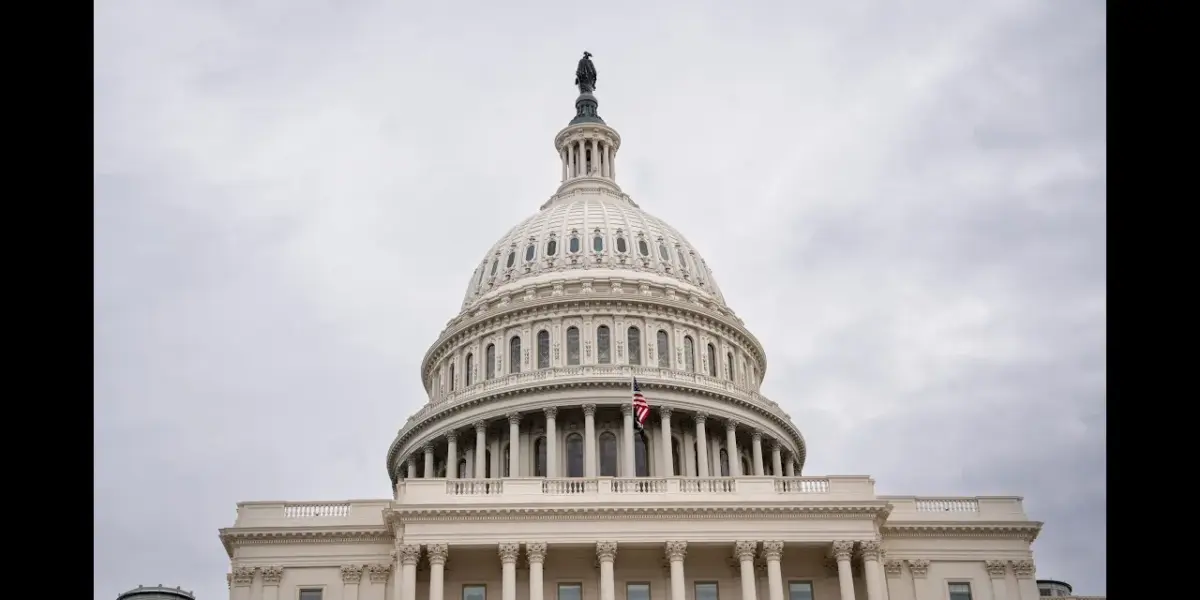
Congress Returns to a Nation on Edge
Lawmakers are heading back to Washington next week. They face a messy situation. A partial government shutdown has already lasted 55 days. On top of that, tensions with Iran have been high. A recent conflict has just cooled down with a ceasefire. These major issues will be front and center as Congress gets back to work.
Military Readiness Takes Center Stage
Top military leaders are scheduled to appear before Congress. Starting Wednesday, commanders from all branches of the military will testify. They will discuss the readiness of our armed forces. Defense officials will also brief lawmakers. They will explain missile defense systems. These systems were tested during the recent conflict with Iran. This focus highlights concerns about national security and defense capabilities in a changing world.
Beyond the Battlefield: Global Competition
The challenges facing Congress extend beyond military conflicts. There is also a growing concern about global competition. Specifically, China’s advancements are a focus. A House committee will look into China’s efforts. They want to understand how China is trying to get ahead in artificial intelligence. This shows that lawmakers are thinking about long-term strategic challenges, not just immediate crises.
Domestic Priorities Demand Attention
While foreign policy and defense are critical, Congress cannot ignore domestic issues. Several important bills are on the table. In the Senate, debate is set to restart on the Save America Act. Senator Mike Lee is pushing for its passage. He stated on X, “Early next week, we’ll be taking up the Save America Act again. We need to stay on it until it passes.”
Meanwhile, the House is still struggling with funding for the Department of Homeland Security. This is a key part of the ongoing shutdown fight. It affects border enforcement, immigration services, and disaster response. These are vital functions for the country’s safety and well-being.
A Packed Schedule of Hearings
Committees across Congress have a full agenda. Oversight committees will investigate fraud in federal programs. Budget hearings in both the House and Senate will cover the president’s 2027 budget proposal. Health and Human Services Secretary Robert F. Kennedy Jr. is also expected to testify twice. He will appear before both the Ways and Means and Appropriations committees. This busy schedule shows the many areas Congress must address.
Looking Ahead: Reconciliation and Deadlines
In other developments, Senator Lindsey Graham and John Barrasso met with former President Trump on Friday. Following the meeting, a statement was released. It indicated that reconciliation efforts are proceeding well. Funding for the Department of Homeland Security is reportedly moving forward. The statement also suggested that a bill could be completed by June 1st. This could potentially resolve a major sticking point in the shutdown debate.
Why This Matters
The return of Congress comes at a critical time. The ongoing government shutdown creates uncertainty and impacts federal services. The recent conflict with Iran, though currently under a ceasefire, highlights the need for strong defense and clear foreign policy. Lawmakers must balance these urgent national security concerns with vital domestic needs. The debate over Homeland Security funding, in particular, affects everyday life and public safety. Furthermore, addressing global competition, like China’s AI advancements, is crucial for America’s future economic and strategic standing.
Implications and Future Outlook
The coming weeks will be a test of Congress’s ability to function. Passing essential legislation and funding agencies will be difficult with so many competing priorities. The outcome of the Homeland Security funding debate could set a tone for future bipartisan cooperation, or lack thereof. The focus on military readiness and global competition suggests a shift towards addressing long-term strategic challenges. However, the immediate need to end the shutdown and pass key domestic bills remains paramount. The influence of former President Trump on ongoing negotiations also signals a complex political dynamic that will shape legislative outcomes.
Historical Context
Government shutdowns are not new in American history. They often occur when Congress cannot agree on spending bills. These shutdowns can have significant economic and social consequences. The current shutdown, lasting over 55 days, is one of the longest on record. It underscores the deep political divisions that have persisted for years. Tensions with Iran have also been a recurring theme in U.S. foreign policy. The ongoing efforts to manage these relationships, alongside domestic challenges, reflect a complex and often turbulent political environment.
Source: Congress to Return Amid War, Shutdown Pressure (YouTube)

Related Articles

Congress Faces War, Shutdown as Iran Conflict Cools
Congress returns to a nation grappling with a lengthy government shutdown and heightened geopolitical tensions following recent conflict with Iran. Lawmakers face pressure to fund agencies, pass key legislation, and address national security concerns, including global competition with China.
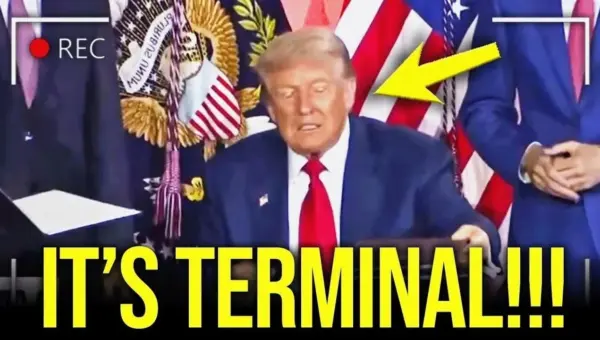
Trump’s Health Questioned: Experts Raise Alarm
Concerns about Donald Trump's cognitive state are growing, with former officials and even some supporters raising alarms. Discussions now include the potential use of the 25th Amendment and calls for formal cognitive assessments, citing erratic public statements and contradictory remarks. Experts and family members worry about his fitness for office and the potential risks to national security.


Rep. Swalwell Faces Probe Over Sexual Assault Allegations
Representative Eric Swalwell is under investigation by the Manhattan DA over sexual assault allegations. Multiple women have come forward with accusations of sexual misconduct, leading prominent supporters to withdraw endorsements. Swalwell denies the claims but faces mounting pressure.