Iran Talks: US Eyes Regime Change or Military Might
The U.S. is considering two main strategies for dealing with Iran: supporting regime change or building an international force to secure the Strait of Hormuz. These options come amid complex negotiations and concerns over Iran's nuclear program and regional influence.

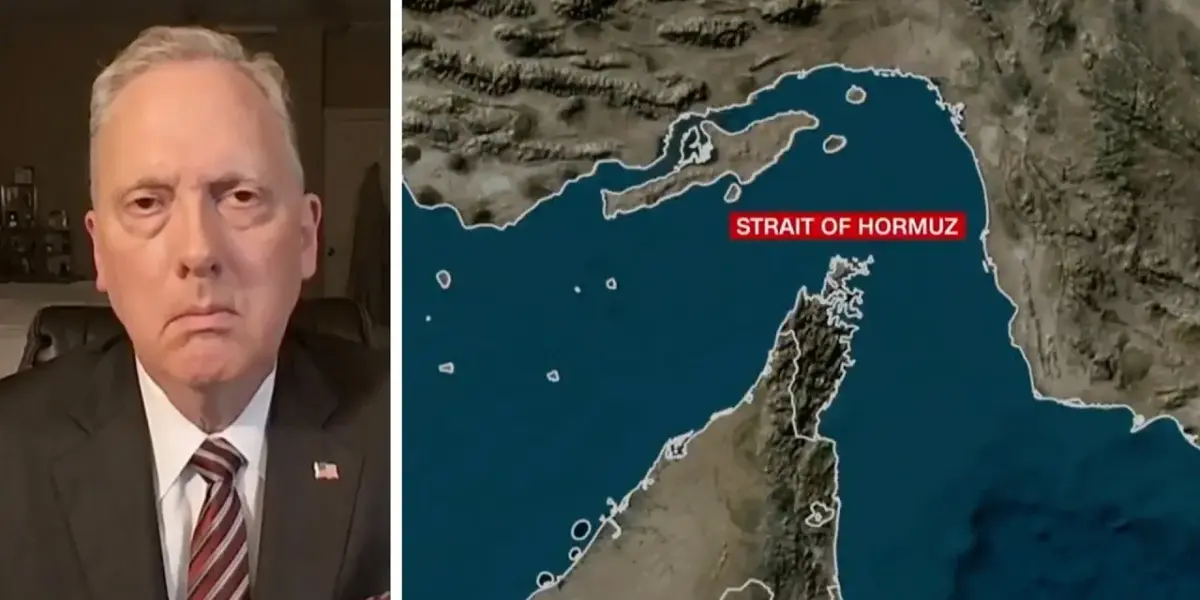
US Weighs Stark Options in Iran Standoff
The United States is exploring two very different paths regarding Iran, signaling a tough stance from President Trump and Vice President J.D. Vance. Vance recently departed for talks with Iran, stating the U.S. would offer an open hand if Iran negotiates honestly. However, he warned that any attempts to deceive the U.S. would be met with a less receptive negotiating team. This approach sets the stage for a critical evaluation of Iran’s willingness to engage in good faith.
Doubts Cloud Iran’s Negotiation Promises
Assessing Iran’s sincerity in negotiations presents a significant challenge. Reports suggest the Iranian government is deeply divided internally. While the Iranian foreign ministry is known for its history of misleading tactics, the real power may lie with the Iranian Revolutionary Guard Corps (IRGC). The IRGC reportedly wants to maintain control over the Strait of Hormuz and keep their enriched uranium stockpile, which is seen as central to the regime’s strategy of causing chaos.
Nuclear Ambitions and Strait of Hormuz: Key Sticking Points
President Trump has consistently emphasized his primary goal: preventing Iran from obtaining nuclear weapons. However, the gap between a written agreement and a real-world outcome could be vast. The U.S. will closely watch if commercial traffic and oil flow freely through the Strait of Hormuz. They will also monitor Iran’s enriched uranium levels. The success of these negotiations will be measured in weeks, not months, by observing these concrete developments.
Two Paths Forward for U.S. Policy
Retired Army Intel Officer Chuck D’Vor outlined two broad outcomes the U.S. might accept. The first, less discussed publicly by the U.S., is a complete change of leadership within Iran. This scenario envisions the Iranian people overthrowing the current theocratic government. The second option involves weakening Iran’s military forces, particularly the IRGC. This would allow Gulf Arab nations, Japan, and Western Europe to form a protective force. Such a force would ensure safe passage for ships through the Strait of Hormuz, guarding against drone, mine, or missile attacks.
Europe’s Hesitation and the Global Energy Picture
While a multinational naval force in the Strait of Hormuz is a possible solution, European nations have shown reluctance to commit forces. This hesitation complicates efforts to secure vital shipping lanes. The situation also has broader implications for global energy markets, particularly for China. Restrictions on oil from Iran and Venezuela drive up China’s energy costs. China has been investing in alternative fuel sources, like coal-to-liquids technology, similar to programs developed by Nazi Germany. Additionally, China’s increasing reliance on Russian oil is becoming more vulnerable, as Ukraine’s longer-range weapons systems have damaged Russian export terminals and refineries.
Iran’s Media Strategy: Propaganda vs. Reality
President Trump has commented on Iran’s skill in handling media, suggesting they are more adept at public relations than combat. D’Vor highlighted a stark contrast between how Iranian actions are reported in the Arab press, especially from Gulf Arab nations, and how they appear in Western media. He noted that even outlets like Al Jazeera, traditionally critical of the U.S., seem to adhere more closely to the facts on the ground. In contrast, Western media coverage is often negative towards the U.S. D’Vor believes Iran has successfully positioned itself as an oppressed nation, using propaganda to manipulate Western media into viewing them as victims rather than aggressors.
The Echo Chamber of Anti-American Narratives
This propaganda effort extends to China, which has also promoted anti-American narratives mirroring Iran’s messaging. This highlights the importance of critically evaluating news and social media content. Understanding these differing perspectives is crucial for forming an accurate picture of the ongoing conflict and its implications.
Why This Matters
The U.S. approach to Iran carries significant weight for global stability, energy security, and regional politics. The potential for regime change or a military buildup in the Strait of Hormuz could dramatically alter the Middle East. China’s energy concerns and Russia’s involvement add layers of complexity to international relations. Furthermore, the way information is framed and disseminated through global media influences public perception and diplomatic outcomes, making media literacy a critical skill for citizens navigating these complex geopolitical issues.
Historical Context
The current tensions echo decades of complex U.S.-Iran relations, particularly following the 1979 Iranian Revolution. The establishment of the Islamic Republic introduced a theocratic government that has often clashed with Western powers. The IRGC, a powerful military and economic force, has played a key role in Iran’s regional policies and its pursuit of nuclear capabilities. The Strait of Hormuz, a vital global oil transit route, has been a frequent point of contention, with Iran occasionally threatening to disrupt shipping, prompting international concern and naval presence.
Future Outlook
The coming weeks will be crucial in determining the trajectory of U.S.-Iran relations. The success or failure of Vance’s negotiations will likely dictate whether the U.S. pursues a more diplomatic or a more assertive path. The potential for internal Iranian shifts, coupled with international efforts to secure shipping lanes, suggests a period of heightened uncertainty. The influence of media narratives from both regional and global powers will continue to shape perceptions and reactions, making it imperative for observers to seek diverse and reliable sources of information.
Source: Retired Intel Officer Discusses 2 Approaches for True and Complete Regime in Iran (YouTube)

Related Articles

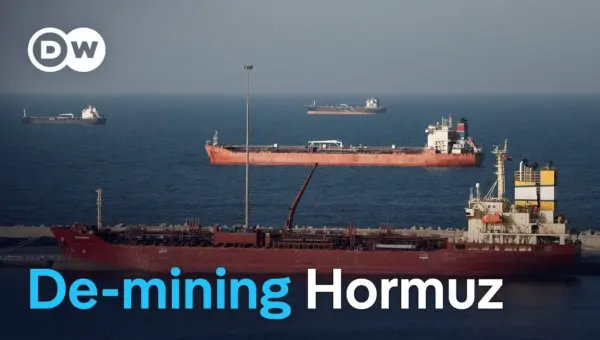
US Warships Clear Strait of Hormuz Amid Mine Threats
US warships are reportedly sweeping the Strait of Hormuz for mines amid escalating tensions with Iran. While the US claims progress, experts note a lack of dedicated mine-clearing vessels in the region and question the current mine threat. The situation's resolution may depend on ongoing peace negotiations.
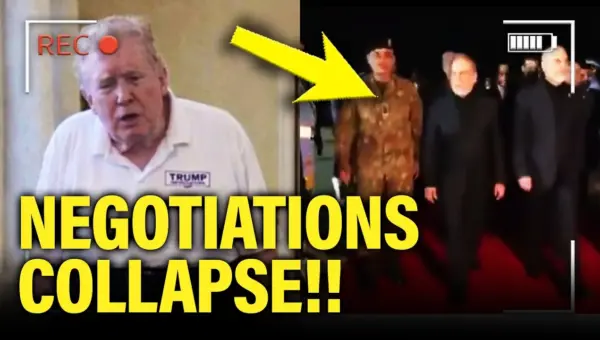
US-Iran Talks Collapse: Trump’s Dealmaking Falters
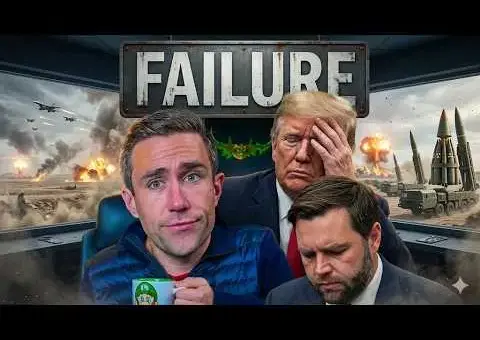
Recent U.S.-Iran negotiations in Pakistan have collapsed, with both sides blaming the other for changing the framework and imposing demands. The failure raises concerns about renewed conflict and highlights deep-seated mistrust.

Iran Talks Collapse: No Deal on Nuclear or Strait Fees
International talks aimed at halting Iran's nuclear program have collapsed, with negotiators returning home without a deal. Key disagreements over uranium enrichment and control of the Strait of Hormuz remain unresolved, raising concerns about regional stability and oil prices.