Draft Registration Sparking Fears of War
A new law automatically registers men aged 18-25 for the military draft, sparking fears of a return to conscription. This change, coupled with rising global tensions and aggressive presidential rhetoric, raises questions about public willingness to engage in future conflicts and the government's use of citizen data.

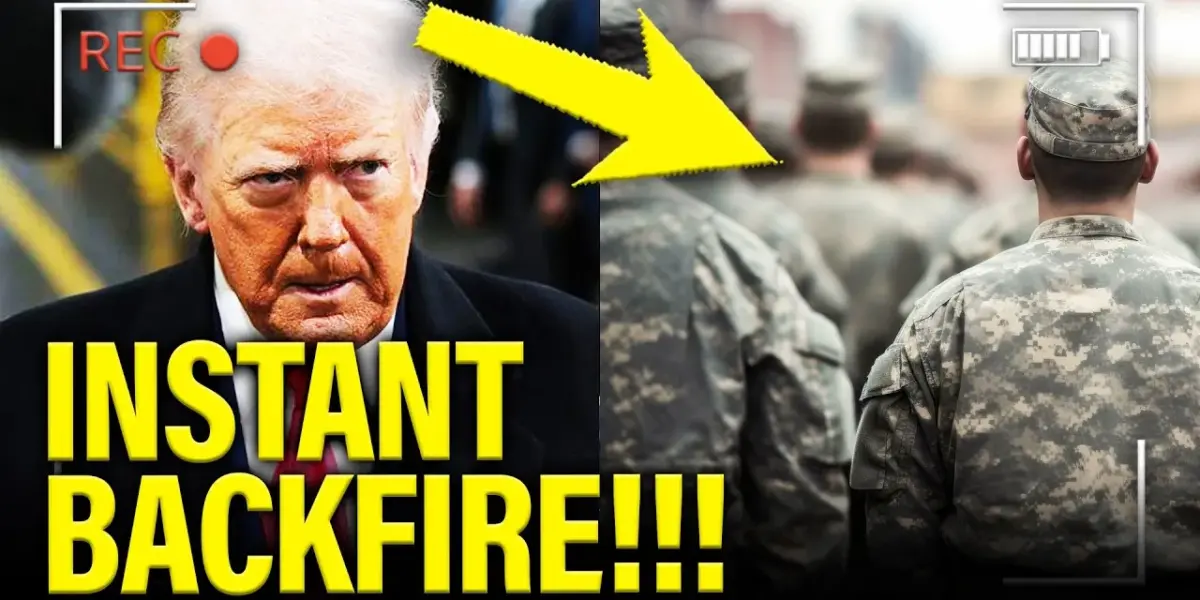
New Draft Rules Raise Alarms Amidst Global Tensions
A recent change in how men are registered for the military draft has sparked significant concern among parents and citizens. Starting in December, all men between the ages of 18 and 25 will be automatically added to the Selective Service System. This new rule, tucked into a bipartisan defense bill signed by President Trump late last year, means young men will no longer have to register themselves. The government will now use federal information to find and register eligible individuals.
This development comes as the United States faces growing worries about potential conflicts with nations like China and Russia. The military draft has not been used since the Vietnam War, a period marked by widespread public opposition. The automatic registration process is seen by some as a step towards making a draft more feasible, especially if the nation were to become more deeply involved in overseas conflicts.
Concerns Over Escalating Military Actions
Critics point to President Trump’s rhetoric and actions as contributing to increased global tensions. His social media posts have been described as inflammatory, and the White House has not ruled out the possibility of a draft. This has led to fears that the administration is not fully considering the public’s willingness to send young Americans into combat.
“If they do that, then the war is going to fail really quickly because I just don’t think the American people are willing to to saddle up their their sons and daughters for the draft.”
The transcript suggests that while a draft is not currently part of the plan, President Trump, as commander-in-chief, wants to keep all military options open. This approach, while defended as wise by some, is viewed by others as a dangerous gamble that could lead to wider conflict. The automatic registration system makes it easier for the government to implement a draft if deemed necessary, a prospect that deeply troubles many.
Historical Context: The All-Volunteer Force and the Draft
The United States has relied on an all-volunteer military since the end of the Vietnam War. Before that, the draft was a contentious issue, deeply dividing the nation. The widespread opposition to the Vietnam War, fueled in large part by the draft, is often credited with helping to end the conflict.
Some argue that the all-volunteer force, while creating a professional military, has also made it easier for the U.S. to engage in prolonged conflicts. Because only volunteers are serving, the burden of war is not directly felt by the broader population. This can lead to a disconnect between the public and the ongoing military operations.
An interesting counterpoint raised is that a draft, or compulsory service, could act as a check on the nation’s willingness to go to war. If more citizens were required to serve, the personal impact of military action would be more widely understood. This shared experience might make prolonged or unnecessary conflicts harder to sustain.
Voter Registration Laws and Data Use
The discussion around draft registration has also drawn parallels to debates about voter registration. A proposed voter registration act, known as the Save Act, aims to ensure that only eligible citizens vote. Critics argue that the government already possesses the necessary data to verify citizenship for voting purposes, citing the use of federal information for automatic draft registration.
The argument is that if the government can use citizen data to automatically register individuals for military service, knowing they are willing to send them to war, it could certainly use the same data to automatically register eligible citizens to vote. This highlights a perceived hypocrisy in making voter registration more cumbersome while simplifying draft registration.
Implications and Future Outlook
The automatic draft registration is a significant change after decades of relying on self-registration. It places the responsibility on the government to maintain an accurate list of all eligible men. This could streamline the process if a draft were ever needed, but it also raises questions about the government’s intentions and the public’s preparedness for potential military conscription.
The current geopolitical climate, coupled with the new registration law, creates a backdrop of uncertainty. The ease with which the government can now access and register potential draftees means that the option of a draft is more readily available than it has been in generations. Whether this leads to increased public engagement in foreign policy decisions or simply fuels greater anxiety remains to be seen.
The conversation also touches on the nature of presidential communication and its impact on international relations. Concerns about rash decisions and the use of aggressive language in public forums underscore the delicate balance required in foreign policy. The effectiveness and appropriateness of such tactics in achieving diplomatic goals are subjects of ongoing debate.
Source: Trump PANICS as Military DRAFT BACKFIRES (YouTube)

Related Articles

US-Iran Talks Collapse: War Looms After Summit Fails
US-Iran peace talks in Islamabad have collapsed after the Trump administration reportedly tried to change the negotiating framework. Senator JD Vance announced the breakdown, stating Iran refused U.S. demands, signaling a likely return to conflict. The failure occurred while President Trump attended a UFC match.


Robots Turn Tide: Ukraine’s Tech Edge Crushes Russian Forces
Ukraine's innovative use of ground robotics is fundamentally altering the nature of warfare, offering a strategic advantage over Russia. These machines are reducing casualties, enabling territorial gains, and paving the way for Ukraine's future economic strength.

Iran Talks Collapse: No Deal on Nuclear or Strait Fees
International talks aimed at halting Iran's nuclear program have collapsed, with negotiators returning home without a deal. Key disagreements over uranium enrichment and control of the Strait of Hormuz remain unresolved, raising concerns about regional stability and oil prices.