Congress Faces War, Shutdown as Iran Conflict Cools
Congress returns to a nation grappling with a lengthy government shutdown and heightened geopolitical tensions following recent conflict with Iran. Lawmakers face pressure to fund agencies, pass key legislation, and address national security concerns, including global competition with China.

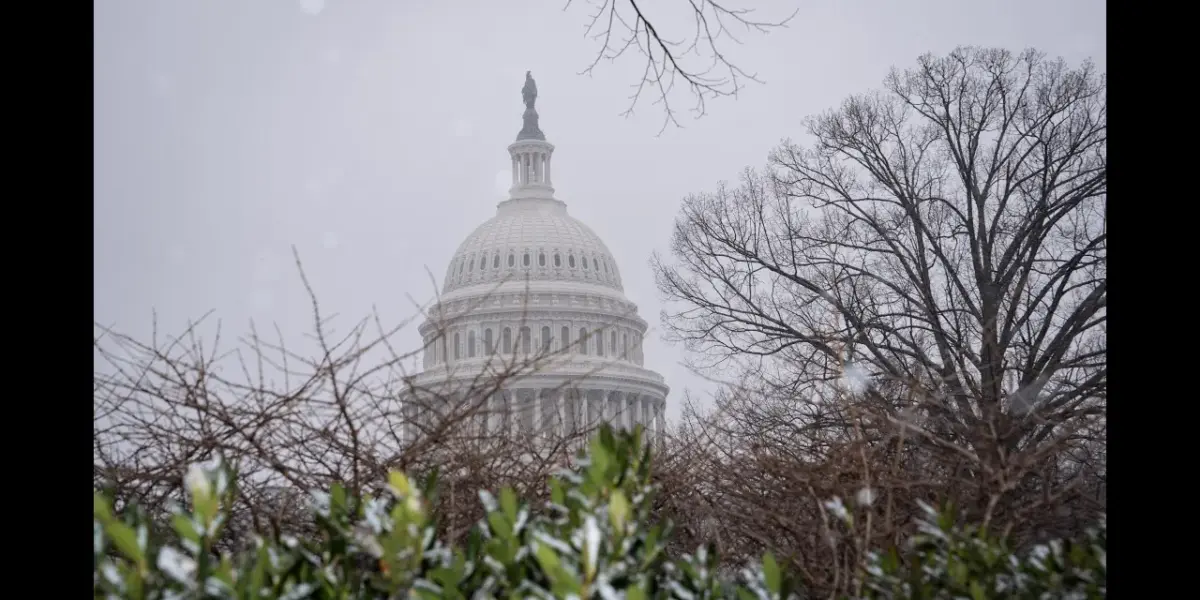
Congress Returns to a Nation on Edge
Lawmakers are back in Washington facing a tough agenda. A government shutdown has already lasted 55 days. Now, a recent conflict with Iran has cooled down, but tensions remain high. This situation means Congress has a lot to deal with quickly. They need to fund government agencies, pass important laws, and get answers from military leaders.
Military Readiness and Global Threats Take Center Stage
Top military commanders from all branches of the armed forces will appear before Congress. They will talk about the readiness of our military. This is especially important after the recent events involving Iran. Defense officials will also explain the missile defense systems used during the conflict. Beyond military actions, lawmakers are looking at global competition. A House committee will investigate China’s push to lead in artificial intelligence. This shows a focus on future challenges, not just current conflicts.
Domestic Priorities Demand Attention
While foreign policy and defense are critical, Congress can’t ignore problems at home. In the Senate, discussions will restart on the Save America Act. Senator Mike Lee is pushing hard for this bill. He wants it passed quickly. He believes it’s important to keep working on it until it becomes law. Meanwhile, the House still needs to figure out funding for the Department of Homeland Security. This is a major part of the reason for the current government shutdown. It affects border security, immigration, and disaster relief efforts.
Hearings and Budget Battles Loom
Committees are preparing for a very busy schedule of hearings. Oversight committees will look into possible fraud in federal programs. Budget hearings in both the House and Senate will focus on the President’s budget proposal for 2027. Health and Human Services Secretary Robert F. Kennedy Jr. is scheduled to testify twice. This shows how many different areas of government are under scrutiny.
A Path Forward on Homeland Security Funding?
Senator Lindsey Graham and John Barrasso met with former President Trump. After the meeting, Mr. Trump released a statement. He said that plans to reach an agreement on government funding are moving forward. He specifically mentioned that funding for the Department of Homeland Security is progressing. He also suggested that a final bill could be ready by June 1st. This timeline, if met, could help end the ongoing shutdown fight.
Why This Matters
The return of Congress highlights a critical moment for national security and domestic stability. The ongoing government shutdown strains federal services and impacts the economy. The recent Iran conflict, even with a ceasefire, raises serious questions about defense spending and foreign policy. Lawmakers must balance immediate crises with long-term strategic challenges, like competition with China. The success of these efforts will depend on their ability to find common ground and pass necessary legislation. Failure to do so could lead to further instability.
Looking Ahead
The coming weeks will be crucial. Congress needs to pass spending bills to end the shutdown. They also need to address national security concerns and prepare for future global challenges. The focus on artificial intelligence and international competition suggests a shift towards long-term strategic planning. The involvement of former President Trump in discussions about Homeland Security funding could speed up a resolution. However, the deep divisions in Congress mean that compromise will be difficult.
Historical Context
Government shutdowns are not new in American politics. They often occur when Congress and the President cannot agree on spending. These shutdowns can last for weeks or even months, causing significant disruption. The current shutdown is one of the longest on record. The recent tensions with Iran also echo past periods of heightened conflict in the Middle East. Understanding this history helps explain the urgency lawmakers feel to resolve these issues.
Implications and Trends
The events of the past weeks point to several important trends. First, the lines between domestic and foreign policy are blurring. Issues like border security and international relations are deeply connected. Second, the focus on technological competition, particularly with China, is growing. This will likely shape future defense and economic policies. Finally, the political divisions within the U.S. continue to make consensus-building challenging. This makes it harder to address major national issues effectively.
Source: Congress to Return Amid Iran War, Shutdown Pressure (YouTube)

Related Articles
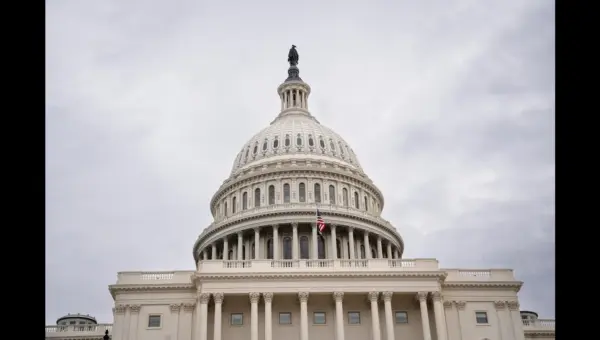
Congress Faces War, Shutdown Chaos Upon Return
Congress returns to a nation grappling with a prolonged government shutdown and heightened international tensions. Lawmakers face pressure to fund agencies, pass key legislation, and address military readiness amid global competition. The coming weeks will test their ability to navigate these complex challenges.
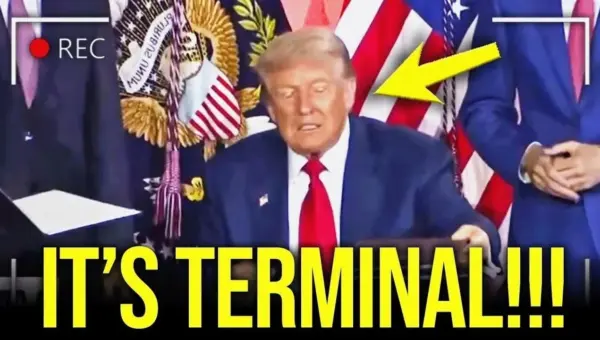
Trump’s Health Questioned: Experts Raise Alarm
Concerns about Donald Trump's cognitive state are growing, with former officials and even some supporters raising alarms. Discussions now include the potential use of the 25th Amendment and calls for formal cognitive assessments, citing erratic public statements and contradictory remarks. Experts and family members worry about his fitness for office and the potential risks to national security.


Rep. Swalwell Faces Probe Over Sexual Assault Allegations
Representative Eric Swalwell is under investigation by the Manhattan DA over sexual assault allegations. Multiple women have come forward with accusations of sexual misconduct, leading prominent supporters to withdraw endorsements. Swalwell denies the claims but faces mounting pressure.