Japan Dims China Relationship: A Subtle Shift Signals Growing Strain
Japan has slightly downgraded its description of its relationship with China in its latest diplomatic report, calling it an "important neighbor" instead of "one of its most important." This subtle shift reflects rising tensions over Taiwan and China's assertive regional actions. The move signals Japan's growing security concerns amid a complex geopolitical landscape.

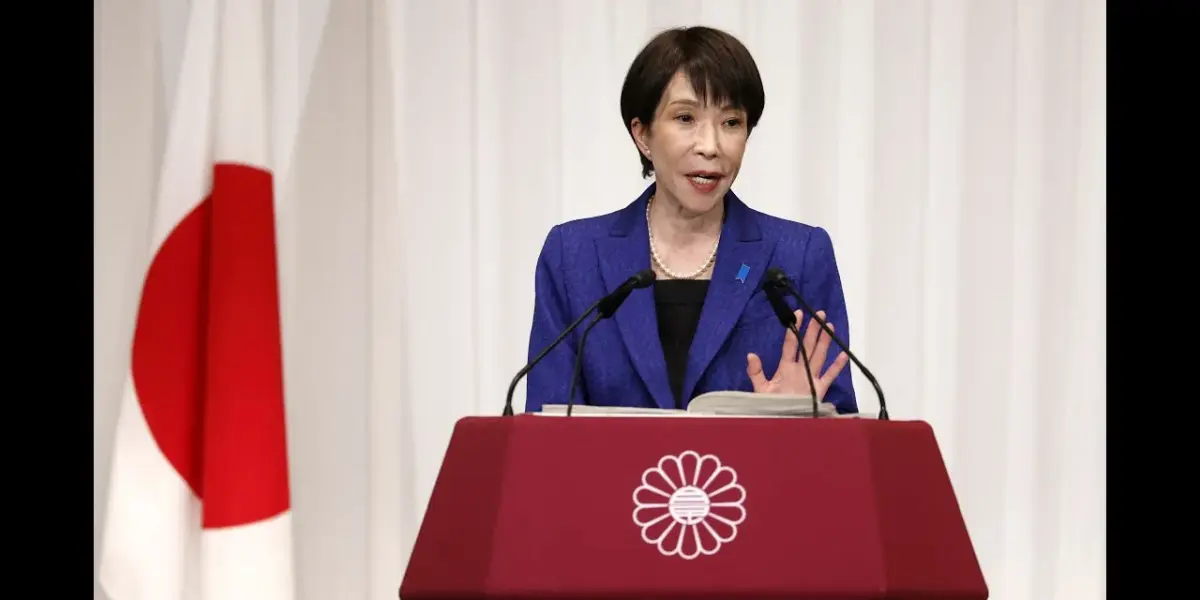
Japan Softens Language on China Ties Amid Rising Tensions
Japan has subtly adjusted how it describes its relationship with China in its latest foreign policy report, a move that signals growing unease between the two Asian giants. The change, noted in the 2026 diplomatic blue book released on Friday, sees Tokyo now referring to China as an “important neighbor.” This is a slight downgrade from the previous year’s description, which characterized the relationship as one of its “most important.” This careful wording shift reflects the increasingly complicated and tense dynamic between Japan and China.
The adjustment comes at a time when tensions, particularly concerning Taiwan, have been escalating. Relations have been strained in recent months following remarks made by Japanese Prime Minister Sai Takayichi. He suggested that Japan might consider military involvement if China were to invade Taiwan. This statement drew a strong reaction from Beijing, which views Taiwan as a renegade province that must be unified with the mainland, by force if necessary.
China’s Sharp Response and Growing Concerns
Following Prime Minister Takayichi’s comments, China did not hold back its criticism. Beijing issued warnings to its citizens about traveling to Japan, implemented trade restrictions, and accused Tokyo of reviving militarism. A spokesperson for China’s foreign ministry explicitly blamed Japan for damaging their bilateral relationship due to its stance on Taiwan. This exchange highlights the deep divisions and mistrust that have emerged.
The friction between the two nations was further amplified last month. A member of Japan’s Self-Defense Forces was arrested for entering the grounds of the Chinese embassy in Tokyo. While details remain scarce, the incident added another layer of complexity to an already delicate diplomatic situation. Such events, however minor, can quickly become significant points of contention when relations are already fragile.
A Balancing Act: Striving for Stability
Despite these ongoing tensions and the diplomatic downgrading, Japan maintains that it is committed to working towards stabilizing and improving its ties with China. This statement suggests a desire to manage the relationship carefully, avoiding outright confrontation while still addressing concerns. It’s a delicate balancing act that many nations find themselves performing in the current geopolitical climate.
Why This Matters
This subtle shift in language from Japan is more than just a semantic change. It represents a tangible acknowledgment of the growing strategic concerns Japan has regarding China’s actions, particularly its assertive stance on Taiwan. For decades, Japan has navigated a complex relationship with its powerful neighbor, balancing economic interdependence with security anxieties. This report indicates that the security anxieties are increasingly taking precedence in Tokyo’s public pronouncements.
Historical Context and Regional Stability
Understanding this development requires looking at the broader historical context. Japan and China share a long and often difficult history. Post-World War II, Japan adopted a pacifist constitution and focused on economic growth, maintaining a generally cooperative relationship with China. However, China’s rapid economic and military modernization in recent decades has altered the regional balance of power. Japan, feeling increasingly encircled and threatened by China’s growing assertiveness, particularly in the East China Sea and regarding Taiwan, has been steadily rearming and strengthening its alliances, notably with the United States.
The issue of Taiwan is central to this dynamic. Japan views Taiwan’s security as directly linked to its own. An unstable Taiwan could disrupt vital shipping lanes and pose a direct threat to Japanese territory. Therefore, any perceived threat to Taiwan is seen by Tokyo as a potential threat to its own national security. This perspective is a significant departure from Japan’s post-war foreign policy, which largely avoided direct military commitments outside its immediate defense needs.
Implications and Future Outlook
The implications of Japan’s cautious recalibration are far-reaching. It suggests a more pragmatic, perhaps even wary, approach to managing relations with China. While both nations benefit from significant trade, the strategic and security dimensions are becoming increasingly dominant in their interactions. This could lead to further friction in areas like trade, technology, and regional security arrangements.
Looking ahead, we can expect continued efforts by Japan to strengthen its defense capabilities and deepen security cooperation with like-minded countries. This includes the United States, Australia, and India, forming a loose network aimed at maintaining a free and open Indo-Pacific. China, in turn, is likely to view these moves with suspicion and may respond with its own diplomatic and economic pressure. The relationship between Japan and China will remain a critical factor in the stability of East Asia, and any further shifts in their dialogue will be closely watched by the international community.
The subtle downgrade in Japan’s diplomatic report is a clear signal. It indicates that while dialogue is still desired, the underlying concerns about China’s regional ambitions, particularly concerning Taiwan, are growing. This cautious adjustment reflects a new reality in East Asian diplomacy, where economic ties are increasingly overshadowed by strategic competition and security imperatives.
Source: Japan Downgrades China Ties in 2026 Diplomatic Report (YouTube)

Related Articles


Putin’s Ceasefire Gambit: A Bid for Control
Putin's Easter ceasefire proposal is seen as a bid to regain control of the war narrative amidst battlefield stagnation. Concerns rise over potential U.S. pressure on Ukraine for concessions, while NATO's future and Ukraine's security outlook remain uncertain.


US-Iran Talks Collapse: War Looms After Summit Fails
US-Iran peace talks in Islamabad have collapsed after the Trump administration reportedly tried to change the negotiating framework. Senator JD Vance announced the breakdown, stating Iran refused U.S. demands, signaling a likely return to conflict. The failure occurred while President Trump attended a UFC match.


Robots Turn Tide: Ukraine’s Tech Edge Crushes Russian Forces
Ukraine's innovative use of ground robotics is fundamentally altering the nature of warfare, offering a strategic advantage over Russia. These machines are reducing casualties, enabling territorial gains, and paving the way for Ukraine's future economic strength.