Iran Holds Key Waterway Hostage, Global Trade Suffers
Iran is reportedly holding the critical Strait of Hormuz hostage, with minimal ship traffic and allegations of charging fees for passage. International leaders are forming a coalition to address the situation and ensure unrestricted navigation through the vital waterway, which is impacting global trade.

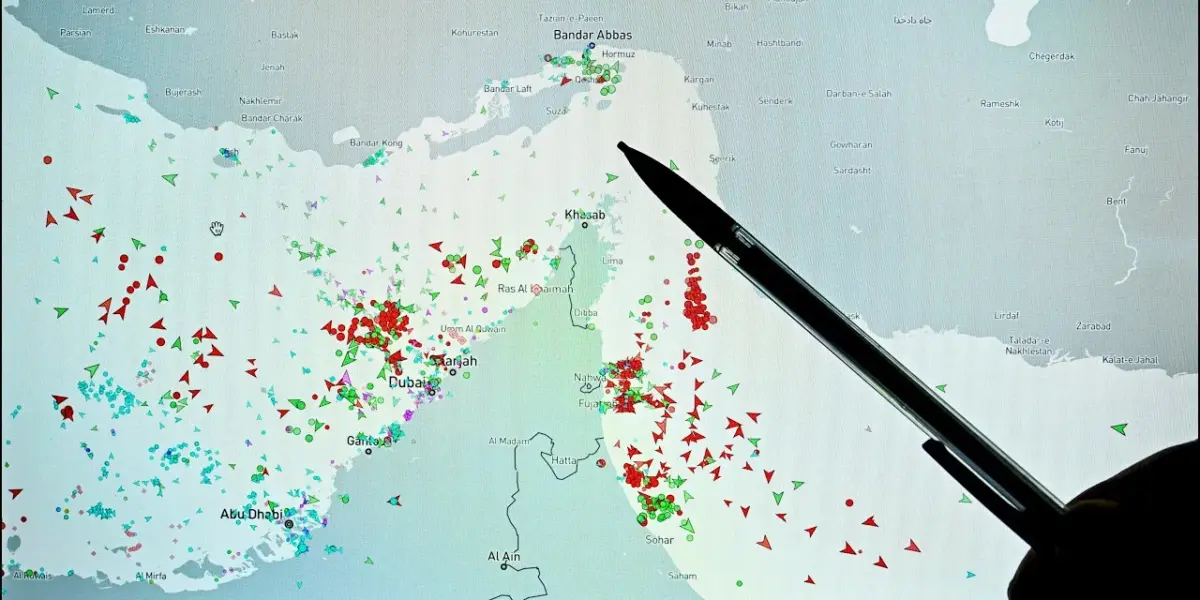
Iran’s Grip on Hormuz Strait Threatens Global Trade
The vital waterway known as the Strait of Hormuz remains largely impassable, despite ongoing efforts to reopen it. Tracking data shows very few ships are currently navigating this critical passage. Most vessels that are seen moving through the strait appear to have connections to Iran.
Reports of Fees and IRGC Control Emerge
Adding to the tension, an Israeli intelligence official reported that Iran is charging fees for ships to pass through the strait. This suggests that the Islamic Revolutionary Guard Corps (IRGC) has effectively taken full control. They are reportedly deciding which ships are allowed to travel through, and crucially, which ones are not.
This development aligns with statements made by President Trump, who mentioned reports of Iran imposing fees on tankers. He issued a stern warning, stating that such actions must stop immediately if they are happening.
“They better not be and if they are, they better stop now.” – President Trump
International Efforts to Reopen the Strait
Leaders are working on both diplomatic and military solutions to address the situation. British Prime Minister Kier Starmer discussed the issue with President Trump, focusing on reopening the strait. They are building a coalition of over 30 countries to work on a political and diplomatic plan.
The discussions also involved military capabilities and the practical steps needed to ensure safe passage for vessels. Prime Minister Starmer’s recent trip to Saudi Arabia and the UAE included talks on reopening Hormuz and the existing ceasefire. Both he and Gulf nations agreed that the Strait of Hormuz must be part of any solution.
Call for Unrestricted Navigation
There is a strong consensus among international leaders that navigation through the strait must be free of tolls or any kind of restrictions. Britain’s foreign secretary echoed this sentiment, emphasizing that the waterway needs to be fully reopened without limitations.
The blockage of this crucial shipping lane is significantly impacting global trade. Businesses and economies worldwide are feeling the effects of these disruptions.
Why This Matters
The Strait of Hormuz is one of the world’s most important oil transit points. A significant portion of the world’s oil supply passes through this narrow waterway. Any disruption here can cause oil prices to spike and create widespread economic instability. The control asserted by Iran not only affects shipping companies but also has ripple effects on the global economy, impacting everything from gas prices at the pump to the cost of manufactured goods.
Historical Context and Background
Tensions in the Strait of Hormuz are not new. For decades, it has been a focal point of geopolitical maneuvering due to its strategic importance. Iran has previously threatened to close the strait during times of conflict or heightened tensions with Western powers. These threats are often seen as a way for Iran to exert influence and pressure in international affairs. The current situation appears to be an escalation of these long-standing dynamics, with Iran reportedly taking direct control and imposing fees.
Implications, Trends, and Future Outlook
The current situation highlights a growing trend of non-state actors or regional powers attempting to control vital global chokepoints. This poses a significant challenge to international maritime law and freedom of navigation. The formation of a broad international coalition suggests a unified approach to counter such actions. However, the effectiveness of both diplomatic and military strategies will be crucial.
The future outlook depends on Iran’s response and the international community’s ability to enforce a resolution. If Iran continues to exert control, we could see further increases in shipping costs, potential oil supply shortages, and ongoing diplomatic crises. Conversely, a successful reopening of the strait could ease global economic pressures. The situation also underscores the ongoing need for stable energy markets and reliable shipping routes, especially in a world increasingly reliant on global trade.
Source: Data Shows Ships Not Passing Through Hormuz Strait Despite Ceasefire (YouTube)

Related Articles

US-Iran Talks Collapse: War Looms After Summit Fails
US-Iran peace talks in Islamabad have collapsed after the Trump administration reportedly tried to change the negotiating framework. Senator JD Vance announced the breakdown, stating Iran refused U.S. demands, signaling a likely return to conflict. The failure occurred while President Trump attended a UFC match.


Robots Turn Tide: Ukraine’s Tech Edge Crushes Russian Forces
Ukraine's innovative use of ground robotics is fundamentally altering the nature of warfare, offering a strategic advantage over Russia. These machines are reducing casualties, enabling territorial gains, and paving the way for Ukraine's future economic strength.

US-Iran Talks Collapse: Trump’s Dealmaking Falters
Recent U.S.-Iran negotiations in Pakistan have collapsed, with both sides blaming the other for changing the framework and imposing demands. The failure raises concerns about renewed conflict and highlights deep-seated mistrust.