Israel Claims Major Blows Against Hezbollah
Israeli forces report killing over 1,400 Hezbollah members and destroying thousands of sites in Lebanon. As Iran calls for a ceasefire, Israel prepares for talks focused on disarming the group, not ending hostilities. This escalation carries significant regional implications.

Israel Reports Significant Gains Against Hezbollah in Lebanon
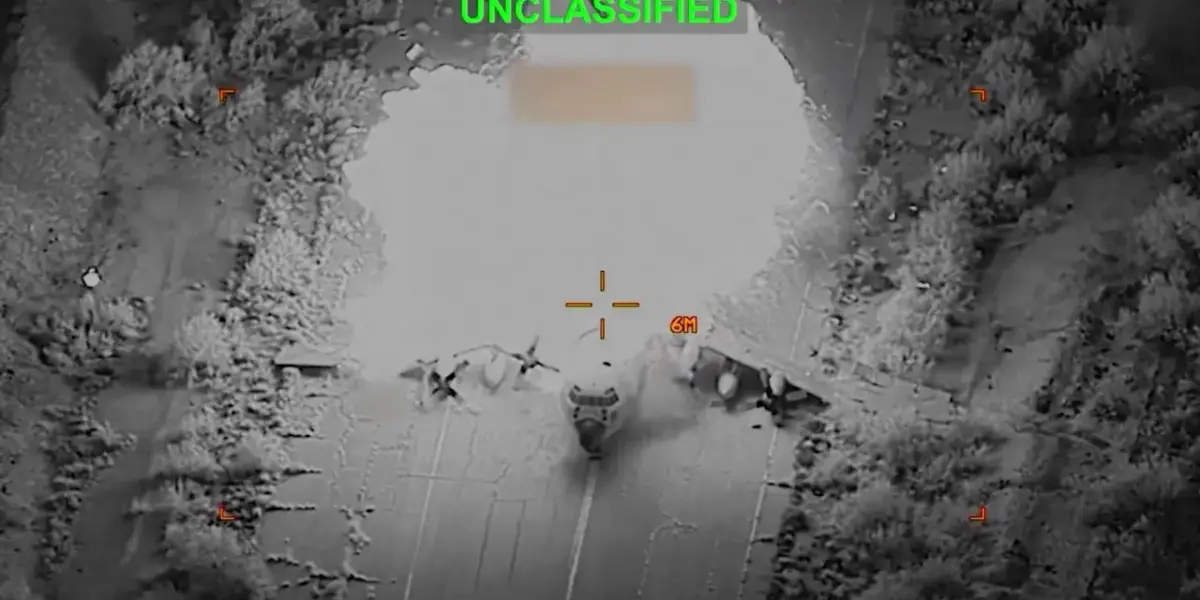
Israeli forces have announced a significant increase in their operations against Hezbollah in Lebanon, reporting the killing of over 1,400 members of the group. This intensified action began around the end of February and has also led to the destruction of more than 4,300 Hezbollah sites. The Israeli military has released footage showing strikes on what they identify as Hezbollah operatives and infrastructure, including an air strike on a figure hiding and another on a truck carrying military supplies.
Currently, five divisions of Israeli troops are actively engaged in Lebanon. They are involved in close combat with Hezbollah fighters and have been discovering weapon storage areas. These operations aim to reduce the direct threat to Israeli communities near the border.
Hezbollah’s Response and Iranian Influence
Despite Israel’s reported successes, Hezbollah has continued to launch rockets into northern Israel. The Israeli military stated that on a recent night, approximately 10 launchers were used by Hezbollah, and Israeli forces subsequently struck those launchers. This ongoing exchange highlights the persistent conflict along the border.
Meanwhile, Iran, a key supporter of Hezbollah, is calling for a ceasefire in the Lebanon conflict. This call comes before any potential talks between Israel and Lebanon regarding the situation. Israel’s defense minister believes Iran’s urgency stems from a fear that Israel will completely dismantle Hezbollah.
The blow Iran has sustained also affects Hezbollah because Hezbollah understands that it is now isolated. It is isolated within Lebanon, cut off from its strategic backing from those who fund it and supply it with munitions. We are removing the direct threat to our communities. – Israel’s top general
Upcoming Negotiations and Complications
Israel and Lebanon are scheduled to hold direct talks concerning the presence and activities of Hezbollah. However, Israeli Prime Minister Benjamin Netanyahu has clarified that these discussions will not focus on a ceasefire. Instead, the primary goal for Israel is the disarmament of the Hezbollah group. This stance sets a clear agenda for the upcoming negotiations.
The situation has become more complex following an incident where Lebanon’s president, Michel Aoun, reported that an Israeli strike on a government building resulted in the deaths of 13 Lebanese state security personnel. President Aoun stated that this attack would not prevent Lebanon from defending its sovereignty. Adding to the tension, some Lebanese residents have been seen protesting the upcoming talks, holding Hezbollah flags. They believe Hezbollah should be the ones negotiating, and that the Lebanese government does not represent their views on the matter.
Why This Matters
The ongoing conflict between Israel and Hezbollah, with significant reported casualties and destruction, has serious implications for regional stability. Israel’s aggressive stance aims to neutralize a perceived major security threat, while Iran’s involvement and calls for a ceasefire suggest a broader geopolitical struggle. The upcoming talks between Israel and Lebanon, focused on disarmament rather than a ceasefire, indicate a potential shift in how such disputes might be addressed, moving towards direct negotiation of security terms.
Historical Context and Future Outlook
The relationship between Israel and Hezbollah has been fraught with conflict for decades, marked by numerous clashes and proxy warfare. Hezbollah, supported by Iran, has been a significant military and political force in Lebanon. Israel views the group as a primary threat, especially given its extensive arsenal and its influence within Lebanon.
The current escalation represents a critical juncture. If Israel succeeds in significantly weakening or disarming Hezbollah, it could alter the balance of power in the region. However, any military action carries the risk of wider conflict and humanitarian consequences, as seen in the reported deaths of Lebanese security personnel. The future outlook depends heavily on the outcome of the negotiations and the continued involvement of regional and international actors. The effectiveness of these talks, and whether they can lead to lasting de-escalation, remains to be seen.
Source: Israel Says More Than 1,400 Hezbollah Terrorists Killed in Lebanon (YouTube)

Related Articles


Putin’s Ceasefire Gambit: A Bid for Control
Putin's Easter ceasefire proposal is seen as a bid to regain control of the war narrative amidst battlefield stagnation. Concerns rise over potential U.S. pressure on Ukraine for concessions, while NATO's future and Ukraine's security outlook remain uncertain.

US-Iran Talks Collapse: War Looms After Summit Fails
US-Iran peace talks in Islamabad have collapsed after the Trump administration reportedly tried to change the negotiating framework. Senator JD Vance announced the breakdown, stating Iran refused U.S. demands, signaling a likely return to conflict. The failure occurred while President Trump attended a UFC match.


Robots Turn Tide: Ukraine’s Tech Edge Crushes Russian Forces
Ukraine's innovative use of ground robotics is fundamentally altering the nature of warfare, offering a strategic advantage over Russia. These machines are reducing casualties, enabling territorial gains, and paving the way for Ukraine's future economic strength.