Vance Plays Peacemaker Amidst War’s Failed Promises
Vice President JD Vance is in a precarious position, attempting to broker peace in the Middle East after his administration's involvement in a war. Critics accuse him of hypocrisy and political maneuvering, questioning the sincerity of his anti-war stance and the potential outcomes of the current negotiations.

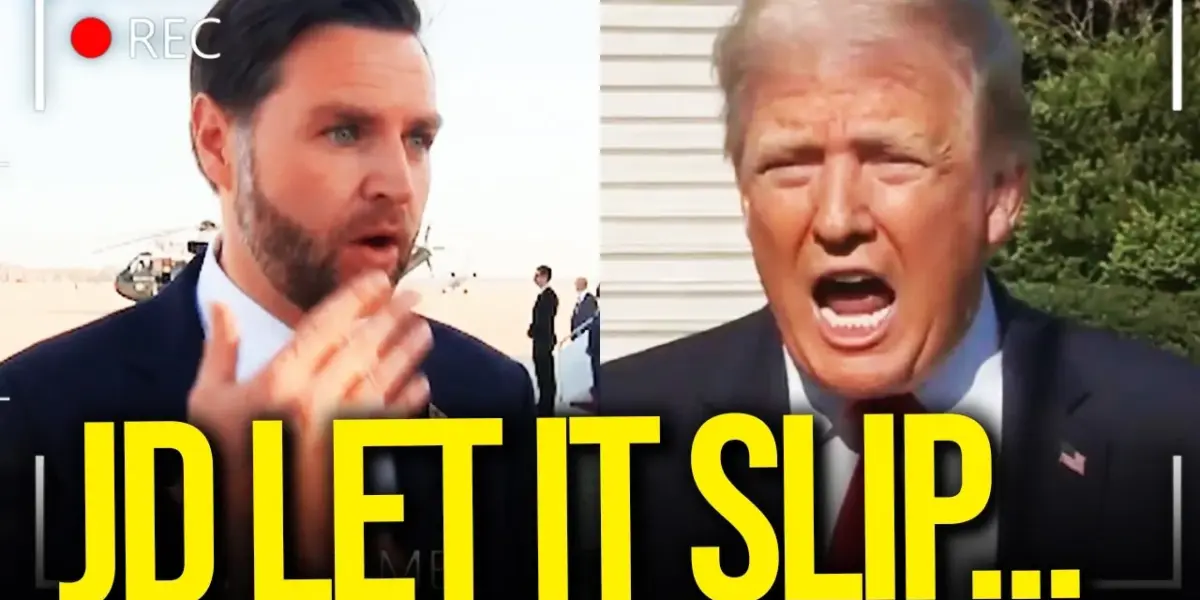
Vance Plays Peacemaker Amidst War’s Failed Promises
Vice President JD Vance is currently in a very tricky spot. He is trying to act like he’s against the war his administration started and then struggled with. Now, he’s in Islamabad, Pakistan, attempting to be a peacemaker for a problem he helped create. This situation is making things worse, according to some observers.
Vance appears to have a two-faced approach. He acts anti-war in the media, even reportedly leaking to The New York Times that he opposed the war in a high-level meeting. However, sources suggest he was actually the one pushing for swift military action. This has led to accusations that Vance is a puppet, controlled by others and changing his stance to fit the moment.
A Risky Mission in Pakistan
Vance’s trip to Pakistan is seen as a critical moment for his political future. If the Middle East conflict erupts again due to failed negotiations, his chances for higher office in 2028 could be ruined. On the other hand, if he agrees to terms that give Iran too much power, like control of the Strait of Hormuz, that would also be a terrible outcome.
The situation is complicated by actions from other leaders. Israeli Prime Minister Benjamin Netanyahu stated that his country’s military actions against Iran are not finished, even as peace talks continue. Meanwhile, U.S. naval ships faced challenges from Iranian drones while clearing mines in the Strait of Hormuz. It’s unclear if these actions are helping or hindering Vance’s efforts.
Trump’s Role and Vance’s Popularity
Some analysts believe that Donald Trump has lost control of the situation and is ready to move on, regardless of the outcome. They suggest Trump sent Vance because he doesn’t have much faith in him and wants to distance himself from the ongoing conflict. This perspective paints Trump as someone who gets bored easily and is looking for an easy way out.
Iran reportedly asked for Vance to lead the negotiations because they believe he is desperate for peace. His approval ratings are reportedly very low, even lower than the current president’s. This desperation, according to critics, makes him willing to give Iran what it wants to secure a deal.
The Reality of the Ceasefire
The idea of a ceasefire in the Middle East is also being questioned. While some media outlets reported a ceasefire, others point to ongoing hostilities. Hundreds of people are reportedly dead in Lebanon, with continued exchanges of fire between Israel and Hezbollah. This suggests that only the United States has ceased firing, while the conflict continues.
The negotiations seem to be based on Iran’s 10-point peace plan, which the U.S. agreed to use as a starting point. This plan reportedly includes lifting sanctions on Iran, U.S. reparations for damages, and Iran’s continued control of the Strait of Hormuz. Critics argue this is a concession of everything Iran desires.
Historical Parallels and Future Concerns
The current situation is being compared to past diplomatic efforts, like the Obama administration’s Iran nuclear deal (JCPOA). Just as Obama faced criticism then, Vance may be remembered for these negotiations, potentially called the “Islamabad Accords.” There is little confidence that these talks will lead to a positive, lasting peace.
Concerns are also raised about Iran’s nuclear program and missile capabilities. While the U.S. may have set back Iran’s nuclear progress, critics argue that the knowledge and blueprints still exist. They believe Iran could rebuild its capabilities over time, especially if a deal is struck from a position of U.S. weakness.
Vance’s Political Motivations
Some believe Vance’s current role is a marketing campaign to improve his image. He is accused of pretending to be against the war now, after initially supporting a swift military strike. His past political shifts, including changing his views on Donald Trump, lead some to see him as an “illegitimate figure” and a “nothing burger” in future elections.
There’s also a theory that Vance is tied to defense technology companies, like Palantir. This perspective suggests he is motivated to promote war to benefit these industries and their wealthy donors. If he were to become president, critics argue, more wars would likely follow because he would need to support the businesses that backed him.
Why This Matters
The outcome of these negotiations has significant implications for global stability and U.S. foreign policy. If Vance fails to secure a lasting peace, the Middle East could face further conflict, impacting global markets and security. His success or failure will also shape his own political career and influence the direction of foreign policy for future administrations.
Trends and Future Outlook
The situation highlights a trend of political figures attempting to rebrand themselves during or after conflicts. It also shows the complex dynamics of international diplomacy, where public perception and political maneuvering often play a crucial role. The future outlook suggests continued U.S. involvement in the Middle East, with potential for both de-escalation and further conflict depending on the success of these diplomatic efforts.
Historical Context
The current tensions in the Middle East are part of a long history of geopolitical struggles in the region. Past U.S. interventions and diplomatic efforts, such as the Iran nuclear deal, provide context for the challenges faced today. Understanding these historical precedents is key to analyzing the current negotiations and their potential long-term consequences.
Source: JD Vance Leaks THE TRUTH after Trump BACKFIRE (YouTube)

Related Articles

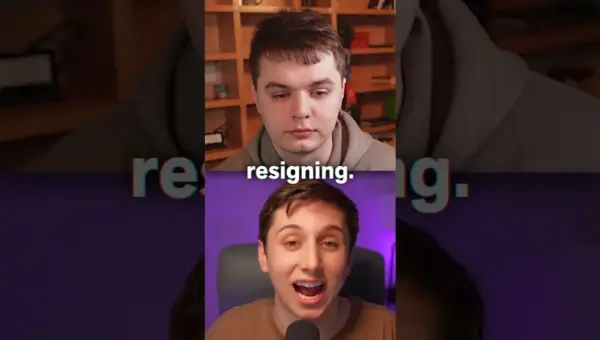
Vance’s Peace Play: A Desperate Gamble for Power?
Senator JD Vance's potential role in peace talks is questioned, with critics suggesting desperation over genuine diplomacy. Meanwhile, reports of a ceasefire are contradicted by ongoing violence, highlighting a potential disconnect between political narratives and battlefield realities.
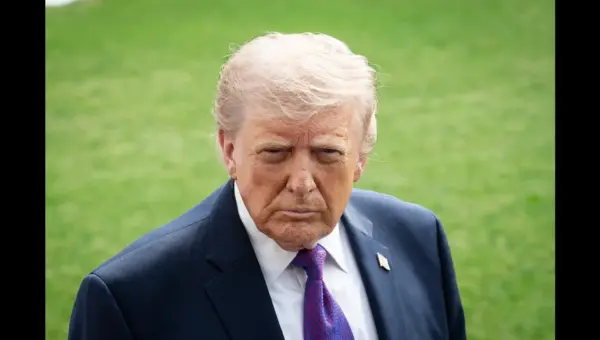
Trump’s UFC Detour: A Political Spectacle?
President Donald Trump's recent trip to a UFC event in Miami highlights how politicians strategically use popular culture for political gain. This move mirrors historical practices of leaders appearing at public gatherings to connect with voters and project an image. It signals a trend of engaging audiences through unconventional, high-visibility events.

Trump Claims Iran War Victory Amidst Shifting Regional Power
Donald Trump claims a decisive U.S. military victory over Iran in recent naval incidents, citing Iran's limited actions and outdated military. However, critics argue Iran's IRGC navy continues to control the Strait of Hormuz, potentially profiting millions and gaining strategic leverage, suggesting Trump's narrative is misleading.