Trump Claims Iran War Victory Amidst Shifting Regional Power
Donald Trump claims a decisive U.S. military victory over Iran in recent naval incidents, citing Iran's limited actions and outdated military. However, critics argue Iran's IRGC navy continues to control the Strait of Hormuz, potentially profiting millions and gaining strategic leverage, suggesting Trump's narrative is misleading.


Trump Claims Iran War Victory Amidst Shifting Regional Power
Former President Donald Trump has repeatedly claimed victory in recent naval confrontations with Iran, stating that the U.S. has “won regardless” and “defeated them militarily.” He has pointed to Iran’s limited actions, such as dropping a few mines, as proof of their weakness. Trump has also cited the age of Iran’s official navy and air force as evidence of their outdated military capabilities, asserting that “their navy was 50 plus years old. Their air force was 60 plus years old. You can look this up. They were ancient.” He suggests that reports from what he calls “fake news” media, whose credibility he claims is down to 13%, distort the reality of the situation.
The Reality on the Waterways
However, critics argue that Trump’s narrative overlooks key aspects of the conflict. While the U.S. has mine sweepers actively clearing the Strait of Hormuz, a crucial waterway for global oil transport, Iran’s Islamic Revolutionary Guard Corps (IRGC) navy has reportedly continued to control the strait when it chooses. This suggests that the IRGC’s naval power, often considered more effective and relevant in regional conflicts than Iran’s official navy, remains a significant force. The transcript suggests that Iran is not only blocking the strait but also profiting from it, potentially earning millions or even billions of dollars.
A Strategic Hand-Off?
This alleged ability to control and profit from the Strait of Hormuz implies that the United States may have ceded significant regional influence to Iran. Instead of a clear military defeat for Iran, some observers believe Iran has gained leverage. This is further evidenced by the recent replacement of an 86-year-old Iranian leader with someone 30 years younger, indicating a potential modernization or shift in leadership strategy, while the rest of the parliament remains unchanged. This context leads to the assertion that Donald Trump is “just lying” about the outcome and Iran’s standing.
Historical Context of Hormuz
The Strait of Hormuz has long been a strategic flashpoint. It is the world’s most important oil transit point, with about 30% of the world’s seaborne oil trade passing through it daily. Control over this narrow waterway means immense power over global energy markets. Throughout history, tensions in the Persian Gulf have often revolved around maintaining freedom of navigation through Hormuz. Iran has, at various times, threatened to close the strait, a move that would have severe global economic consequences. The current situation, where Iran is accused of tolling the strait, represents a continuation of this historical leverage play, albeit with potentially greater financial gains.
Differing Perspectives on ‘Victory’
Trump’s definition of victory appears to be based on preventing Iran from inflicting significant damage on U.S. naval assets, dismissing their actions as minor provocations. He frames the situation as a clear win for the U.S. military, regardless of any diplomatic outcome. On the other hand, the perspective presented in the transcript suggests that true victory would involve Iran losing its ability to influence or profit from the strait. The ability of the IRGC to continue its operations, coupled with potential financial gains, is seen as a sign of Iran’s enduring strength and Iran’s improved negotiating position, rather than a defeat.
Why This Matters
The differing accounts of the situation in the Strait of Hormuz have significant implications. If Iran is indeed gaining financial and strategic leverage while the U.S. is being presented with a narrative of victory, it raises questions about the effectiveness of U.S. foreign policy and military actions in the region. The potential for Iran to profit from controlling a vital global trade route could embolden further assertive actions and impact global energy prices. Furthermore, the focus on political rhetoric versus on-the-ground realities highlights the challenges of discerning truth in international relations, especially when amplified by political figures and a polarized media environment.
Trends and Future Outlook
This dynamic reflects a broader trend of asymmetric warfare and influence peddling, where non-traditional tactics like mine-laying and controlling strategic chokepoints can yield significant results without direct, large-scale military engagement. The ability of Iran’s IRGC to operate effectively, even against a technologically superior U.S. navy, suggests a persistent challenge for American military dominance in the region. The future outlook may involve continued cat-and-mouse games in the Strait of Hormuz, with Iran seeking to maximize its gains and influence, and the U.S. aiming to ensure freedom of navigation and counter Iranian aggression. The effectiveness of diplomatic efforts and the impact of sanctions will also play crucial roles in shaping the long-term stability of the region and the balance of power between the U.S. and Iran.
Source: Trump Continues to Spread Lies About Iran War #politics #fyp #new (YouTube)

Related Articles
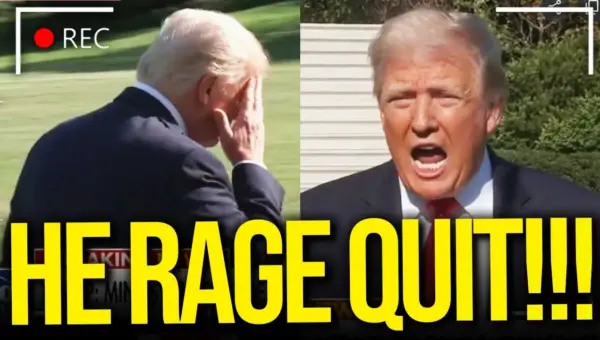
Trump’s Pakistan Deal Collapses, Media Confrontation Erupts
Negotiations in Pakistan involving Iran have reportedly collapsed, leading to a heated exchange between Donald Trump and the media. The breakdown raises questions about U.S. foreign policy effectiveness and the accuracy of political claims regarding the conflict with Iran.

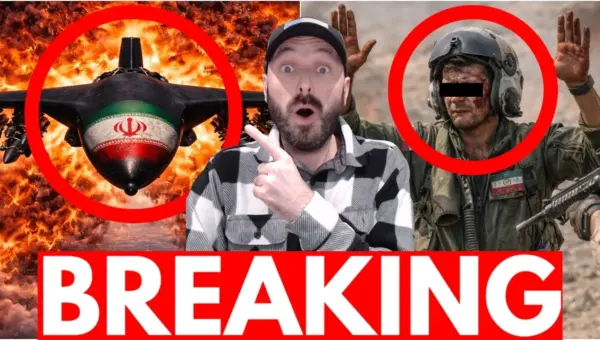
Iran Scrambles Drones, U.S. Warships Face Threats
Iran allegedly scrambled drones at U.S. warships in the Strait of Hormuz amidst tense negotiations. Reports also hint at potentially captured Iranian pilots in U.S. custody, adding another layer of intrigue to the volatile regional dynamics.

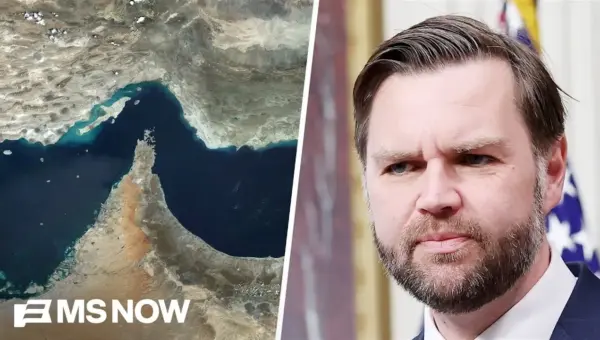
US Minesweepers Clear Strait of Hormuz Amid Peace Talks
U.S. forces have commenced mine-clearing operations in the Strait of Hormuz, a critical waterway, amid high-level peace talks with Iran in Pakistan. The operation, seen as a positive sign, occurs while diplomats discuss Iran's nuclear program and regional stability. Experts weigh the risks, Iran's strategic leverage, and the complex interplay of international relations, including Israel's ongoing military actions.