Iran Scrambles Drones, U.S. Warships Face Threats
Iran allegedly scrambled drones at U.S. warships in the Strait of Hormuz amidst tense negotiations. Reports also hint at potentially captured Iranian pilots in U.S. custody, adding another layer of intrigue to the volatile regional dynamics.

Iran Scrambles Drones, U.S. Warships Face Threats
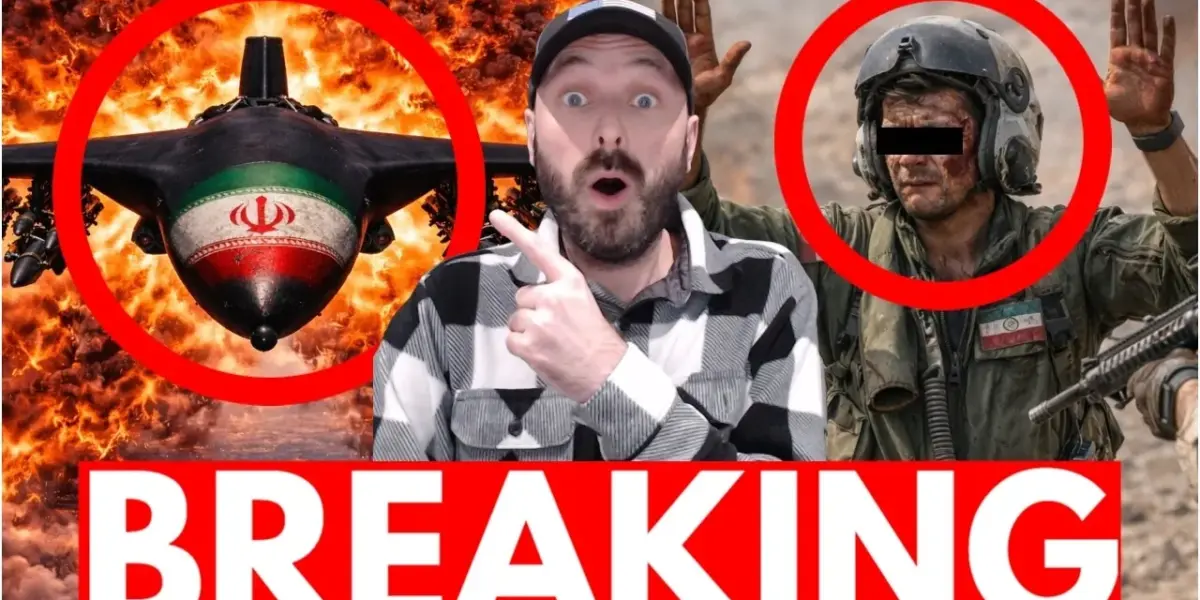
A recent report suggests Iran launched drones toward U.S. Navy warships moving through the Strait of Hormuz. This incident occurred during a reported mine-clearing operation by the U.S. fleet. The situation highlights ongoing tensions and the complex geopolitical dance between Iran and the United States.
Tensions in the Strait of Hormuz
Multiple U.S. warships entered the Strait of Hormuz, a vital waterway for global shipping. While the U.S. Navy stated the mission was to clear mines and prepare for potential ground operations, Iran reportedly responded with a show of force. According to a Bloomberg report citing a regional intelligence official, Iran’s Islamic Revolutionary Guard Corps (IRGC) scrambled drones in the direction of two U.S. Navy Arleigh Burke-class destroyers. These destroyers were allegedly forced to turn back due to the threats, though U.S. Central Command (CENTCOM) did not mention this in their statement. CENTCOM indicated the ships proceeded as planned, suggesting the drones were either neutralized or retreated.
Understanding the Drones
Drones, even small ones, can pose a significant threat to naval vessels if equipped with substantial warheads. Their deployment in this context signals Iran’s intent to assert its presence and potentially deter U.S. naval movements in its territorial waters. The discrepancy between Bloomberg’s reporting and CENTCOM’s statement underscores the challenges in obtaining clear, verified information during such sensitive encounters.
Negotiations at a Standstill?
Simultaneously, U.S. and Iranian delegations were engaged in intense negotiations, mediated by Pakistan. These talks reportedly continued late into the night and possibly into the following day. While the continuation of talks might seem like progress, reports from Iranian media, including IRNA and FARS, paint a picture of significant disagreements. FARS quoted a source close to Iran’s negotiating team, stating that the U.S. is making excessive demands, particularly concerning the Strait of Hormuz. Iran insists it will defend its positions, suggesting the U.S. is trying to achieve through diplomacy what it couldn’t through military pressure.
The Role of Intermediaries
The negotiation process, described as intense, involves a back-and-forth exchange through Pakistan as an intermediary. This method, while allowing for communication, can also slow down progress and lead to misunderstandings. The deep disagreements suggest that reaching a mutually acceptable agreement remains a formidable challenge.
Israel’s Stance and Intelligence Assessments
Adding another layer to the regional dynamics, Israeli Prime Minister Benjamin Netanyahu stated that the campaign against Iran is far from over, despite what he called historic results. This suggests that even if a deal is reached between the U.S. and Iran, Israel may continue its operations independently. Meanwhile, U.S. intelligence assessments indicate that Iran, while weakened, is not defeated. The country is believed to still possess thousands of missiles and launchers, many of which are concealed underground, posing a continued threat.
Pakistan’s Diplomatic Moves
The Prime Minister of Pakistan was reportedly planning an emergency trip to Saudi Arabia to discuss the ongoing Iran-U.S. talks. This move is significant given the historical defense pact between Pakistan and Saudi Arabia, with Saudi Arabia having previously funded Pakistan’s nuclear program. Saudi Arabia itself was recently targeted by drone attacks on its oil fields, adding urgency to diplomatic efforts in the region.
Conflict on the Lebanon Front
On the ground, the conflict between Hezbollah and Israel continues. Hezbollah has been firing rockets into Israel, while the Israeli Defense Forces (IDF) have made advances in Lebanon. Satellite images confirmed that Bent Jabil Stadium fell under IDF control, indicating ongoing ground operations. Photos of strikes in Lebanon show the continuation of these military actions.
A Mysterious Report: Iranian Pilots in U.S. Custody?
Perhaps the most intriguing development is a viral report circulating within Iranian military circles. It suggests that U.S. commandos may have recovered at least two Iranian pilots from the water after their SU24 MK fighter-bombers were shot down by Qatari F-15 jets. The pilots were reportedly severely injured and are receiving extensive medical care in a regional country. While this information cannot be independently verified and should be treated with caution, its circulation within Iranian military intelligence is noteworthy.
Intelligence Advantages
Sources familiar with intelligence operations explained the strategic advantage of keeping such a situation secret. If the pilots were captured, injured, and willing to defect or provide information, holding them discreetly would be highly beneficial. This would allow U.S. intelligence to gather valuable insights into Iran’s military capabilities and plans without alerting the Iranian regime. The possibility of obtaining defector intelligence is a significant incentive for maintaining secrecy.
Why This Matters
This developing situation is critical because it illustrates the volatile nature of U.S.-Iran relations and the broader Middle East. The drone incident in the Strait of Hormuz demonstrates Iran’s willingness to challenge U.S. naval presence, while the stalled negotiations highlight the deep-seated mistrust and conflicting interests. Israel’s continued assertive stance adds another layer of complexity, potentially prolonging regional instability. Furthermore, the unconfirmed reports of captured Iranian pilots, if true, could significantly impact intelligence gathering and the psychological dynamics of the conflict. It underscores how information, both confirmed and rumored, plays a crucial role in shaping perceptions and influencing geopolitical strategies in this highly contested region.
Future Outlook
The immediate future likely holds continued diplomatic efforts, albeit fraught with difficulty. The drone incident and the ongoing skirmishes in Lebanon suggest that military posturing will persist. The potential for escalating conflict remains, especially if negotiations fail or if regional actors like Israel pursue independent military objectives. The intelligence value derived from any captured personnel could also shape future U.S. strategies towards Iran. The situation remains fluid, with developments occurring rapidly and requiring constant monitoring.
Historical Context
Tensions between the U.S. and Iran have a long history, marked by the 1979 Islamic Revolution, the Iran hostage crisis, and subsequent proxy conflicts and confrontations. The Strait of Hormuz has been a frequent flashpoint, given its strategic importance for oil transport. Iran’s use of drones and asymmetric warfare tactics is a continuation of its long-standing strategy to counter perceived U.S. and allied military superiority. The ongoing negotiations, even with intermediaries, echo past attempts at dialogue that have often been hampered by mutual suspicion and hardline factions within both governments.
Source: Iran SCRAMBLES Drones Against U.S. Navy – Pilots Possibly CAPTURED (YouTube)

Related Articles


US Minesweepers Clear Strait of Hormuz Amid Peace Talks
U.S. forces have commenced mine-clearing operations in the Strait of Hormuz, a critical waterway, amid high-level peace talks with Iran in Pakistan. The operation, seen as a positive sign, occurs while diplomats discuss Iran's nuclear program and regional stability. Experts weigh the risks, Iran's strategic leverage, and the complex interplay of international relations, including Israel's ongoing military actions.

US, Iran Hold Landmark Peace Talks in Pakistan
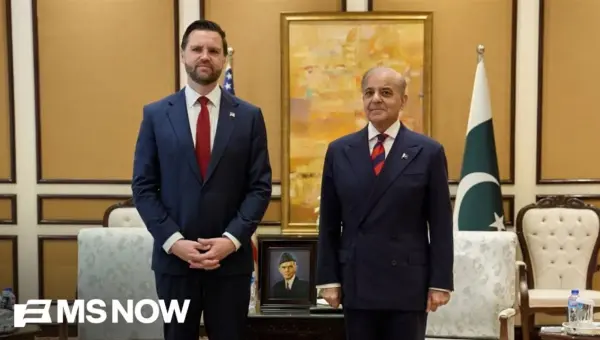
Top U.S. and Iranian delegations are holding landmark peace talks in Islamabad, Pakistan, mediated by the Pakistani government. This marks the first direct meeting between the two nations in nearly 50 years, with Vice President J.D. Vance leading the U.S. side.


Iran Talks Stall: US ‘Arrogance’ Fuels Mideast Stalemate
Peace talks between Iran and the U.S. in Pakistan have stalled due to what Iran calls "excessive demands" and a U.S. attempt to alter a pre-agreed 10-point framework. Tensions are high, with both sides expressing deep mistrust and a readiness for conflict.