Trump’s Pardon Promises Spark Fear of Abuse
Reports suggest Donald Trump is offering mass pardons to staff, raising concerns about the abuse of presidential power. This tactic, coupled with a Supreme Court ruling granting him immunity, has created anxiety and a potential shift in accountability.

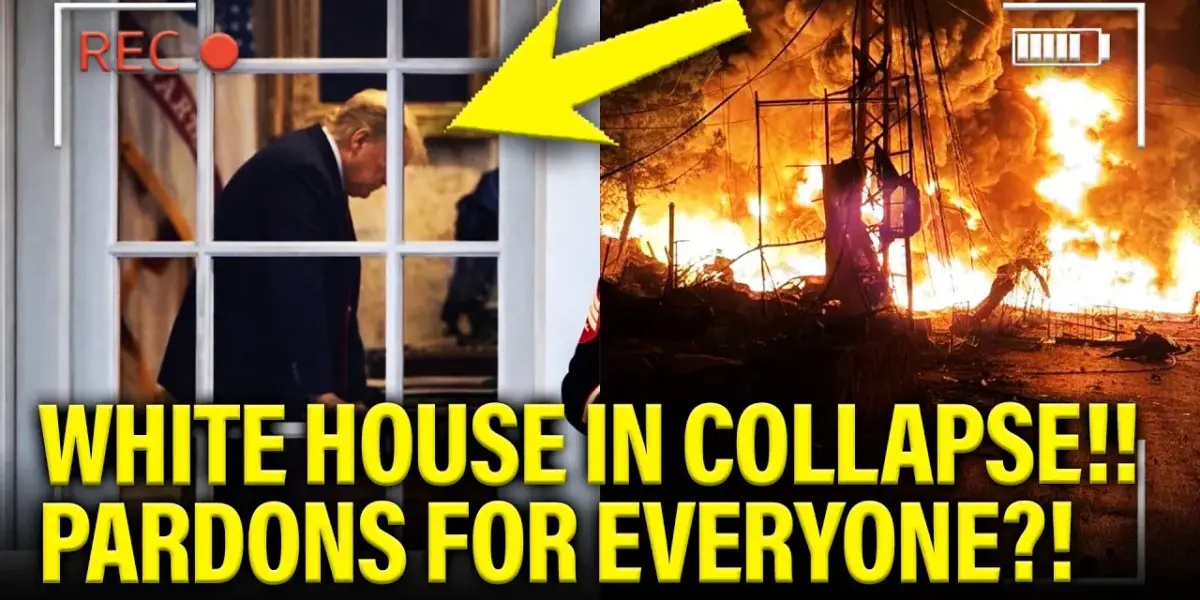
Trump’s Pardon Promises Spark Fear of Abuse
Reports suggest Donald Trump is offering mass pardons to his White House staff and allies before leaving office. This has raised serious concerns about the potential for abuse of presidential power. The Supreme Court has granted Trump immunity for actions taken as president, but this protection does not extend to his staff. This distinction has created widespread anxiety within his administration.
A ‘Criminal Regime’ and Mass Pardons
The current White House is described by some as a “criminal regime” operating like a “mafia boss.” With the Supreme Court’s ruling granting Trump absolute immunity for executive actions, many officials are reportedly terrified about potential legal consequences for their involvement in various alleged crimes. These range from actions abroad to alleged cover-ups of sensitive files and involvement in sex trafficking rings.
To keep his administration loyal and prevent leaks, Trump is reportedly promising pardons to those who remain faithful. The Wall Street Journal reported that Trump has offered mass pardons to staff, with some sources claiming he would pardon those within 200 feet of the Oval Office. This promise is seen as a way to maintain control and prevent staff from cooperating with potential investigations.
Pushback and Denials
The White House press secretary, Caroline Levitt, responded to the reports by suggesting the Wall Street Journal should “learn to take a joke.” She also stated that the president’s pardon power is absolute. This response has been interpreted by critics as a non-denial, further fueling concerns about the administration’s intentions.
Critics point out that this tactic of dismissing serious allegations as jokes or hyperbole is a recurring theme for the Trump administration. When confronted with controversial statements or actions, the defense often becomes that the president was not to be taken literally, or that his words were meant humorously.
Abuse of Pardon Power: A Historical Context
The use of presidential pardons has historically been a subject of scrutiny. Traditionally, pardons are considered for individuals who have served their time, admitted guilt, and shown rehabilitation. However, Donald Trump has significantly altered this norm. He has issued a large number of pardons, reportedly over 1,600, more than any previous president in a similar timeframe.
This has led to the rise of a cottage industry where former Trump lawyers allegedly charge clients millions of dollars for help securing pardons. Individuals involved in significant scandals, including those facing charges for fraud and corruption, have reportedly received pardons. This practice appears to bypass the usual meticulous review process, suggesting a system that prioritizes loyalty over justice.
Legal and Ethical Concerns
Legal experts express concern over the unprecedented scale and nature of Trump’s pardon power usage. Harry Litman, a legal analyst, notes that this approach deviates sharply from established norms. The pardon power, while broad, is intended to be used judiciously. Trump’s actions, however, are seen as a wholesale effort to “whitewash history” and cover up potential crimes, not just for himself but for his associates.
Furthermore, the concept of offering pardons as a reward for loyalty raises ethical questions. It can be seen as a quid pro quo, where officials are encouraged to engage in potentially illegal activities with the understanding that they will be protected. This creates a dangerous environment where accountability is undermined.
The RICO Analogy and Future Outlook
The discussion also touches upon the Racketeer Influenced and Corrupt Organizations (RICO) Act. This law holds members of an organization responsible for the actions of the group, even if they were not directly involved in every crime. The analogy suggests that if the Department of Justice leadership is involved in covering up crimes, even lower-level officials could potentially be held accountable as part of a criminal enterprise.
This line of thinking highlights the deep-seated fear among administration officials. They worry that even if they were following orders or unaware of certain actions, they could still face prosecution. The promise of a pardon, in this context, becomes a powerful incentive to maintain silence and loyalty.
Why This Matters
The potential for widespread pardons raises critical questions about the rule of law and the integrity of democratic institutions. If individuals can be shielded from accountability through presidential pardons, it erodes public trust and encourages further misconduct. The actions of the Trump administration, particularly regarding pardons, set a dangerous precedent.
This situation underscores the importance of checks and balances within the government. While the Supreme Court has granted immunity to the president, the actions of his staff and cabinet remain subject to legal scrutiny. The ongoing use and potential abuse of the pardon power will likely continue to be a significant issue, impacting both current investigations and the historical record.
Implications and Future Trends
The trend of using pardons to reward loyalty and potentially obstruct justice has serious implications. It suggests a willingness to exploit constitutional powers for personal or political gain. As the end of an administration approaches, the temptation to secure loyalty through such means can become overwhelming.
Looking ahead, the aftermath of these potential mass pardons will likely involve extensive legal battles and public debate. The definition and limits of the presidential pardon power will undoubtedly be tested. The public’s perception of fairness and accountability in the justice system could be significantly affected.
Historical Context
Presidential pardons have a long history in the United States, dating back to the Constitution. George Washington granted the first pardon in 1795. Throughout history, presidents have used this power for various reasons, including reconciliation after conflict, correcting perceived injustices, or showing mercy. However, the scale and nature of the pardons discussed in relation to the Trump administration appear to be a departure from historical norms.
Past controversies surrounding pardons, such as those involving Scooter Libby or Richard Nixon, highlight the sensitivity and potential for political backlash. However, the current situation, with allegations of pardons being used to cover up potential crimes and ensure loyalty, represents a significant escalation.
Conclusion
The reports of Donald Trump offering mass pardons signal a critical moment for the executive branch. The fear of legal repercussions among staff, coupled with the president’s willingness to use his pardon power to ensure loyalty, creates a volatile situation. This practice, if carried out on a large scale, could undermine the justice system and set a troubling precedent for future administrations.
Source: Trump’s WH in COLLAPSE MODE over WAR…BEG FOR PARDONS!!! (YouTube)

Related Articles
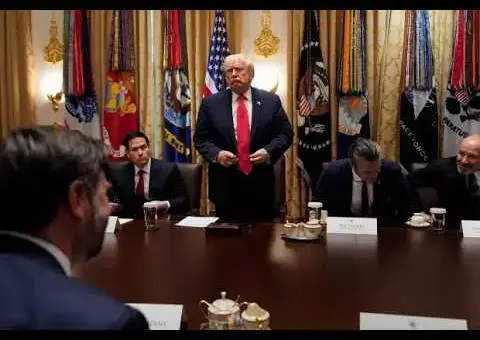
Trump’s Pardon Promises Fuel Lawlessness Fears
Donald Trump's controversial promise to pardon those near the Oval Office raises alarms about encouraging lawlessness. Legal experts warn that while pardons have limits, such statements signal a disregard for legal principles and could embolden supporters to engage in questionable activities, believing they will be shielded from consequences.

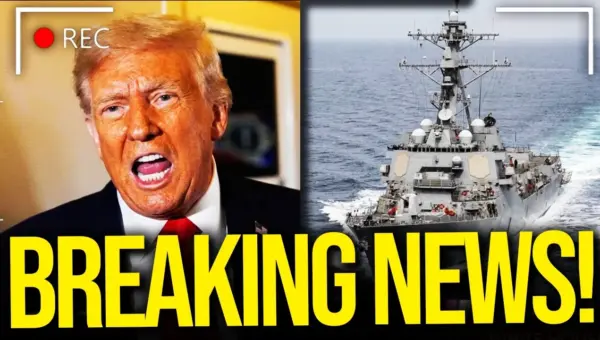
Trump’s Iran Claims Crumble Amidst Navy Ship Standoff
Reports indicate U.S. Navy destroyers were forced to turn back from the Strait of Hormuz due to Iranian threats, contradicting former President Trump's claims of military victory and open passage. Senator JD Vance is currently involved in delicate negotiations.

Trump’s Iran Threat: Not Bluster, But a Warning Sign
MSNBC's Ali Velshi warns against dismissing Donald Trump's threat to destroy Iran's 'civilization' as mere talk. History shows dehumanizing language can precede mass atrocities. Velshi urges Americans to speak out against such rhetoric at the ballot box and in public spaces.