Hollywood’s 2026 Jitters: What’s Next for Marvel, DC & More?
Hollywood's 2026 outlook is clouded by Super Bowl trailer silence and mixed audience reactions to major releases. From DC's 'Supergirl' casting concerns to Marvel's franchise fatigue, the industry faces a critical juncture.

Hollywood’s 2026 Jitters: What’s Next for Marvel, DC & More?
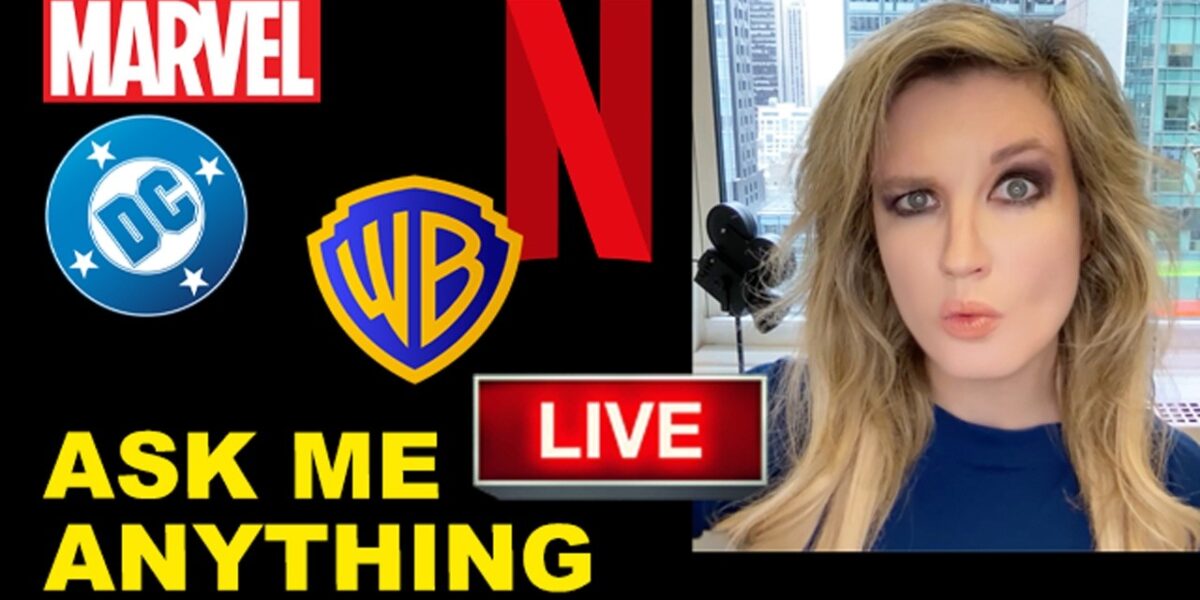
As the calendar inches closer to 2026, a palpable sense of unease is rippling through Hollywood, particularly within the powerhouse studios of Marvel, DC, and the streaming giant Netflix. While the year was initially pegged as a potential blockbuster bonanza, a surprising lack of promotional material, especially following the Super Bowl, has industry insiders and fans alike feeling a mix of apprehension and cautious optimism. This sentiment was a central theme during a recent ‘Ask Me Anything’ live stream, where entertainment journalist Grace offered a candid look at the current landscape and what audiences might expect.
Super Bowl Silence Sparks Concern
The Super Bowl, traditionally a massive platform for blockbuster trailers and major announcements, proved to be a significant disappointment this year. “The lack of trailers… I think Hollywood is just being cheap,” Grace noted, echoing a sentiment shared by many.
This silence, coupled with a perceived slowdown in major releases, has fueled concerns about the industry’s forward momentum. While some studios might be holding back for strategic reasons, the absence of the usual fanfare has left many questioning the robust slate initially anticipated for 2026.
‘Weathering Heights’ Divides Critics, Captivates Audiences
One of the most talked-about releases discussed was the adaptation of ‘Weathering Heights.’ Despite receiving mixed reviews from critics, the film has seen an “incredible” box office performance, with reports of added showtimes due to high demand. “I’m surprised by the lack of interest in the movie, certainly from the usual film space,” Grace commented, observing that the primary engagement seemed to come from fans of the original novel, who were notably divided on the adaptation. This dichotomy between critical reception and audience turnout highlights a recurring trend in the current film market, where audience enthusiasm can sometimes defy critical consensus.
DC Studios: A Future in Flux
The future of DC Studios under the new leadership of James Gunn and Peter Safran remains a significant point of discussion. While Gunn has outlined an ambitious slate, the execution and reception of early projects are being closely scrutinized.
Grace expressed disappointment with the current trajectory of ‘Supergirl,’ noting, “I’m disappointed in how Supergirl is coming together.” She questioned the casting choice for the lead, suggesting that while the actress might be capable, she may lack the “main character energy” needed to anchor a major franchise. The uncertainty surrounding DC’s output, coupled with the ongoing potential sale of Warner Bros., adds another layer of complexity to the studio’s outlook.
Marvel Studios: Navigating Saturation and Strategy
Marvel Studios, the titan of the superhero genre, is also facing its own set of challenges. While projects like ‘Wonderman’ are garnering positive attention, Grace questioned whether Disney’s marketing efforts would be enough to secure Emmy nominations, citing the crowded television landscape. The franchise’s sheer volume of content has led to discussions about potential oversaturation.
The recent performance of ‘Avatar 3’ (referred to as ‘Avatar Fire and Ash’ in the transcript) prompted a discussion about franchise fatigue. Despite its financial success, the film’s cost versus its domestic gross raised questions about the long-term sustainability of such massive budgets, with a call for longer breaks between sequels to maintain audience interest.
Netflix and Other Streaming Platforms: A Shifting Landscape
Beyond the major studios, Netflix’s content strategy and the broader streaming wars continue to evolve. Grace touched upon the difficulty of reacting to certain trailers, such as those from Universal, due to content ID claims, highlighting the ongoing challenges content creators face in the digital space. The discussion also touched upon the perceived decline in the quality of promotional materials and the need for studios to adapt their strategies to capture audience attention in an increasingly fragmented media environment.
The Super Bowl Halftime Show: A Bright Spot?
Amidst the industry anxieties, the Super Bowl halftime show, headlined by Bad Bunny, received praise. Grace found the performance “charming” and was particularly impressed by the production values. She noted the artist’s ability to deliver a patriotic yet inclusive performance, emphasizing a message of “love is stronger than hate.” However, even this success was tempered by the observation that the show seemed more tailored for at-home viewing than for the stadium audience, a subtle critique of the event’s overall execution.
Looking Ahead: Uncertainty and Anticipation
As Hollywood navigates these complex dynamics, the prevailing sentiment is one of cautious anticipation. The industry is grappling with evolving audience tastes, the challenges of franchise fatigue, and the ever-changing streaming landscape.
While the exact shape of the 2026 slate remains uncertain, the conversations around these potential hits and misses highlight the passionate, and sometimes divided, relationship audiences have with the entertainment they consume. The coming months will be crucial in determining whether the industry can recapture the magic that has long defined its biggest blockbusters.
Source: Ask Me Anything February 2026 – Marvel MCU, DC Studios, Warner Bros, Netflix (YouTube)

Related Articles

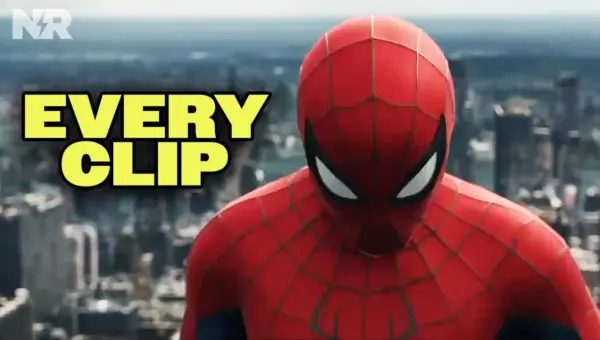
Spider-Man’s New Look: First Glimpse of ‘Brand New Day’ Trailer!
Sony's 'Spider-Man: Brand New Day' is teasing its upcoming trailer with short video clips, revealing new looks for Peter Parker and hinting at major plot developments. Fans are dissecting the visuals, which include nods to comic history and potential new powers.
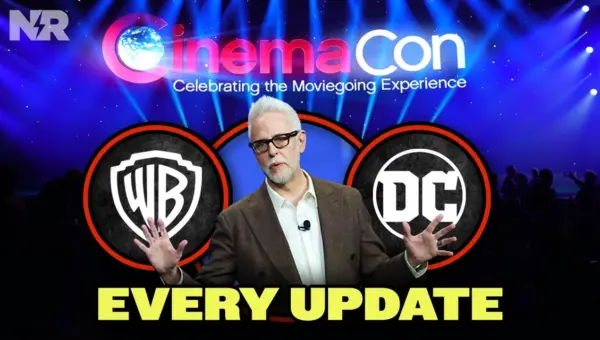
DC’s Future Revealed: ‘Superman’ & ‘The Batman 2’ Updates!
Warner Bros. dropped major DC movie news at CinemaCon, revealing the official title 'Superman: Legacy' and confirming 'The Batman Part 2' for 2026. Get the latest on upcoming superhero films and more from the DC universe.

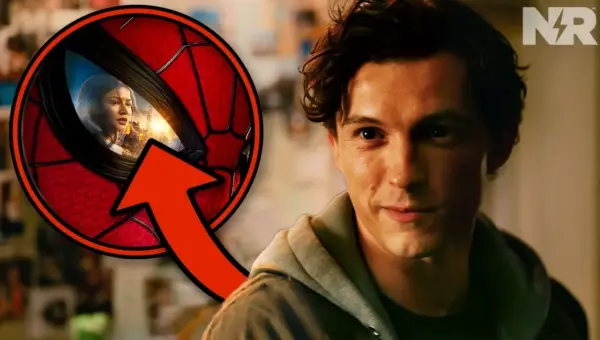
Spider-Man’s New Era: Emotional Depth and Shocking Revelations Emerge
Sony's CinemaCon presentation unveiled exclusive footage for 'Spider-Man: Brand New Day,' hinting at a more emotional and mature story for Peter Parker. The scene reveals Peter's isolated life post-'No Way Home,' his friend Ned's investigation into Spider-Man's identity, and MJ's rejection of a mysterious corporation, sparking theories about new villains and plot twists.