Hungary Election: Orban Faces Upset as Majar Gains Momentum
Hungary is poised for a pivotal general election this Sunday, with incumbent Prime Minister Viktor Orban facing a strong challenge from opposition leader Peter Majar. Polls suggest a potential upset, as Majar promises to mend ties with the EU and tackle corruption. Orban, however, campaigns on stability and national interest amidst allegations of foreign interference.

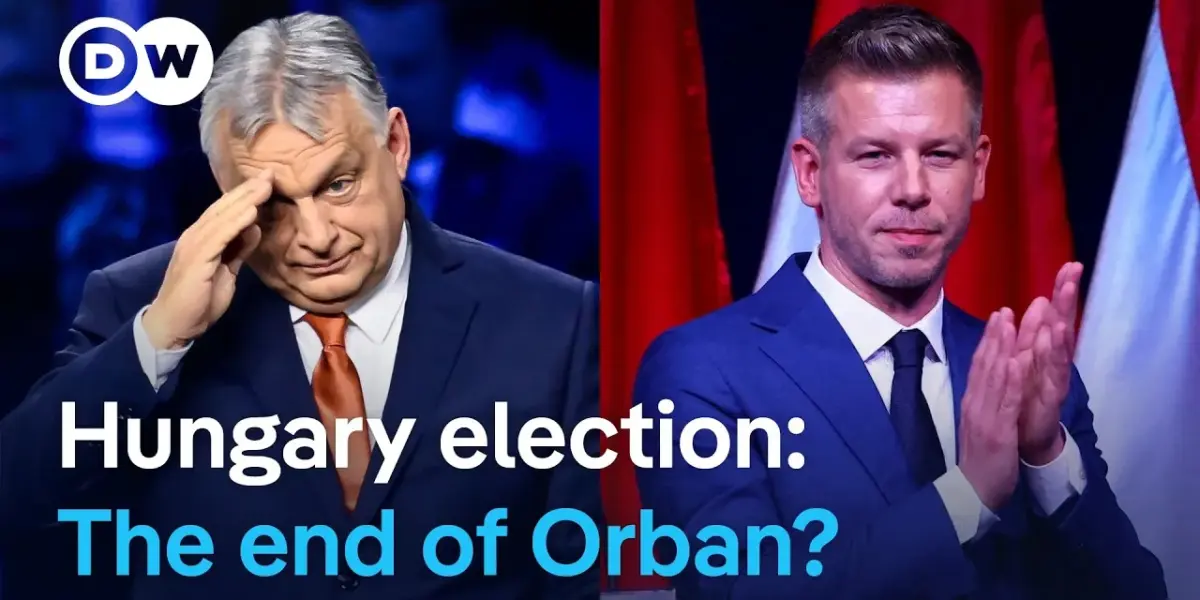
Hungary on Brink of Major Political Shift as Election Looms
Hungary is heading into a critical general election this Sunday, with Prime Minister Viktor Orban facing a strong challenge from opposition leader Peter Majar. Opinion polls suggest Orban, who has been in power for 16 years, could be ousted by Majar, a former ally who promises to mend Hungary’s strained relationship with the European Union. The election comes amid widespread allegations of corruption and foreign interference that have fueled public discontent.
Majar Promises EU Rapprochement and Anti-Corruption Drive
Peter Majar, a center-right politician, has emerged as a formidable contender after defecting from Orban’s Fidesz party. He has vowed to steer Hungary away from its current isolationist path and restore ties with European nations. Majar emphasizes the importance of the European Union and NATO, stating that these alliances have allowed Hungary to live in peace. “We know the European Union has its flaws, of course,” Majar said at a rally, “But the fact that we can live in peace here today and that we at least have a chance once we take our homeland back to make this once again a functioning humane and peaceful country is thanks to this dual alliance system, the European Union and NATO.”
The opposition’s core message focuses on tackling corruption, a persistent issue that has plagued Orban’s government. Recent weeks have seen a surge of damaging news stories, including whistleblower claims of government interference in investigations and alleged spying for Russia. These revelations have reached a wide audience, especially in a country the size of Hungary, with one interview watched over a million times in a single day, highlighting the impact of these accusations.
Orban Campaigns on Stability and National Interest
Prime Minister Viktor Orban, a populist leader known for his nationalist stance, has framed the election as a choice between stability and potentially dangerous change. He held his own rally, warning voters that a government prioritizing Ukrainian interests over Hungarian ones would divert national funds to Ukraine. “If Hungary ends up with a government that represents the interests of Ukrainians rather than Hungarians, then Hungary’s money will be taken to Ukraine. That’s what’s at stake in this election,” Orban stated.
Orban’s supporters view him as a symbol of stability, especially in a turbulent global climate. One supporter noted, “The whole world is boiling. We need stability here. This is not the time to experiment with a new government, a new prime minister, especially not one like Peter Majar.” Orban has consistently positioned himself as a defender of Hungarian sovereignty against perceived interference from Brussels, a message that has resonated with his base in past elections.
Foreign Interference Claims and Shifting Narratives
Orban’s government has frequently accused foreign powers, particularly the EU, of meddling in Hungary’s domestic affairs and election campaigns. This narrative has been a cornerstone of Orban’s political strategy, portraying him as a strong national leader protecting Hungary’s interests. However, recent analysis suggests this message may be losing its effectiveness.
While Orban has historically benefited from portraying himself as a bulwark against external forces, this election cycle sees his anti-EU rhetoric potentially weakened. The struggling economy is a growing concern for voters, making them less receptive to fear-mongering tactics. Furthermore, Orban’s own government has been accused of seeking help from foreign entities, including Russia and figures from the far-right across Europe, which critics argue constitutes its own form of foreign interference.
Potential for Swift Change or Lingering Opposition
The outcome of Sunday’s election could lead to significant changes in Hungary, depending on the margin of victory for Peter Majar’s party. If Majar’s party secures a two-thirds supermajority in parliament, it would enable them to quickly repeal many of the laws and decisions made by the Orban government over the past 16 years. This would allow for a rapid rollback of Orban-era policies and a swift pivot towards EU alignment.
However, even a decisive victory might not guarantee an easy transition. Critics worry about the concentration of power that a supermajority could bring. Moreover, the Orban government has deeply embedded its influence across various sectors, including universities, the judiciary, and the media, often through loyal businessmen. These entrenched interests could pose significant obstacles for Majar and his party, even if they win the election, making the process of enacting substantial change a complex and challenging endeavor.
What’s Next for Hungary
As Hungary stands at a political crossroads, the election on Sunday will determine its future direction. Voters will decide whether to continue with Orban’s long-standing leadership, emphasizing stability and national sovereignty, or to embrace Majar’s vision of change, closer ties with the EU, and a renewed focus on combating corruption. The potential for a supermajority could accelerate reforms, but deep-seated influences may temper the pace of change. All eyes will be on Hungary as it casts its vote.
Source: Orban vs Magyar: Hungary heads into high-stakes election | DW News (YouTube)

Related Articles
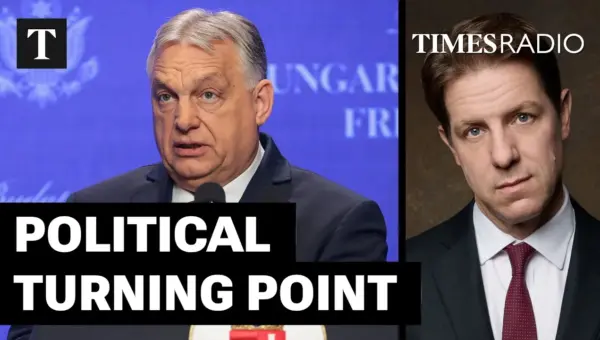
Hungary Votes: Orban Faces Upset Amid Corruption Scandals
Hungary's Prime Minister Viktor Orbán faces a potential electoral defeat today after 16 years in power. Despite efforts to control the system, corruption scandals and voter fatigue have boosted opposition challenger Péter Márki-Zay. The election could signal a rejection of Orbán's 'illiberal democracy'.

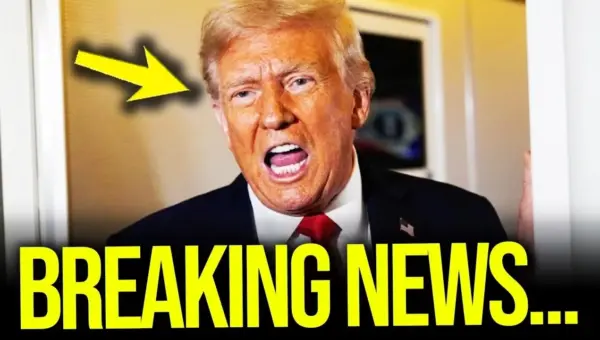
Corruption and Accountability: A Deep Dive
This analysis delves into the critical issues of corruption and accountability in politics. It examines the controversial use of presidential pardon powers, perceived double standards in applying laws like the Hatch Act, and the need for robust investigations into serious allegations against public figures. The piece explores proposed measures to "Trump-proof" government and the Democratic Party's challenge in upholding its own ethical standards.

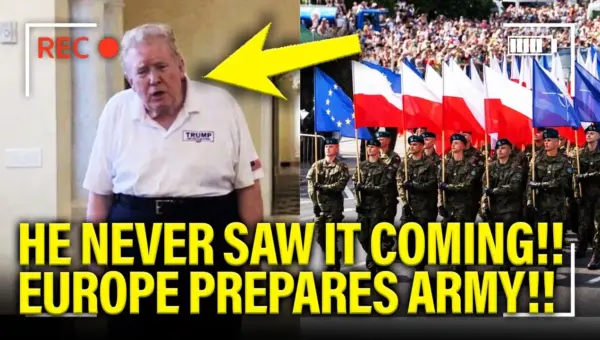
Europe Builds Own Army as US Security Role Fades
European leaders are pushing to form their own army, frustrated by Donald Trump's stance on NATO and US security commitments. Spain and Ukraine are leading the charge, advocating for immediate action to build a common defense. This shift reflects a growing desire for European self-reliance in security matters.