Bolton Warns: Iran’s Pick for Talks Is a Risky Gamble
John Bolton criticizes the idea of sending VP Harris to Iran talks and expresses alarm over Iran's specific request for Senator JD Vance. The analysis warns this could weaken the U.S. position and lead to appeasement.


Bolton Warns: Iran’s Pick for Talks Is a Risky Gamble
Former U.N. Ambassador John Bolton is raising serious concerns about the United States sending Vice President Kamala Harris to meet with Iranian officials. He believes this is a mistake because it places someone too close to President Biden in such sensitive talks. However, an even bigger issue has emerged: Iran specifically requested Senator JD Vance to be part of the negotiation team. Bolton argues that letting an adversary choose who you negotiate with is a major problem. This is especially true since Vance lacks significant experience in these kinds of complex negotiations.
The source of Vance’s instructions is also unclear. He presumably has guidance from former President Donald Trump, but the specifics of that guidance remain unknown. The speaker suggests that Trump himself might not be fully confident in Vance’s abilities for this role. The idea of a ceasefire, which seems to be part of the discussion, is also viewed critically. It’s seen as giving Iran much-needed breathing room, which ultimately benefits them.
There’s a worry that Vance might convey the same sense of panic that Trump’s unpredictable actions often create. This kind of behavior could actually make Iran’s position even stronger and less flexible. Therefore, it’s not clear if any real progress can be made in these talks. Vance is unlikely to want to be remembered as someone who appeased Iran, much like Neville Chamberlain did in a past conflict. While Vance has limitations, he understands Trump’s desire to find a way out of the current situation, and he will likely attempt to achieve this.
The Danger of Appearing Weak
The concern is that in seeking a way out, the U.S. could be put in a position of weakness. The transcript points to a past situation involving Donald Trump. He had threatened severe action against Iran, even mentioning destroying their culture. Yet, he then backed down and allowed Iran access to the Strait of Hormuz. This series of actions is described as an unprecedented feat, where Trump simultaneously acted like a strongman and a appeaser.
His threats of extreme measures were followed by significant concessions. This passive approach and appeasement, rather than resolving issues, may have made the situation worse. The analysis suggests that Trump’s approach was contradictory, creating a confusing and potentially detrimental dynamic in international relations. This situation highlights the delicate balance required in foreign policy negotiations, where perceived strength and clear intentions are crucial.
Historical Context: Appeasement and Negotiation
The mention of Neville Chamberlain brings to mind the historical policy of appeasement in the lead-up to World War II. Chamberlain, the British Prime Minister, sought to avoid war with Nazi Germany by making concessions to Hitler. His most famous act was the Munich Agreement of 1938, which allowed Germany to annex parts of Czechoslovakia. While Chamberlain hoped this would bring lasting peace, it ultimately emboldened Hitler and failed to prevent the war.
The comparison to Vance and Trump’s potential actions suggests a fear that similar concessions could be made today. In international diplomacy, the goal is often to de-escalate tensions and find peaceful solutions. However, this must be done from a position of strength and clarity. When a nation appears desperate or weak, adversaries may exploit that vulnerability. This can lead to outcomes that are not in the best interest of the nation making the concessions.
Why This Matters
This situation matters because it highlights the complex and high-stakes nature of international diplomacy, especially when dealing with adversaries like Iran. The choice of negotiators, their experience, and the instructions they carry can have significant consequences. Allowing an opponent to dictate terms or choose negotiators can undermine a nation’s leverage and perceived strength. It raises questions about the credibility and effectiveness of U.S. foreign policy when such decisions are influenced by external demands or internal political calculations.
Furthermore, the analysis suggests that a perceived lack of clear strategy or a tendency towards contradictory actions, as described with Donald Trump, can create instability. It can lead adversaries to miscalculate intentions or embolden them to press for more. The outcome of such negotiations impacts not only the immediate parties involved but also regional and global security. The transcript implies that finding a way out of conflict should not come at the cost of national security or international standing.
Implications and Future Outlook
The implications of Vance potentially negotiating under Trump’s direction are significant. If Vance is perceived as seeking a quick exit without securing favorable terms, it could embolden Iran. It might also signal to other global actors that the U.S. is willing to make significant compromises under pressure. This could weaken alliances and encourage more assertive behavior from rivals.
Looking ahead, the effectiveness of U.S. diplomacy will depend on maintaining a clear, consistent, and strong negotiating position. This requires experienced negotiators who are not unduly influenced by domestic political pressures or the demands of adversaries. The trend in international relations often favors nations that project confidence and strategic clarity. The future outlook suggests that navigating complex geopolitical challenges will require careful consideration of who represents the nation and on what terms they engage in critical discussions.
Source: Even John Bolton Says This Is a Mistake #politics #fyp #new (YouTube)

Related Articles
Trump’s Pakistan Deal Collapses, Media Confrontation Erupts
Negotiations in Pakistan involving Iran have reportedly collapsed, leading to a heated exchange between Donald Trump and the media. The breakdown raises questions about U.S. foreign policy effectiveness and the accuracy of political claims regarding the conflict with Iran.
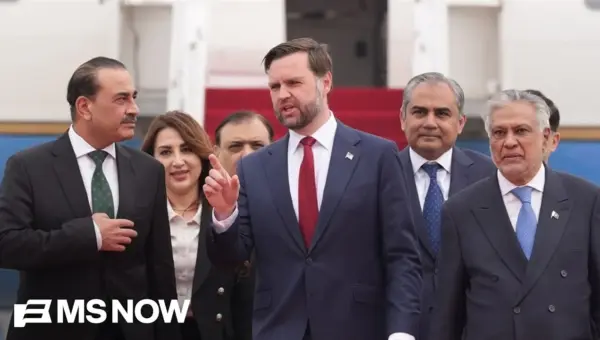
Iran Nuclear Deal Expert Warns Against Quick Deal Expectations
Robert Malley, a key negotiator of the 2015 Iran nuclear deal, warns against expecting a quick or easy resolution in current U.S.-Iran peace talks. He stresses that any agreement will require compromise from both sides, not surrender. Malley suggests the current talks may focus on immediate steps like reopening the Strait of Hormuz and sanctions relief, laying groundwork for future, more comprehensive discussions.

Trump’s Iran Claims Crumble Amidst Navy Ship Standoff
Reports indicate U.S. Navy destroyers were forced to turn back from the Strait of Hormuz due to Iranian threats, contradicting former President Trump's claims of military victory and open passage. Senator JD Vance is currently involved in delicate negotiations.