US Faces Global Backlash Over ‘Imperial Overreach’
Growing criticism suggests the United States is overextending its global power, alienating allies and citizens alike. This analysis explores the perceived shift from a republic to an empire, the internal debates on patriotism, and the manipulation of fear and beliefs. The piece emphasizes the importance of democratic participation as a means to reclaim the nation's founding ideals.

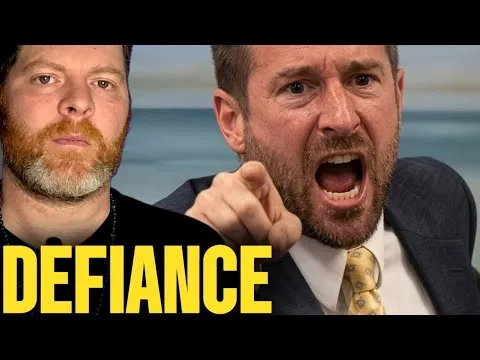
US Faces Global Backlash Over ‘Imperial Overreach’
The United States is facing growing criticism both at home and abroad for what many see as an overreach of its global power. This sentiment is fueled by a perception that the nation’s foreign policy has become detached from its founding ideals, leading to a disconnect between the government and its citizens, as well as with the international community. The core of the issue lies in a perceived shift from a republic focused on liberty to an empire driven by military and economic might.
Critique of US Foreign Policy
Critics argue that the United States has become too focused on projecting power and influencing other nations, often through military intervention and economic pressure. This approach is seen as “vain glorious,” meaning it’s driven by pride and a desire for glory rather than genuine concern for global well-being. The transcript suggests that this pursuit of dominance is ultimately self-defeating and out of step with the modern world, which increasingly rejects such assertive foreign policies. The idea is that this “empire phase” cannot last because it goes against the natural desire for independence and self-determination in other countries.
Internal Division and Patriotism
Within the United States, there’s a deep division over the nation’s direction. Some believe that questioning the government’s actions, especially its foreign policy, is not unpatriotic but rather a sign of true patriotism. They feel that speaking out against what they see as destructive policies is essential to upholding the country’s original values. This perspective contrasts sharply with a view that emphasizes unwavering support for the government and its military, often referred to as the “military-industrial complex.” The transcript highlights a concern that challenging the status quo is being wrongly labeled as anti-American, when in reality, it’s an attempt to return the country to its foundational principles.
Historical Context and Founding Principles
The analysis draws a line from the nation’s founding fathers to the present day. The argument is that the current state of affairs, characterized by a powerful military and a proactive foreign policy, is not what the founders envisioned. The emphasis was meant to be on liberty and a republic, not on global domination. This historical perspective suggests that the United States has strayed significantly from its original path. The transcript implies that true patriotism involves upholding these original ideals, even if it means challenging current government policies.
The Role of Fear and Insecurity
A significant part of the critique focuses on how fear and insecurity are being exploited. The transcript suggests that certain political movements and government actions create an atmosphere of fear, which is then used to control people and label dissenters as enemies. For example, the idea of labeling those who oppose certain government policies as “domestic terrorists” is seen as a dangerous tactic. This is linked to a broader concern about the “weaponization of fools and idiots,” suggesting that a lack of critical thinking is being exploited by those in power to push their agenda.
Misuse of Belief Systems
The transcript also touches on the manipulation of deeply held beliefs, particularly Christianity. It argues that the core tenets of Christianity – peace, acceptance, and humility – are being twisted into something hateful and divisive by certain political forces. This is presented as a “defilement” of a peaceful religion, turning it into a tool for political gain. The example of the Pope speaking out against such trends is cited as a defense of true religious values against political appropriation.
Economic and Social Impact
While the transcript doesn’t detail specific economic figures or treaties, it implies that the pursuit of global power has significant domestic consequences. The focus on military spending and foreign interventions is seen as diverting resources and attention from domestic needs. Furthermore, the divisive rhetoric and the labeling of dissenters contribute to social fragmentation. The core message is that the current trajectory is harmful not only to the United States but also to the global community, which suffers from the consequences of American foreign policy.
Future Scenarios and the Importance of Voting
Despite the strong critique, there’s a persistent belief in democracy and the power of the people. The upcoming elections are highlighted as crucial. Voting is presented as a fundamental way to hold leaders accountable and a potential last line of defense against further national decline. The idea is that if the right to vote is threatened, the system itself may not be worth saving, but reforming it is essential. The hope is that by reasserting democratic principles, the United States can be resurrected to its intended purpose, benefiting both its citizens and the world.
Global Impact
The critique of American “imperial overreach” has significant global implications. If the US continues down this path, it risks alienating allies and increasing instability worldwide. The perception of the US as an overbearing power can fuel anti-American sentiment and encourage rival nations to challenge US influence. Conversely, a US that re-centers on its democratic ideals and engages with the world through cooperation rather than coercion could foster greater global stability and trust. The transcript suggests that the world is watching, and the choices made now will determine whether the US contributes to global well-being or further division.
Source: The American Empire is Failing (And They Know It) (YouTube)

Related Articles
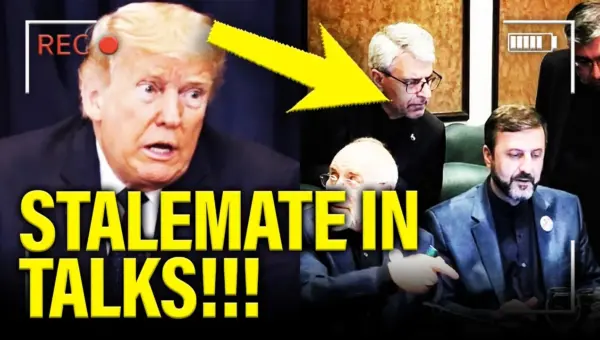
Iran Talks Stall: US ‘Arrogance’ Fuels Mideast Stalemate
Peace talks between Iran and the U.S. in Pakistan have stalled due to what Iran calls "excessive demands" and a U.S. attempt to alter a pre-agreed 10-point framework. Tensions are high, with both sides expressing deep mistrust and a readiness for conflict.
US Clears Hormuz Mines Amid Pakistan Peace Talks
The U.S. Navy is clearing mines from the Strait of Hormuz as critical peace talks involving Iran unfold in Pakistan. This dual approach aims to secure vital oil shipping lanes and de-escalate regional tensions, though significant challenges and potential future conflicts remain.
US Pilot Rescued from Iran Amidst Escalating Tensions
A U.S. pilot was dramatically rescued from Iran after nearly 45 hours behind enemy lines, following the crash of an F-15 fighter jet. The massive operation unfolded amid escalating tensions and controversial threats from President Trump regarding Iranian infrastructure.