Iran’s Strait of Hormuz Standoff Tests U.S. Negotiation Skills
Negotiations between the U.S. and Iran over the vital Strait of Hormuz have stalled, with Iran holding firm on key demands. This standoff highlights complex issues of leverage and strategy, with significant global implications for energy markets and regional stability.

Iran’s Strait of Hormuz Standoff Tests U.S. Negotiation Skills
High-stakes talks between the United States and Iran have hit a major roadblock. The core issue is control over the Strait of Hormuz, a vital waterway for global oil transport. Iran is reportedly standing firm on its key demands, leaving the Trump administration searching for a way out of the difficult situation.
This standoff raises important questions about who has the upper hand in negotiations. It also highlights the strategies being used and what the future might hold for U.S.-Iran relations. The situation is complex, with significant implications for regional stability and international trade.
The Importance of the Strait of Hormuz
The Strait of Hormuz is a narrow channel connecting the Persian Gulf to the open ocean. A significant portion of the world’s oil supply passes through this critical chokepoint every day. Any disruption here can send shockwaves through global energy markets, affecting prices and supply chains worldwide.
Because of its strategic importance, control over the Strait has long been a point of tension between Iran and other global powers. Iran views its influence in the region as a key part of its national security and foreign policy. The U.S. and its allies, on the other hand, are focused on ensuring freedom of navigation and stable oil flows.
Negotiations Under Pressure
The current negotiations, as described by analyst Adam Mockler, are stalled. Iran’s refusal to budge on its demands suggests a high degree of confidence in its negotiating position. This could be based on various factors, including its regional influence and the perceived urgency of the U.S. to resolve the issue.
The Trump administration is described as scrambling for an ‘off-ramp.’ This suggests they are looking for a way to de-escalate the situation or find a compromise without appearing to concede too much. Such situations often involve careful maneuvering and a deep understanding of the other side’s motivations and limits.
Leverage and Strategy in Diplomacy
The concept of leverage is central to any negotiation. It refers to the power or advantage one party has over another. In this case, Iran’s leverage might stem from its control over the Strait of Hormuz and its willingness to disrupt shipping. The U.S., in turn, might use economic sanctions or the threat of military action as its leverage.
Mockler’s analysis points to the difficulty when one side holds a critical strategic asset. Iran’s firm stance indicates they believe their leverage is strong enough to resist U.S. pressure. The administration’s search for an off-ramp shows they are reassessing their own leverage and perhaps looking for alternative strategies.
Historical Context
U.S.-Iran relations have been tense for decades, marked by periods of direct confrontation and complex diplomatic efforts. The Strait of Hormuz has frequently been a flashpoint. In the past, Iran has threatened to close the Strait during times of heightened tensions, leading to international concern and naval patrols by the U.S. and its allies.
These historical patterns of brinkmanship and negotiation inform the current situation. Both sides are likely drawing on past experiences to shape their current strategies. Understanding this history is key to grasping the depth of the current standoff and the challenges involved in finding a resolution.
Why This Matters
The outcome of these negotiations has far-reaching consequences. For the United States, a successful resolution would mean maintaining stability in a crucial region and securing global energy supplies. Failure could lead to increased regional tensions, potential conflict, and economic disruption.
For Iran, asserting its demands successfully could bolster its regional standing and potentially ease international pressure. However, an escalation could lead to severe economic consequences and further isolation. The global community watches closely, as disruptions in this region affect economies and political stability far beyond the Middle East.
Implications and Future Outlook
The current impasse suggests that finding common ground will be difficult. Iran’s firm position indicates a potential shift in regional dynamics, where Tehran feels more empowered. The U.S. administration faces the challenge of projecting strength while avoiding a conflict that could have devastating consequences.
Looking ahead, several scenarios are possible. Negotiations could continue with incremental progress, or they could break down entirely, leading to increased confrontation. The role of international diplomacy and the involvement of other global powers could also become more significant if the situation deteriorates. The path forward remains uncertain, requiring careful diplomacy and a clear understanding of the stakes involved.
Source: Trump NUKES JD Vance CAREER with BACKFIRE! (YouTube)

Related Articles

Iran Nuclear Deal Expert Warns Against Quick Deal Expectations
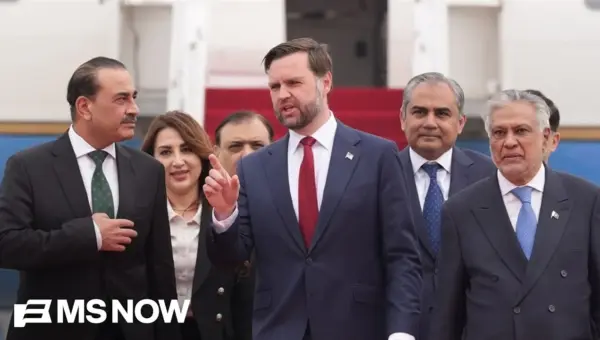
Robert Malley, a key negotiator of the 2015 Iran nuclear deal, warns against expecting a quick or easy resolution in current U.S.-Iran peace talks. He stresses that any agreement will require compromise from both sides, not surrender. Malley suggests the current talks may focus on immediate steps like reopening the Strait of Hormuz and sanctions relief, laying groundwork for future, more comprehensive discussions.

US Minesweepers Clear Strait of Hormuz Amid Peace Talks
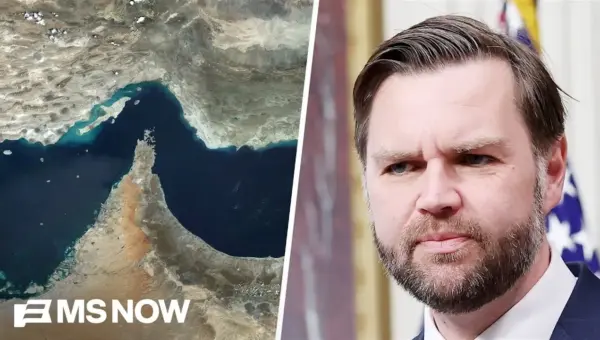
U.S. forces have commenced mine-clearing operations in the Strait of Hormuz, a critical waterway, amid high-level peace talks with Iran in Pakistan. The operation, seen as a positive sign, occurs while diplomats discuss Iran's nuclear program and regional stability. Experts weigh the risks, Iran's strategic leverage, and the complex interplay of international relations, including Israel's ongoing military actions.

US, Iran Hold Landmark Peace Talks in Pakistan
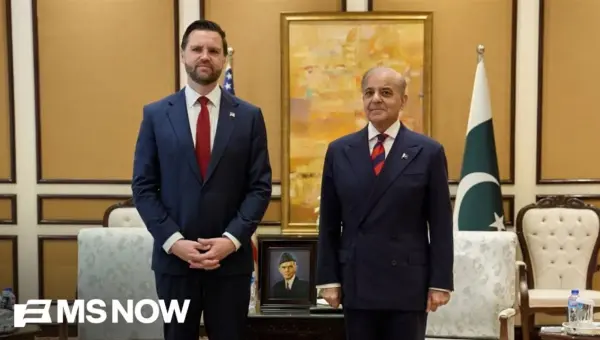
Top U.S. and Iranian delegations are holding landmark peace talks in Islamabad, Pakistan, mediated by the Pakistani government. This marks the first direct meeting between the two nations in nearly 50 years, with Vice President J.D. Vance leading the U.S. side.