Democrats Fight Over Streamer: A Self-Inflicted Wound
A dispute within the Democratic Party over whether to appear on streamer Hasan Piker's show highlights a struggle with engaging new media. While some, like Cory Booker, avoid controversy, others, like Ro Khanna, argue for broader engagement to connect with diverse audiences.


Democrats Fight Over Streamer: A Self-Inflicted Wound
While Republicans grapple with their own challenges, the Democratic Party is currently experiencing a peculiar internal struggle. This division, focused on whether or not to appear on the stream of a popular online personality named Hasan Piker, seems remarkably trivial given the broader issues facing the nation. It’s a debate that risks dividing the party over something many see as inconsequential.
A recent report highlighted this internal conflict. Many Democrats are stating they will not participate in Hasan Piker’s online show. Among them is Senator Cory Booker, a potential presidential candidate in 2028. Booker appeared on the podcast “Pod Save America,” a program generally seen as centrist within the Democratic sphere. He stated he had never heard of Hasan Piker until recently and had not heard him speak. However, an aide to Booker told Politico that Piker’s past comments on sensitive topics like Jewish people and 9/11 were not the kind of discussions Booker engages in.
This response raises questions. How can Booker claim ignorance of Piker, arguably a significant voice on the left, while his staff clearly knew enough about Piker’s controversial statements to refuse an appearance? This apparent contradiction suggests a lack of honesty, a quality many voters find undesirable in political leaders, especially those aspiring to higher office.
A Call for Engagement
Offering a different perspective, Representative Ro Khanna has urged Democrats to engage more broadly. He believes the lesson from recent elections is the need to be present and connect with diverse audiences. Khanna argues that in a complex democracy, politicians should defend their views and not shy away from difficult conversations. He stated that those who advise against engagement risk losing future elections.
Khanna also pointed out that the Democratic Party has often been too hesitant to mix it up and engage with different platforms. He noted that Vice President Vance appeared on multiple Sunday shows, while he felt Democratic voices were absent. This suggests a missed opportunity to communicate their message to a wider audience.
The Importance of Dialogue
The author of the original piece admits to not regularly watching many left-leaning streamers, including Hasan Piker. However, based on limited exposure, Piker does not come across as overtly anti-Semitic. The author acknowledges that they wouldn’t agree with 100% of anything Piker says, just as they don’t agree with every word from other political commentators or even from people they know personally. This is a normal part of human interaction and political discourse.
The core argument is that focusing on a few points of disagreement should not lead to completely dismissing individuals or platforms. If the party chooses to write off people because of a few past remarks, it’s akin to surrendering before the election even begins. This approach is seen as counterproductive and damaging to the party’s broader goals.
Confrontation Over Avoidance
The suggestion is that when invited for a one-on-one conversation, especially on a platform with a large audience like Piker’s, politicians should accept the invitation. This offers a chance to directly confront differing views, ask clarifying questions, and defend their own positions. It’s a more constructive approach than simply refusing to engage.
Writing off Hasan Piker due to a few past statements is viewed as a missed opportunity and a sign of lacking the necessary courage for political leadership. The debate within the Democratic Party over this issue is seen as a distraction from more pressing matters.
Why This Matters
This internal Democratic debate highlights a broader challenge for political parties in the digital age: how to engage with new media and diverse audiences. Hasan Piker commands a significant following, particularly among younger progressives. For politicians seeking to connect with these voters, appearing on his stream could be a valuable opportunity. However, past controversial statements create a risk, leading to a difficult calculation.
The disagreement between figures like Cory Booker and Ro Khanna represents a tension between caution and outreach. Booker’s approach prioritizes avoiding controversy, while Khanna’s emphasizes the need to engage broadly, even with those who hold challenging views. This internal conflict could impact the party’s ability to present a united front and effectively reach all segments of the electorate.
Historical Context and Trends
Historically, political parties have always sought new ways to communicate with voters. From pamphlets and radio addresses to television appearances, each era brings new media that candidates and parties must adapt to. The rise of the internet and social media has created a fragmented media landscape. Online streamers and influencers have become powerful voices, particularly for younger generations who may not consume traditional news media.
The decision of whether to engage with these online personalities is a modern manifestation of an old challenge. Parties must weigh the potential benefits of reaching new audiences against the risks of association with controversial figures or platforms. In the past, similar debates might have occurred over appearing on certain talk shows or with specific interviewers. The core issue remains how to balance authenticity, reach, and perceived electability.
Implications and Future Outlook
If Democrats continue to shy away from engaging with influential online voices, they risk alienating a significant portion of the younger and more progressive electorate. This could lead to lower engagement and voter turnout in crucial elections. Conversely, engaging too readily without careful consideration could backfire, providing opponents with ammunition and alienating moderate voters.
The future likely involves a continued struggle for parties to navigate this evolving media environment. Those who can effectively bridge the gap between traditional politics and new digital platforms will likely be more successful. This requires a strategic approach, willingness to adapt, and a clear understanding of both the opportunities and the risks involved in engaging with the online world.
Ultimately, the debate over Hasan Piker, while seemingly small, points to a larger question for the Democratic Party: how will they adapt their communication strategies to remain relevant and effective in an increasingly diverse and digital media landscape? Their ability to answer this question could significantly shape their future electoral success.
Source: Democrats Tearing Themselves Apart Over Hasan Piker (YouTube)

Related Articles

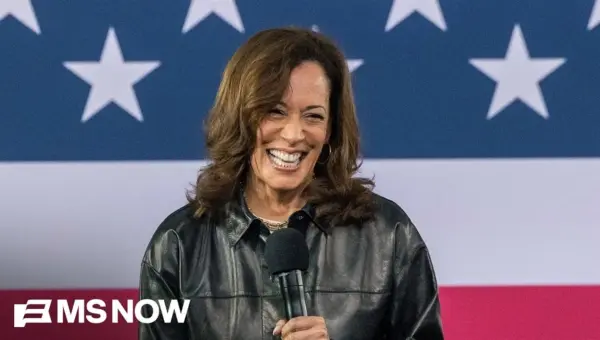
Kamala Harris Hints at 2028 Presidential Run
Former Vice President Kamala Harris has fueled speculation about a 2028 presidential run, stating she is "thinking about it." Speaking at the National Action Network convention, Harris engaged with voters on key issues while her actions suggest a serious consideration of a future campaign. Analysts are watching these early moves as potential candidates 'beta test' their strategies for a potentially competitive Democratic field.

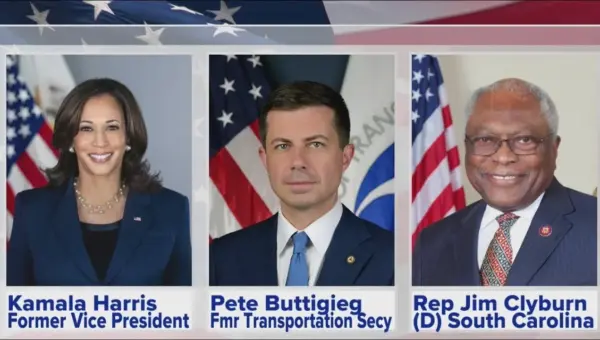
Democrats Vie for Black Voters in 2028 Race
Democratic hopefuls are actively seeking support from Black voters ahead of the 2028 presidential election. Key figures like Kamala Harris, along with several governors, are attending conventions and making strategic visits to critical states. They aim to address voter concerns on economic issues and foreign policy, echoing historical efforts to engage this vital demographic.
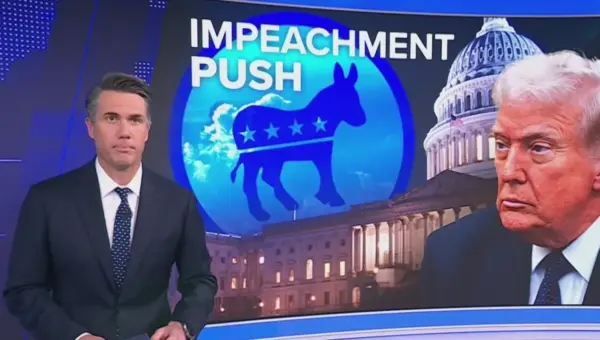
Democrats Aid Trump by Focusing on Impeachment
Democrats are inadvertently aiding President Trump by focusing heavily on impeachment efforts rather than addressing key economic issues like inflation and gas prices. This strategy risks alienating voters and distracts from critical foreign policy challenges, potentially impacting global stability and power dynamics.