Iran Dictates Terms as US Negotiators Appear Unprepared
Iran is dictating terms to the U.S. in peace talks, demanding control over the Strait of Hormuz and reparations. Disagreements over frozen assets and conflicting reports on military actions highlight deep mistrust. Concerns are also raised about the U.S. negotiating team's preparedness.

Iran Dictates Terms as US Negotiators Appear Unprepared
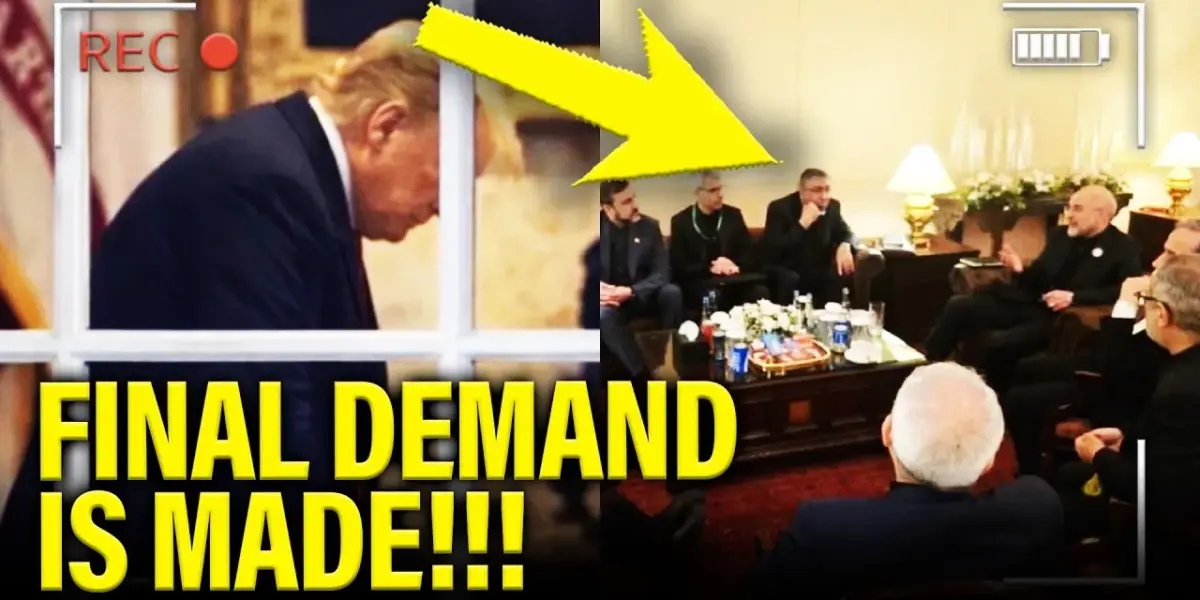
Peace talks between Iran and the United States are facing a significant hurdle. Iran has declared it is not negotiating but instead issuing demands. This stance comes as the two nations meet in Islamabad, Pakistan, for what some describe as crucial discussions.
Iran’s Demands and Accusations
According to Iran’s Deputy Foreign Minister, Kazem Gharabati, his country finds it impossible to negotiate with the current U.S. administration. He stated that Iran is imposing its demands, and the U.S. can either meet them or not. Iran has made these points clear on social media, emphasizing that the talks are about their demands, not a typical negotiation. They even posted “Time to seal the victory in beautiful Islamabad.”
Some of Iran’s key demands include:
- Control over the Strait of Hormuz.
- Full reparations for past damages.
- The release of all frozen Iranian financial assets.
- A comprehensive regional ceasefire.
- Permanent security guarantees for Iran and its allied groups throughout the Middle East.
Disputes Over Frozen Assets and Military Actions
A point of contention is the status of Iran’s frozen assets. Iran claims the U.S. has already released some funds, which was a condition for starting discussions. The Trump administration, however, denies this. This disagreement highlights a lack of trust between the two sides.
Another incident causing friction involved U.S. Navy ships reportedly crossing the Strait of Hormuz. According to a senior U.S. official speaking to Axios, the ships were on a freedom of navigation exercise and were not intercepted by Iranian vessels. However, Iran’s Tasnim news agency, citing a senior security official, denies any U.S. warships transited the strait. Iran’s Foreign Ministry spokesperson stated that a U.S. destroyer was forced to retreat after an Iranian warning.
The Iranian side claims their officials in Islamabad informed Pakistani Prime Minister Sharif that they would leave the negotiations if a U.S. destroyer proceeded through the Strait of Hormuz. They say the destroyer then turned back. The U.S. officials maintain the ships completed their passage without issue and without threats from Iran.
Concerns About U.S. Negotiating Team
There are also questions about the composition of the U.S. negotiating team. While Iran sent a delegation of senior leaders with expertise in nuclear energy and capabilities, the U.S. team reportedly included individuals like J.D. Vance, Steve Witkoff, and Jared Kushner. Critics point out that the U.S. side lacks individuals with deep understanding of nuclear technicalities, potentially putting them at a disadvantage.
Furthermore, the absence of U.S. allies in these talks is noted. Unlike past negotiations where allies were present, this meeting appears to be a bilateral discussion, with some suggesting U.S. policy is heavily influenced by other nations.
Trump’s Public Statements and Iran’s Response
Throughout these sensitive talks, Donald Trump has been active on social media, posting frequent updates and commentary. He has criticized the media’s reporting and asserted that Iran is losing. However, Iran has directly responded to some of his posts, sometimes with a smiley face emoji, suggesting they are unfazed by his remarks.
Trump’s posts have also touched on unrelated issues, such as fertilizer prices and oil tanker movements. He has made claims about the strength of the U.S. military and its ability to control international waterways. He has also made controversial remarks, including mocking the killing of Iranian leaders and referencing their religion.
Escalating Conflict Despite Talks
Despite the ongoing talks in Islamabad, conflict continues in the region. While Lebanon was reportedly included in a ceasefire agreement to protect Iranian proxy groups, Israel has continued to carry out strikes in Lebanon. Reports indicate hundreds of strikes on Hezbollah targets in southern Lebanon, even as face-to-face negotiations were advancing.
Why This Matters
The situation highlights a complex and tense geopolitical standoff. Iran’s assertive stance, issuing demands rather than engaging in traditional negotiation, signals a shift in its approach to international diplomacy. This could be a tactic to gain leverage or a reflection of genuine frustration with past U.S. actions.
The discrepancies in reporting between the U.S. and Iran on military actions, such as the Strait of Hormuz transit, underscore the deep mistrust. These incidents, occurring during peace talks, risk derailing any progress.
Concerns about the U.S. negotiating team’s expertise are significant. In high-stakes discussions involving nuclear capabilities and regional security, having knowledgeable representatives is crucial. The perceived lack of experience and the absence of allied support could weaken the U.S. position.
Donald Trump’s public pronouncements, while perhaps intended to project strength, also create a volatile backdrop to the negotiations. His dismissive and mocking tone towards Iran could be counterproductive, potentially hardening their stance.
Implications and Future Outlook
The outcome of these talks, if they progress, could have major implications for regional stability, global energy markets, and the non-proliferation of nuclear weapons. If Iran successfully dictates terms, it could embolden other nations to adopt similar strategies.
The continued fighting between Israel and Hezbollah, despite ceasefire talks, demonstrates the difficulty in achieving lasting peace. It suggests that underlying conflicts and proxy relationships remain powerful drivers of instability.
The future outlook depends heavily on whether both sides can move past mistrust and find common ground. The U.S. will need to decide if it can meet Iran’s demands, while Iran will need to see tangible actions that build confidence. The role of international diplomacy and the effectiveness of mediated talks will be closely watched.
Historical Context
Tensions between the U.S. and Iran have a long history, marked by the 1953 coup, the 1979 revolution, the hostage crisis, and more recently, disputes over Iran’s nuclear program and regional influence. The U.S. withdrawal from the Joint Comprehensive Plan of Action (JCPOA) in 2018 and the reimposition of sanctions significantly escalated these tensions.
The Strait of Hormuz has historically been a critical chokepoint for global oil supplies, and any disruption there has significant economic consequences. Iran’s control or influence over this waterway has been a constant source of concern for the international community.
Proxy groups in the Middle East, supported by Iran, have played a significant role in regional conflicts, further complicating diplomatic efforts and contributing to the cycle of violence.
Source: Trump PANICS as IRAN Makes FINAL DEMANDS!!!! (YouTube)

Related Articles


Iran Demands Bitcoin Tolls; Morgan Stanley Slashes ETF Fees
Iran is now demanding Bitcoin tolls for ships passing through the Strait of Hormuz, marking a significant step in global Bitcoin adoption. Meanwhile, Morgan Stanley has entered the Bitcoin ETF market with the lowest fees, aiming to attract its vast client base. Separately, BitTensor (TAO) saw a price drop after a major subnet departed, prompting the project to announce new security measures.
Iran’s Minefield Creates Naval Nightmare
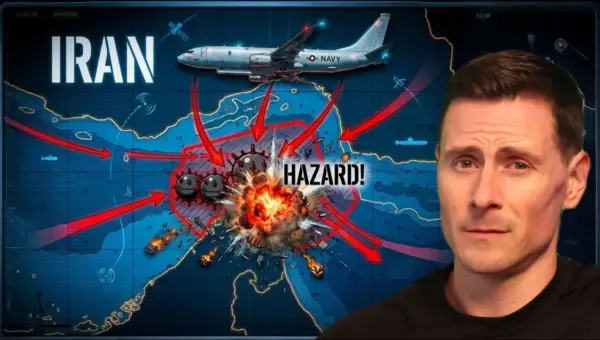
Iran's haphazard mine-laying in the Strait of Hormuz has created a drifting, uncleared minefield, posing a severe risk to global shipping. The U.S. is preparing a major demining operation using advanced underwater drones and maritime patrol aircraft to clear the vital waterway.

Trump Attacks Allies, Then Begs Them for Help
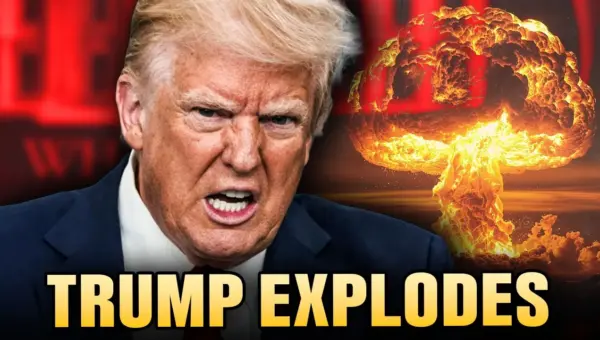
Donald Trump is reportedly publicly attacking NATO and European allies while privately begging them for help with the Iran situation. This conflicting approach raises questions about trust and the effectiveness of international diplomacy. Allies are reportedly considering their own solutions rather than caving to demands.