Trump Attacks Allies, Then Begs Them for Help
Donald Trump is reportedly publicly attacking NATO and European allies while privately begging them for help with the Iran situation. This conflicting approach raises questions about trust and the effectiveness of international diplomacy. Allies are reportedly considering their own solutions rather than caving to demands.

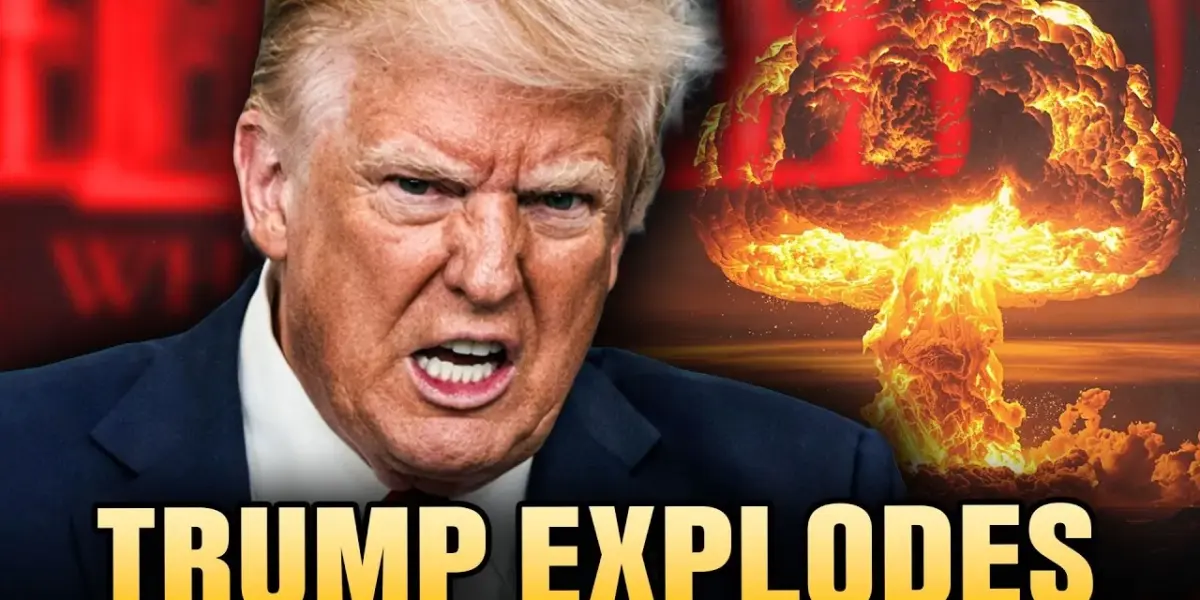
Trump’s Conflicting Calls: Attacking Allies While Seeking Aid
This week, Donald Trump launched a public barrage against NATO and European allies on Truth Social. He expressed anger, claiming these nations weren’t helping resolve issues he believes he created with Iran. Trump stated, “NATO wasn’t there when we needed them, and they won’t be there if we need them again.” He also strangely brought up Greenland, a comment that seemed out of place and unrelated to his criticism of NATO.
However, behind closed doors, reports suggest a very different picture. While Trump publicly criticized these countries, he was reportedly privately asking for their help. He made phone calls, urging them to get involved in reopening the Strait of Hormuz. This is despite his earlier claims that the strait was already open and a ceasefire deal would reopen it.
Blame Shifting and International Relations
Trump’s approach appears to be framing the problem as one that affects everyone, including the European nations. He reportedly told them that they, too, are facing higher gas prices and that their people will become angry. He seemed to suggest that these countries needed to step in and fix the situation he had created. This strategy suggests a desire to shift responsibility onto allies.
The situation is complex. The Strait of Hormuz is a vital waterway for global oil transport. If it is disrupted, it impacts economies worldwide. Trump’s actions have created a situation where international cooperation is crucial, yet his public statements seem designed to undermine that very cooperation.
Europe’s Response and Trump’s Diplomacy
The response from Europe has not been what Trump apparently hoped for. Reports indicate that European nations are considering paying a toll per ship to ensure passage, rather than giving in to Trump’s demands. They seem unwilling to be dictated to by either Trump or Iran. This suggests a pragmatic approach to protect their own interests, even if it means accepting certain costs.
Europe has not stepped in to help Trump resolve the situation, even after two months of ongoing issues. It’s possible that Trump’s public attacks on these very countries have made them less inclined to assist him. His diplomatic style, which involves public criticism and private pleas, may be counterproductive.
Historical Context of NATO and Alliances
NATO, the North Atlantic Treaty Organization, was formed after World War II. Its primary goal was to ensure the collective security of its members against the Soviet Union. The core principle is that an attack on one member is considered an attack on all. Over the years, NATO has evolved to address new security challenges.
Throughout its history, alliances have often faced internal disagreements and strains. However, the public nature and intensity of Trump’s criticism are notable. It challenges the long-standing tradition of allies working through issues privately.
Consequences of Words and Actions
The transcript highlights that words can have significant consequences in international relations. Trump’s public statements, including threats directed at entire civilizations, reportedly led Iran to cease negotiations and discussions about a ceasefire. This shows how a leader’s rhetoric can directly impact diplomatic efforts and global stability.
The implication is that leaders must be mindful of their language, especially when dealing with sensitive geopolitical issues. Actions and words in the international arena can have far-reaching effects, impacting not just the leaders involved but the entire world. The current situation involving Iran and the Strait of Hormuz is a clear example of this.
Why This Matters
This situation highlights a critical tension in international diplomacy: the difference between public posturing and private negotiation. When a leader publicly criticizes allies while privately seeking their help, it can erode trust and make cooperation more difficult. Allies may become hesitant to support someone who insults them on a public platform.
Furthermore, the handling of international crises, like the potential disruption of the Strait of Hormuz, requires careful, coordinated efforts. Shifting blame or demanding unilateral action from allies can destabilize global security and economic systems. The world relies on predictable and consistent diplomacy, especially during times of tension.
Future Outlook
The future outlook depends on how these diplomatic challenges are managed. If leaders continue to prioritize public attacks over constructive dialogue, international relations could suffer further. Building and maintaining strong alliances requires consistent communication and mutual respect.
The events described suggest a need for a more stable and predictable approach to foreign policy. The consequences of erratic diplomacy can be severe, affecting trade, security, and global peace. The world watches to see if a more collaborative approach will prevail over divisive rhetoric.
Source: Trump ATTACKS Allies And Then BEGS For Help (YouTube)

Related Articles

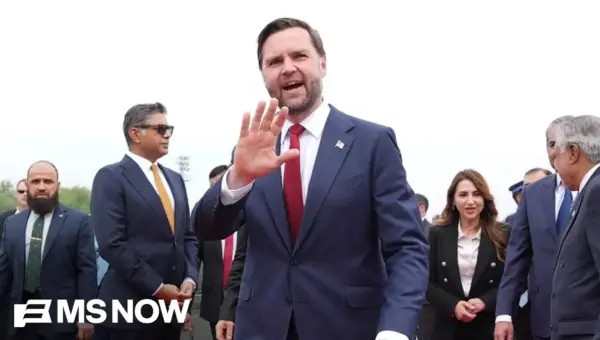
VP Vance Leads U.S. Team in High-Stakes Iran Ceasefire Talks
Vice President J.D. Vance is leading a U.S. delegation in high-stakes ceasefire negotiations with Iran in Islamabad, Pakistan. The talks, the highest-level between the two nations since 1979, are complicated by Vance's past criticisms of military intervention and significant differences on key issues like a ceasefire in Lebanon.
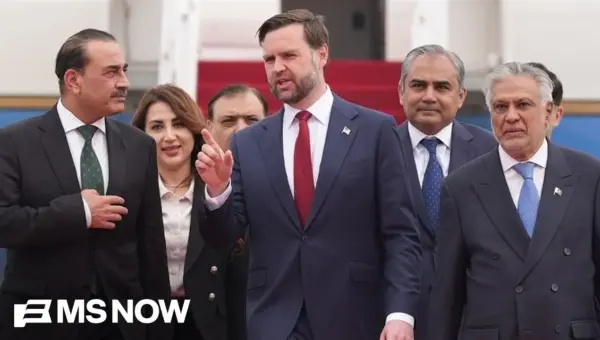
Iran Seeks Vance as US Envoy Amid Shifting War Aims
New peace talks are underway, but Iran remains skeptical due to past U.S. actions. Analysts suggest U.S. war aims lack clarity, complicating negotiations. Iran has reportedly requested J.D. Vance's presence, viewing him as a war skeptic.

Trump’s Crypto Fortune Fuels Economic Debate
A debate emerges over Donald Trump's significant cryptocurrency earnings versus rising gas prices for Americans. The discussion questions economic indicators like inflation and unemployment, while critiquing potential tax cuts for the wealthy and increased military spending's impact on national debt.