Hungary Votes: Orban Faces Upset Amid Corruption Scandals
Hungary's Prime Minister Viktor Orbán faces a potential electoral defeat today after 16 years in power. Despite efforts to control the system, corruption scandals and voter fatigue have boosted opposition challenger Péter Márki-Zay. The election could signal a rejection of Orbán's 'illiberal democracy'.

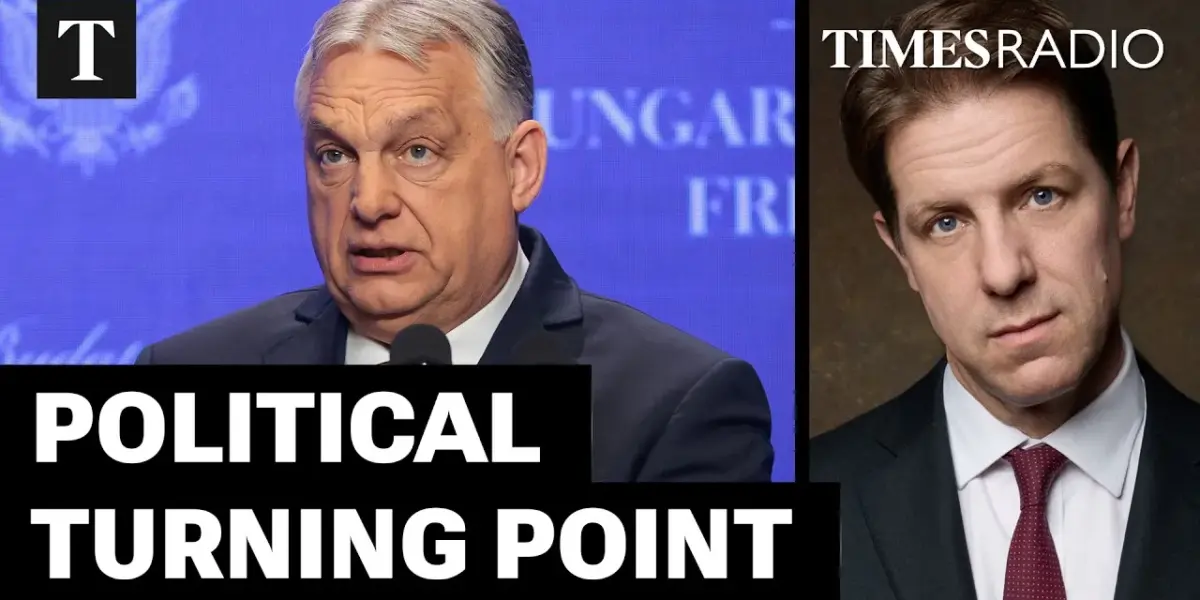
Hungarians Head to Polls Amidst Orban’s Tight Grip
Voters in Hungary are casting their ballots today to decide the fate of Prime Minister Viktor Orbán, who has held power for 16 years. Despite extensive efforts to control the political narrative and system, Orbán’s Fidesz party appears to be trailing in the polls. His challenger, Péter Márki-Zay, the former mayor of Hódmezővásárhely and ex-husband of a former justice minister, has gained significant traction by highlighting widespread corruption and cronyism.
Orbán’s ‘Illiberal Democracy’ Under Scrutiny
Fraser Nelson, writing for The Times, examines Orbán’s unique brand of politics, which he terms ‘illiberal conservatism.’ Orbán has been a pioneer in recognizing how demographic changes and immigration create anxieties that can be politically exploited. He came to power in 2010 with a vision to shift from a rules-based system to a power-based one. This involved consolidating control over courts, awarding contracts to loyalists, and promoting a narrative of Hungary as a Christian nation under threat from external forces, particularly immigrants.
Nelson points out that Orbán’s approach predates similar strategies seen in Western politics, such as those employed by figures like Donald Trump or Boris Johnson. Orbán framed politics not as a left-versus-right debate, but as a liberal versus illiberal struggle, positioning himself as the strong leader needed to protect national identity and values.
The Appeal of a ‘Strongman’
The appeal of a strong leader who promises decisive action, unburdened by parliamentary scrutiny, is a significant factor. Nelson notes that opinion polls, even in countries like Britain, have shown a surprising appetite among some, particularly younger people, for a ‘strongman’ who gets things done. Orbán has seemingly tapped into this sentiment, offering a perceived solution to complex societal issues through decisive, centralized leadership.
“When you do opinion polls, even in Britain, if you ask young people, what would you prefer? A strong man who gets things done or a democracy, you’d actually find quite a lot of people, one opinion poll said the majority of young people in Britain would prefer the strong man who gets things done and doesn’t have to bother with parliaments and scrutiny.”
Corruption Scandals Fuel Opposition
Despite Orbán’s meticulously crafted political machine, including state media control and support from figures like U.S. Vice President JD Vance, recent scandals appear to have eroded public trust. A particularly damaging incident involved the secret pardon of a care home official implicated in covering up a sex abuse scandal. This event, coupled with years of perceived cronyism, seems to have galvanized public opposition.
Nelson highlights that even after 16 years of manipulating the system – through gerrymandering, changing electoral laws, and controlling the narrative – the endemic corruption has become too much for the electorate to ignore. The opposition, led by Márki-Zay, has successfully centered its campaign on exposing these issues, presenting a stark contrast to Orbán’s long tenure.
A New Era for Hungary?
The potential defeat of Viktor Orbán would mark a significant turning point for Hungary. The election outcome, if polls prove accurate, would signal a rejection of his ‘illiberal’ model of governance. However, questions remain about the extent of change the opposition can enact, especially if Orbán’s allies continue to hold key positions within the state apparatus.
The Hungarian government has actively sought to shape international perceptions of Orbán’s policies, investing heavily in think tanks and media outreach. Nelson recounts an offer made to The Spectator magazine to translate its content into Hungarian, an attempt to extend Orbán’s influence abroad. The refusal of this offer highlights the subtle yet persistent efforts to promote his vision internationally.
Looking Ahead
As the results come in, the world will be watching to see if Hungary has indeed turned a page. The success of the opposition in unseating a leader who has so skillfully engineered his political dominance will be closely analyzed. Furthermore, the ability of the new leadership to tackle the deep-rooted issues of corruption and reform the system will be a critical test in the coming months.
Source: Viktor Orbán ‘Looks Like He Could Lose’ Hungary Election Tomorrow | Fraser Nelson (YouTube)

Related Articles

Corruption and Accountability: A Deep Dive
This analysis delves into the critical issues of corruption and accountability in politics. It examines the controversial use of presidential pardon powers, perceived double standards in applying laws like the Hatch Act, and the need for robust investigations into serious allegations against public figures. The piece explores proposed measures to "Trump-proof" government and the Democratic Party's challenge in upholding its own ethical standards.

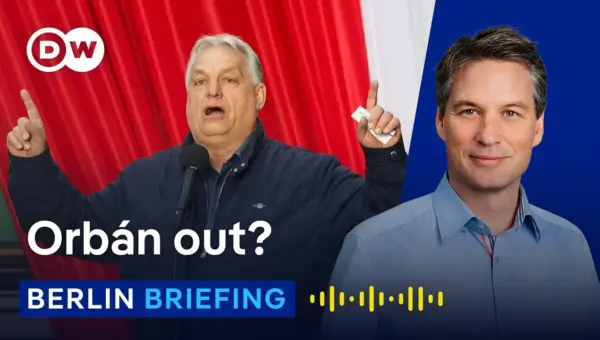
Germany Weighs Hungary’s Future as Orban Faces Election
Germany's government officially remains neutral on Hungary's upcoming elections, but privately hopes for Prime Minister Viktor Orban's defeat. Orban's obstructionist stance within the EU, particularly regarding aid to Ukraine, has strained relations with Berlin. Experts suggest a change in Budapest could bring a more pragmatic partner to the EU.

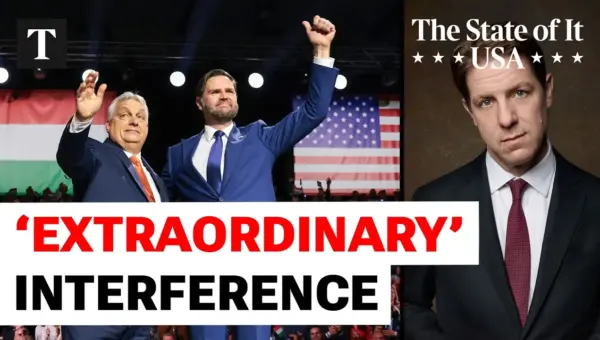
US Senator JD Vance Campaigns for Hungary’s Orban
U.S. Senator JD Vance has traveled to Hungary to endorse Prime Minister Viktor Orban, who faces a tough election. The visit highlights the growing influence of American MAGA politics on European elections and Vance's own political positioning.