US-Iran Peace Talks Hit Major Roadblocks in Islamabad
High-level peace talks between the United States and Iran have commenced in Islamabad, Pakistan, but face significant obstacles. Preconditions set by Iran, including an immediate ceasefire between Hezbollah and Israel and sanctions relief, threaten to derail the negotiations. Key sticking points include Iran's nuclear program and control over the Strait of Hormuz, with both sides claiming advantage.

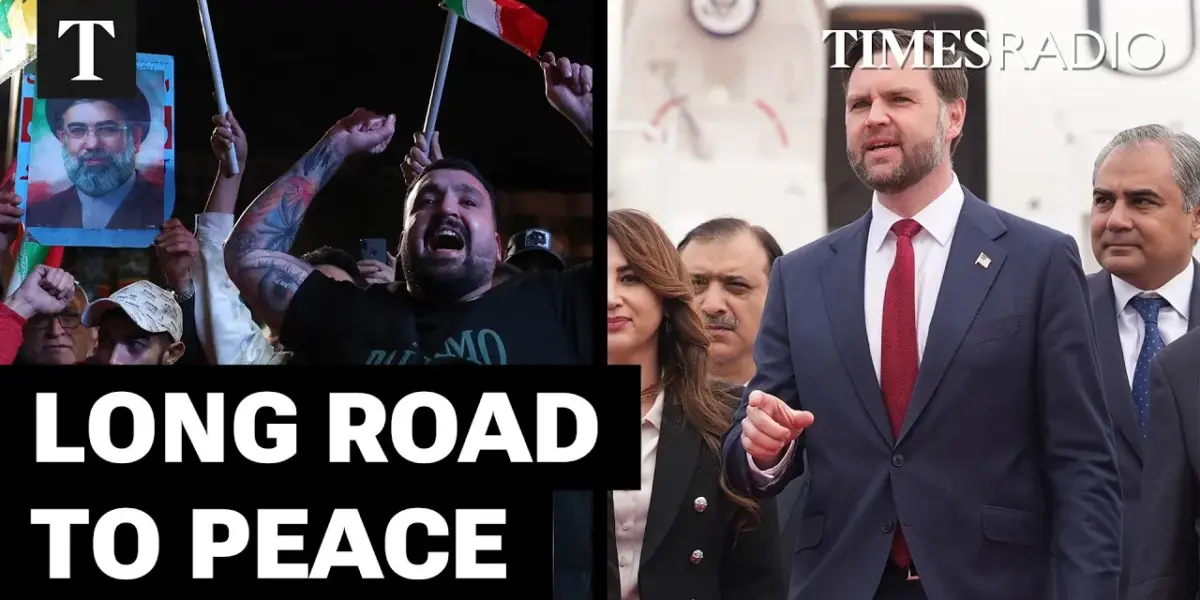
US-Iran Peace Talks Face Major Obstacles in Islamabad
Peace talks between the United States and Iran, aimed at securing a ceasefire and potentially a wider deal, have begun in Islamabad, Pakistan. However, significant hurdles stand in the way, with both nations holding vastly different expectations and preconditions. The high-stakes negotiations come amid ongoing tensions and a fragile two-week ceasefire.
Preconditions Threaten to Derail Talks
The Iranian delegation, including the parliament speaker and foreign minister, arrived in the Pakistani capital with a list of demands before fully engaging in discussions. A primary condition is an immediate ceasefire between Hezbollah and Israel, a demand complicated by ongoing clashes in southern Lebanon and Israeli strikes in Beirut. Iran also seeks immediate relief from economic sanctions, including the unfrozen of its assets, before talks can truly begin.
The U.S. delegation, expected to be led by Vice President JD Vance, along with chief negotiator Steve Whit and advisor Jared Kushner, faces the challenge of bridging these gaps. The success of the talks hinges on whether these preconditions can be met or bypassed to allow for substantive negotiations.
Key Sticking Points: Nuclear Program and Strait of Hormuz
Beyond the initial obstacles, deeper disagreements threaten any long-term peace agreement. The U.S. objective remains firm: to curb Iran’s nuclear program and prevent it from developing nuclear weapons. Conversely, Iran is unwilling to significantly limit its nuclear activities.
Another critical point of contention is the Strait of Hormuz, a vital waterway through which a significant portion of global natural gas and oil flows. Iran’s control and potential blockage of this strait have become a major bargaining chip, a development that was not part of prior negotiations before the recent conflict. The reopening of the Strait of Hormuz was a condition of the current ceasefire, which has yet to be fully realized.
Direct vs. Indirect Negotiations and Pakistan’s Role
While both delegations are in Islamabad, direct face-to-face meetings are not guaranteed. Talks may proceed through indirect channels, with Pakistan acting as a mediator. This involves passing messages and proposals between the two sides, a role Pakistan has actively played in recent weeks.
The presence of both delegations in the same city makes a meeting, in some form, highly probable. However, the nature of these interactions—whether direct or indirect—will shape the negotiation process. The Pakistani hosts view even the continuation of technical talks beyond the initial high-level meetings as a measure of success.
Differing Views on Victory and Leverage
Both the United States and Iran claim to be in a position of strength. The U.S. believes Iran’s military capabilities have been significantly diminished, while Iran views its survival as a regime and its enhanced control over the Strait of Hormuz as major victories.
President Donald Trump has publicly stated that Iran has no leverage. However, Iran’s ability to influence the flow of global energy through the Strait of Hormuz suggests otherwise. This perception of victory on both sides complicates efforts to find common ground and build trust, which is already low due to past U.S. military interventions that derailed previous talks.
International Involvement and the Strait of Hormuz
Efforts by countries like the UK and France to help police the reopening of the Strait of Hormuz face a critical challenge: European reluctance to engage militarily amidst ongoing conflict. While these nations are willing to assist once the confrontation ends and the risk of Iranian attacks subsides, they are hesitant to commit warships while hostilities persist.
The U.S. desire for an international coalition to protect shipping through the Strait has not yet garnered widespread support, highlighting the delicate balance of international relations and the risks involved in escalating regional tensions.
Looking Ahead
The immediate focus remains on whether the U.S. and Iranian delegations can move past their preconditions and engage in meaningful dialogue. Progress may be measured in small steps, such as the continuation of technical talks, rather than a comprehensive peace deal. The ability to de-escalate tensions, secure a lasting ceasefire, and address the complex issues surrounding Iran’s nuclear program and regional influence will determine the future trajectory of peace efforts.
Source: US-Iran Peace Talks Face Major Obstacles as Both Sides Claim Advantage (YouTube)

Related Articles
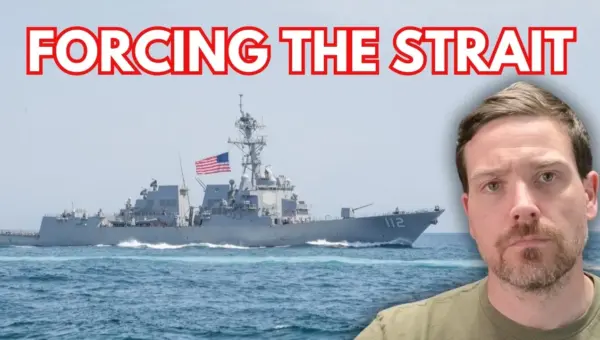
US Warship Tests Iran’s Resolve in Key Strait
A U.S. Navy warship's uncoordinated transit through the Strait of Hormuz is seen as a U.S. display of strength amid ongoing Iran-U.S. talks. Iran claims the ship was forced back, while U.S. officials assert freedom of navigation. This event, alongside Iran's list of non-negotiable demands, signals a complex negotiation landscape with high stakes for regional stability.

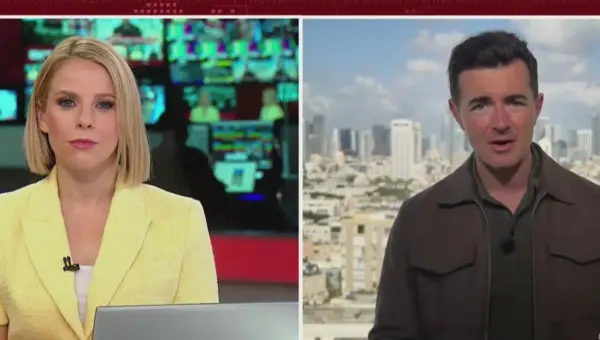
Iran Talks Stall Amid Lebanon Strikes, Strait of Hormuz Tensions
High-level U.S.-Iran talks are underway but face major hurdles, including ongoing Israeli strikes in Lebanon and lingering disputes over the Strait of Hormuz. Iran demands asset unfreezing and a Lebanon ceasefire, while the U.S. focuses on securing vital shipping lanes.
Iran Seizes Strait of Hormuz as US Policy Crumbles
Iran is tightening its grip on the critical Strait of Hormuz, a major oil shipping route, following a ceasefire agreement with the Trump administration. This move appears to disregard long-standing U.S. demands and signals a significant rollback of American influence in the Middle East.