Diesel Shock Cripples Global Food Supply
Soaring diesel prices have grounded a significant portion of the global fishing fleet, particularly in Southeast Asia. This disruption is creating a critical shortage of fish meal, a key ingredient in animal feed, which is driving up costs for poultry and farmed fish. The ripple effect is expected to lead to significant food inflation globally.

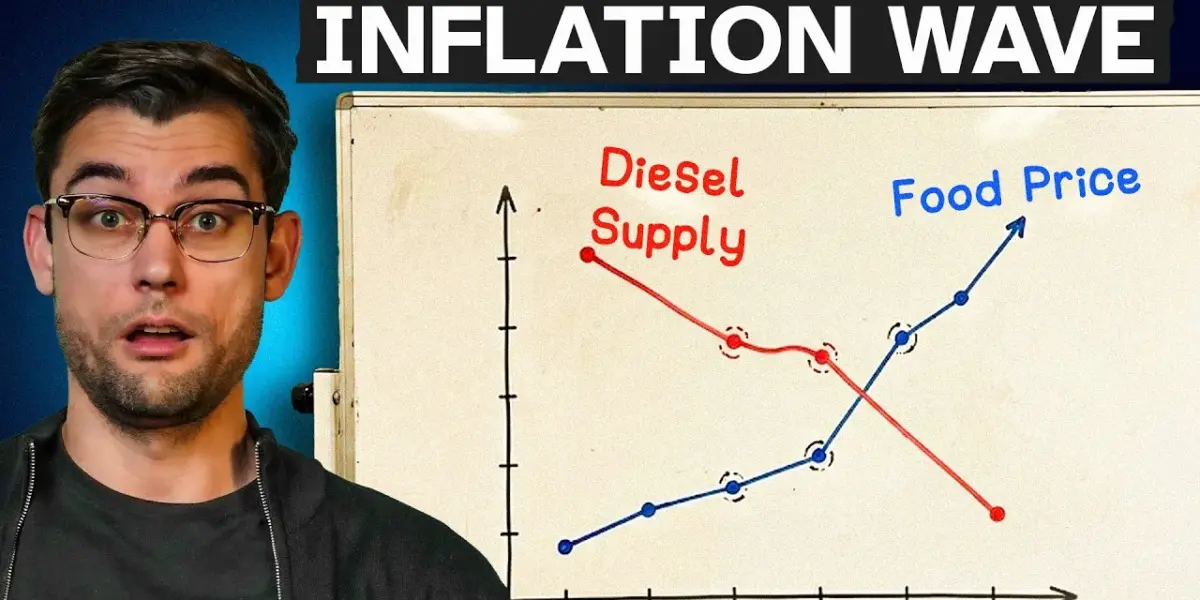
Diesel Shock Cripples Global Food Supply, Threatens Empty Shelves
A severe energy crisis is not just impacting daily commutes; it’s fundamentally breaking the global food system. While many see rising oil prices as a temporary issue, a much harsher reality is unfolding, particularly in developing nations. The very foundation of how we get our food is shutting down because it can no longer afford the fuel it needs to operate. This article explores why a catastrophic diesel shortage is poised to empty grocery store seafood aisles and drive up prices for many other food items.
Fishing Fleets Grounded by Soaring Fuel Costs
The modern global food system relies heavily on cheap, abundant fossil fuels. Beyond the natural gas used for fertilizer production, a massive, often overlooked energy demand comes from commercial fishing. Global fishing fleets consume about 50 billion liters of diesel fuel annually, a hidden dependency directly tied to our protein supply. Historically, fuel costs make up 20% to 50% of operating expenses for industrial fishing. This makes these fleets extremely vulnerable to sudden price spikes, as seen in 2008 when fuel costs consumed half of fishing fleets’ revenues, leading to widespread food inflation.
Currently, this fragile system is reaching a breaking point in Southeast Asia. Industrial fishing vessels are not simple operations; they have three constant, energy-intensive demands. First is propulsion, requiring large diesel engines to run at high capacity for extended periods. Second are powerful industrial winches used to haul massive nets, which draw heavily on the vessel’s power. Third is the need for continuous, large-scale refrigeration, often using energy-hungry systems to keep fish from spoiling rapidly.
Academic studies show that the global average fuel use for commercial fisheries is about 639 liters per ton of fish caught. For intensive operations like shrimp trawling, this figure can exceed 10,000 liters per ton, making it one of the most energy-inefficient food production methods. When crude oil prices surge, the profit margins for these fleets vanish almost instantly. Because fishermen sell their catch at set prices, they cannot simply raise their prices to cover these exploding fuel costs.
Thailand’s Fishing Industry Paralyzed
The situation in Thailand illustrates this crisis vividly. Following disruptions in the Strait of Hormuz, global maritime fuel prices have skyrocketed. In Thailand, the retail price of diesel jumped from a subsidized rate to a record 50.54 baht ($1.56 per liter) in early April. Even tax-exempt fuel meant for commercial fishing surged past 35 baht ($1.08 per liter), making the industry economically unviable.
The Thai National Fisheries Association stated that the maximum fuel price the industry can sustain to break even is around 33 baht per liter. This means every vessel leaving a Thai port is buying fuel at a significant loss. A standard Thai trawler can use up to 1,000 liters of diesel for a single trip, costing captains over $1,500 before they even earn revenue. As a result, about 50% of Thailand’s fishing fleet was docked indefinitely by early April, with projections suggesting up to 70% could be grounded by the end of the month.
Industry officials warn this fuel crisis is more damaging than the COVID-19 pandemic. Thailand’s state oil fuel fund has a $1.5 billion deficit from trying to control prices, leaving the government with no financial support for the fleet. The desperation is so high that the Thai government is investigating the disappearance of 57 million liters of fuel, suggesting hoarding and smuggling.
Ripple Effects: From Fish Meal to Chicken and Tuna
This crisis is not confined to Thailand. Similar paralysis is affecting fishing fleets in wealthy nations, with roughly half of the Dutch fleet currently idle. This widespread disruption of a major maritime fleet is a critical macroeconomic event that traditional financial news often overlooks until it’s too late.
One might think a shutdown in Southeast Asia won’t affect your grocery bill. However, the global food system is deeply interconnected. Thailand is a vital global processing hub for protein. Its fishing fleets harvest small, oily forage fish that are ground into fish meal, a highly concentrated protein powder. Fish meal, with about 65% protein content, is the most nutrient-dense animal feed ingredient available commercially.
A staggering 87% of all fish meal produced worldwide goes into feeding farmed salmon and shrimp. Additionally, about 12% is added to commercial poultry feed to boost growth. When Thai fleets are docked, the supply of this essential protein collapses, creating a shockwave through the entire global food chain. Fish meal prices have already surged to $1,800 per ton, three to four times their historical average.
When poultry and agricultural producers can no longer afford fish meal, they turn to plant-based alternatives like soybean meal. However, soybean meal has an incomplete amino acid profile compared to marine proteins. Farmers must use much more of it to achieve the same animal growth, driving up the price of soybeans and creating a compounding inflation trap. This means the cost of raising chickens increases from two directions: the high price of premium feed or the increased need for less efficient substitutes.
Impact on Canned Tuna and Western Consumers
The impact on processed goods, especially for Western nations relying on imports, is even more severe. Thailand is the world’s largest exporter of canned tuna, supplying 30% to 40% of the global market. In 2024, they exported nearly 550,000 tons, providing affordable protein to the U.S. and Europe. Thailand accounts for almost half of all canned tuna imported into the United States.
Thai processing plants import frozen tuna and convert it into finished goods. But these plants are energy-intensive, facing the same energy cost crisis as the ships. No other nation has the processing infrastructure to fill this massive supply gap if the Thai industry halts.
Compounding Costs and Delayed Inflation
The journey from a fishing trawler to a grocery shelf involves multiple layers of rising costs. Each step—processing, distribution, retail—adds a percentage markup. A small price increase at the dock side becomes a much larger hike for the consumer. The global shipping industry is also facing its own fuel shock, with container shipping costs surging. Major logistics companies are adding surcharges to cover fuel expenses.
Combining high dockside fish prices with soaring freight rates makes imported seafood prohibitively expensive. Economists note that it typically takes 3 to 6 months for dockside price shocks to appear as grocery store inflation. This delay is due to existing inventory and contracts. However, for products with rapid production cycles, like chickens, inflation moves faster. For farmed salmon, which takes three years to mature, current high feed costs will drive retail prices up until 2029.
The increased costs at the factory and fleet level are expected to hit supermarket shelves by mid to late 2026. The Food and Agricultural Organization’s Food Price Index has already risen to its highest level since September 2025. The UK Food and Drink Federation recently revised its 2026 food inflation forecast from 3.2% to a stark 9% to 10%. This is the beginning of a structural food crisis that starts in developing nations but ends at the consumer’s table.
Central Banks Powerless Against Supply Shocks
Global central banks are largely powerless to stop this crisis. Institutions like the Federal Reserve use interest rate hikes to control demand. However, the paralysis of the fishing fleet is a physical supply-side shock caused by energy infrastructure issues. Central banks cannot create more fuel or fish through monetary policy. Raising interest rates will not lower marine diesel costs or clear shipping lanes.
Federal Reserve Chair Jerome Powell has acknowledged that monetary policy tools are ineffective against these types of physical supply shocks. Central bankers face a difficult choice: raising rates to fight inflation risks economic slowdown and recession, while lowering rates to stimulate the economy could worsen inflation and currency debasement. Consumer sentiment has already fallen to recessionary levels, indicating people are feeling the erosion of their purchasing power.
Essentially, our highly globalized supply chain has ignored the physical reality of energy scarcity. When the cost of energy inputs exceeds the value of the food produced, the agricultural system breaks down. The United Nations World Food Program warns that this crisis could push an additional 45 million people into acute hunger. The true cost of this energy shock is becoming impossible to ignore.
The Future of Food Prices
Thousands of commercial trawlers are docked indefinitely, proving that the foundation of our food system is structurally breaking under the weight of expensive diesel. When the energy required to harvest food becomes too costly, massive global protein scarcity becomes inevitable. The question remains: can the global food system adapt to these energy shocks, or are we facing a permanent era of extreme grocery store inflation?
Source: Diesel Disaster: Why Your Food Bill Is About to Explode (YouTube)

Related Articles

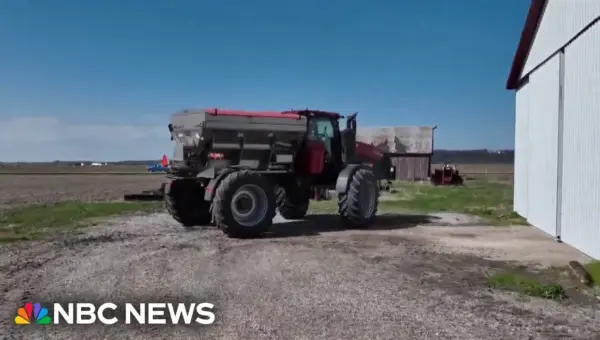
Farmers Brace for Losses Amidst Global Conflict Costs
American farmers are facing significant financial pressure due to rising costs for fuel and fertilizer, exacerbated by global conflicts. This surge in operational expenses threatens the profitability of family farms and could lead to higher food prices for consumers. The trucking industry also reports substantial increases in fuel costs, signaling broader economic impacts.


Pallet Fires Threaten California Supply Chains
Massive pallet fires in Southern California are highlighting critical vulnerabilities in industrial supply chains. These blazes, fueled by unlimited material, pose significant risks to firefighters and disrupt the flow of goods. The incidents underscore the need for greater resilience in global logistics.


Tariffs Hurt Small Businesses Despite Court Ruling
Small businesses continue to face rising costs due to tariffs, despite a Supreme Court ruling meant to halt them. Owner Nneka Christiane details how these tariffs increase her business expenses and create supply chain issues. The lack of recourse for compensation leaves many entrepreneurs struggling.