Iran Seizes Strait of Hormuz as US Policy Crumbles
Iran is tightening its grip on the critical Strait of Hormuz, a major oil shipping route, following a ceasefire agreement with the Trump administration. This move appears to disregard long-standing U.S. demands and signals a significant rollback of American influence in the Middle East.

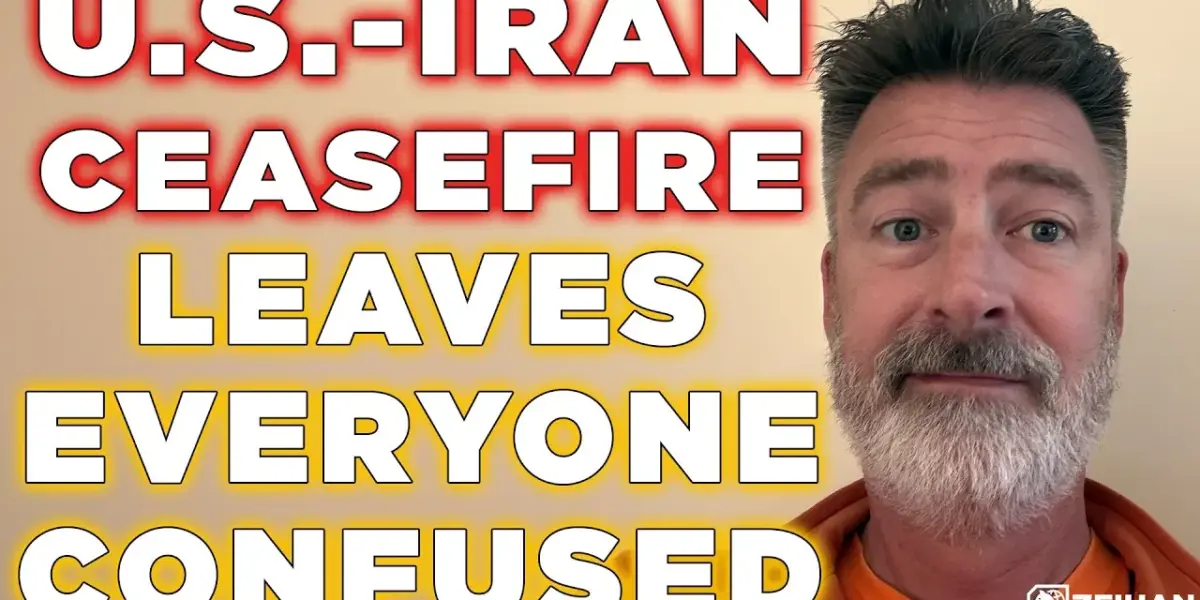
Iran Seizes Strait of Hormuz as US Policy Crumbles
A recent ceasefire agreement, brokered by Donald Trump, appears to be a major concession to Iran, allowing it to tighten control over the crucial Strait of Hormuz. This development signals a significant shift in American influence in the Middle East, with critics calling it the greatest voluntary withdrawal of U.S. power in the region’s history.
U.S. Demands Ignored in Ceasefire
For 40 years, the United States has had three main demands for Iran: no long-range missiles, no uranium enrichment for nuclear weapons, and an end to support for militant groups. These have been America’s red lines, meaning they were considered non-negotiable. Iran, however, had its own list of demands. These included controlling the Strait of Hormuz, keeping its missile program, continuing enrichment, and maintaining support for its allied militant groups, known as the ‘axis of resistance’.
Just 24 hours before a self-imposed deadline by Donald Trump, the U.S. administration initially rejected all of Iran’s conditions. However, during a ceasefire announcement on Tuesday night, Trump stated that these issues were open for discussion. This apparent reversal has led to widespread criticism.
Iran Tightens Grip on Key Waterway
Despite Trump’s claim that the ceasefire means the Strait of Hormuz is open and free, Iran is acting otherwise. The Iranians are proceeding based on their own understanding of the agreement. They have increased oil exports and are enforcing their control over the Strait. Ships wishing to pass must now apply, declare their cargo, pay a bribe of about $1 per barrel (around $2 million per ship), and are then partially escorted through. This policy was already put into practice by Iran on April 8th, even under the ceasefire terms.
This action directly contradicts Trump’s public statement that the Strait would be open to everyone. Iran is effectively imposing its will on how this vital waterway operates. The situation has even drawn criticism from within Trump’s own political base. Laura Loomer, a prominent conservative figure, has called the ceasefire a ‘stupid’ move and the ‘stupidest thing in American foreign policy history’. She stated that Iran has achieved its greatest victory in 40 years.
Unpredictability Marks White House Policy
The negotiations leading to this point have been largely conducted through third parties. The first face-to-face meeting between U.S. and Iranian officials is scheduled for Friday in Pakistan. This meeting is expected to highlight the wide gap between the Trump administration’s stated goals and Iran’s actions on the ground.
Analysts suggest that Trump may have either lost his focus or is simply bored with the situation, willing to make any deal to move forward. However, the unpredictable nature of decision-making within the White House makes forecasting the outcome of these upcoming talks extremely difficult. The situation is described as random, and the results are uncertain, but it is guaranteed to be anything but boring.
Global Impact: Shifting Power Dynamics
The control of the Strait of Hormuz is strategically vital. Roughly 20% of the world’s oil passes through this narrow waterway every day. Iran’s ability to dictate terms for passage gives it significant economic and strategic leverage. This challenges the long-standing U.S. naval presence and its role as a guarantor of freedom of navigation in the Persian Gulf.
Historically, the U.S. has sought to keep this waterway open to ensure global energy security and to counter Iranian influence. This new reality suggests a weakening of that American commitment. It could lead other regional powers to reassess their alliances and security arrangements. The ‘axis of resistance’ groups, which Iran supports, also benefit from this perceived U.S. withdrawal, potentially emboldening them in their regional activities.
Future Scenarios
One possible future is that Iran continues to exploit its strengthened position, using its control of the Strait to exert further influence and potentially pressure other nations for concessions. Another scenario is that the upcoming face-to-face meeting leads to a more direct confrontation or a clearer understanding of red lines, though the current trajectory suggests otherwise.
A third possibility, though seemingly less likely given recent events, is that the U.S. reasserts its previous policy, demanding adherence to the original non-negotiable terms. However, the current administration’s actions suggest a departure from this approach. The most likely outcome, based on current actions, is a continued erosion of U.S. influence and a corresponding increase in Iranian regional power, especially concerning vital shipping lanes.
Source: What Does This Ceasefire Actually Mean? || Peter Zeihan (YouTube)

Related Articles

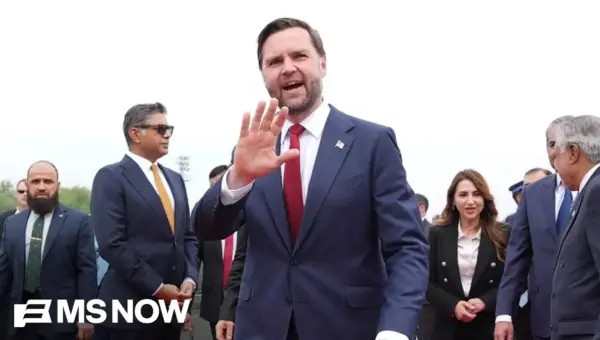
VP Vance Leads U.S. Team in High-Stakes Iran Ceasefire Talks
Vice President J.D. Vance is leading a U.S. delegation in high-stakes ceasefire negotiations with Iran in Islamabad, Pakistan. The talks, the highest-level between the two nations since 1979, are complicated by Vance's past criticisms of military intervention and significant differences on key issues like a ceasefire in Lebanon.

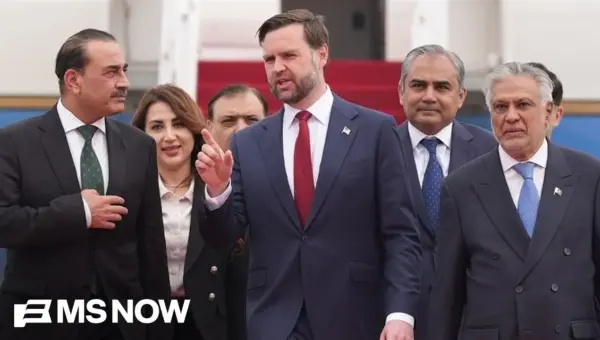
Iran Seeks Vance as US Envoy Amid Shifting War Aims
New peace talks are underway, but Iran remains skeptical due to past U.S. actions. Analysts suggest U.S. war aims lack clarity, complicating negotiations. Iran has reportedly requested J.D. Vance's presence, viewing him as a war skeptic.

Trump’s Crypto Fortune Fuels Economic Debate
A debate emerges over Donald Trump's significant cryptocurrency earnings versus rising gas prices for Americans. The discussion questions economic indicators like inflation and unemployment, while critiquing potential tax cuts for the wealthy and increased military spending's impact on national debt.