California Gas Prices Soar Past $6 Amid Refinery Woes
California gas prices have surged past $6 per gallon, with diesel hitting $7.70 on average, due to refinery issues and import reliance. State policies are cited as a key factor in the "energy island" effect, making the state vulnerable to price shocks.

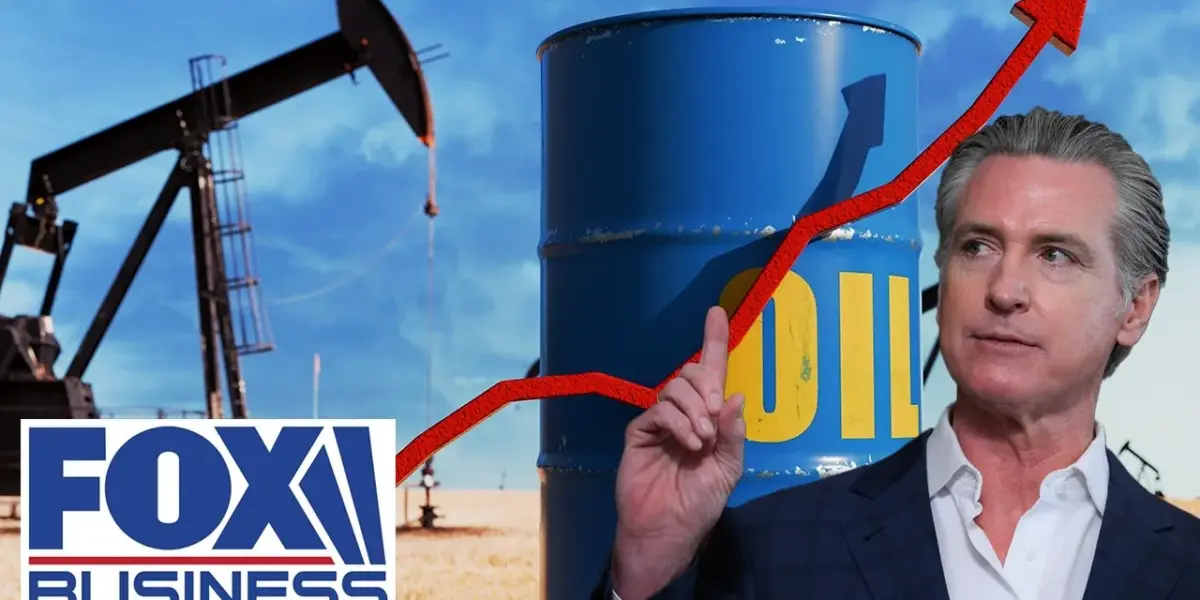
California Gas Prices Soar Past $6 Amid Refinery Woes
Gasoline prices in California have surged to an average of $5.92 per gallon, nearing the $6 mark. This sharp increase comes as the state faces a shrinking refining capacity and relies heavily on imported fuel. Meanwhile, diesel prices are reaching unprecedented levels, with the statewide average hitting $7.70 per gallon and one station in Northern California reportedly reaching $8.
Refinery Closures Tighten Supply
The current price spike is largely attributed to a loss of key refining capacity within the state. The Valero refinery in Northern California is set to idle this month. This leaves California with only six major refineries. This situation is particularly concerning for the nation’s second-largest fuel-consuming state.
Adding to the supply crunch, California imports about 20% of its gasoline from overseas. This makes the state highly vulnerable to global supply disruptions and price fluctuations on the international market. The reliance on foreign sources means that events far from California can directly impact prices at the pump.
Historical Context and Government Response
The last time California gas prices hit the $6 per gallon mark, Governor Gavin Newsom accused oil companies of price gouging. However, an investigation by CBS News California found no evidence of illegal activity. Officials concluded that California’s own energy policies, including regulations and the requirement for a special blend of gasoline, have created an “energy island.” This means the state is somewhat isolated from national fuel markets.
“California’s made itself into this energy island, because of its energy policies whether that’s regulations or the special blend of gas required in the state.”
A representative for Governor Newsom stated that the war in Iran, which impacted crude oil prices and closed the Strait of Hormuz, is responsible for the current price surge. They noted that California gas prices had been stable below $5 per gallon for about two years before this event. The statement also pointed out that California’s gas tax, which is double the national average, was not part of the response to rising prices in other states.
Diesel Prices Reach “Insane Numbers”
While gasoline prices grab headlines, diesel fuel is experiencing an even more dramatic price increase. The average cost for diesel in California is now about $7.70 per gallon. This is a significant jump, with reports of a gas station in Northern California selling diesel for as high as $8 per gallon. This surge in diesel prices can have a ripple effect across the economy, impacting transportation and shipping costs.
Market Impact and What Investors Should Know
The rising fuel costs in California present a complex picture for investors. On one hand, higher prices could benefit oil and gas companies, particularly those involved in refining and production. However, sustained high prices can also dampen consumer spending as households allocate more of their budget to fuel. This could negatively impact retail and other consumer-focused sectors.
For investors considering the energy sector, it’s crucial to understand the specific factors affecting California. The state’s unique regulatory environment and reliance on imported fuel create different dynamics compared to other regions. Companies that can navigate these challenges or benefit from the higher price environment may offer opportunities. However, the risk of increased government scrutiny or policy changes remains a factor.
The broader market saw moderate gains, with the Dow Jones Industrial Average up 135 points and the S&P 500 and Nasdaq also trading higher. This suggests that while energy prices are a major concern in California, the overall market sentiment remained cautiously optimistic in early trading.
Longer-term, California’s energy policies and its pursuit of cleaner energy alternatives will continue to shape its fuel market. Investors should monitor developments in refinery capacity, import levels, and state-level energy regulations. The trend towards electric vehicles may eventually alleviate some of the demand for gasoline, but the transition period is likely to involve continued price volatility.
Source: 'INSANE NUMBERS': Diesel EXPLODES toward $8 in California (YouTube)

Related Articles


Oil Price Shock Fuels Inflation; Fed Stays Put, Analyst Says
Soaring oil prices are the main driver behind March's inflation spike, not a sign of deeper issues, according to analyst Joseph Travisani. He believes the Federal Reserve will likely hold interest rates steady due to this temporary effect. However, regaining market confidence for oil prices to fall could take time, even if supply routes reopen.


Hormuz Strait Tensions Push Oil Prices Near $100
Oil prices are nearing $100 a barrel due to heightened concerns over the Strait of Hormuz, a critical global shipping lane. Ship tracking data shows fewer vessels transiting the strait, despite official statements that it remains open, creating market uncertainty and price volatility.

Oil Prices Plunge $18 as Iran Cease-Fire Looms
Oil prices plummeted by $18 per barrel following news of a potential cease-fire with Iran. Former Energy Secretary Rick Perry expressed optimism for a swift market recovery, potentially seeing oil return to $60 per barrel. He highlighted recent U.S. achievements and the need for infrastructure repair in the Persian Gulf.