Prosecutor’s Low Win Rate Sparks Outcry: Is ‘Hogwash’ the Defense?
Reports indicate the U.S. Attorney's office in D.C. has a conviction rate around 50%, far below the national average. When confronted, the prosecutor allegedly responded with "Hogwash," dismissing the statistics. A DOJ spokesperson suggested outside activists are to blame, shifting focus from internal performance.

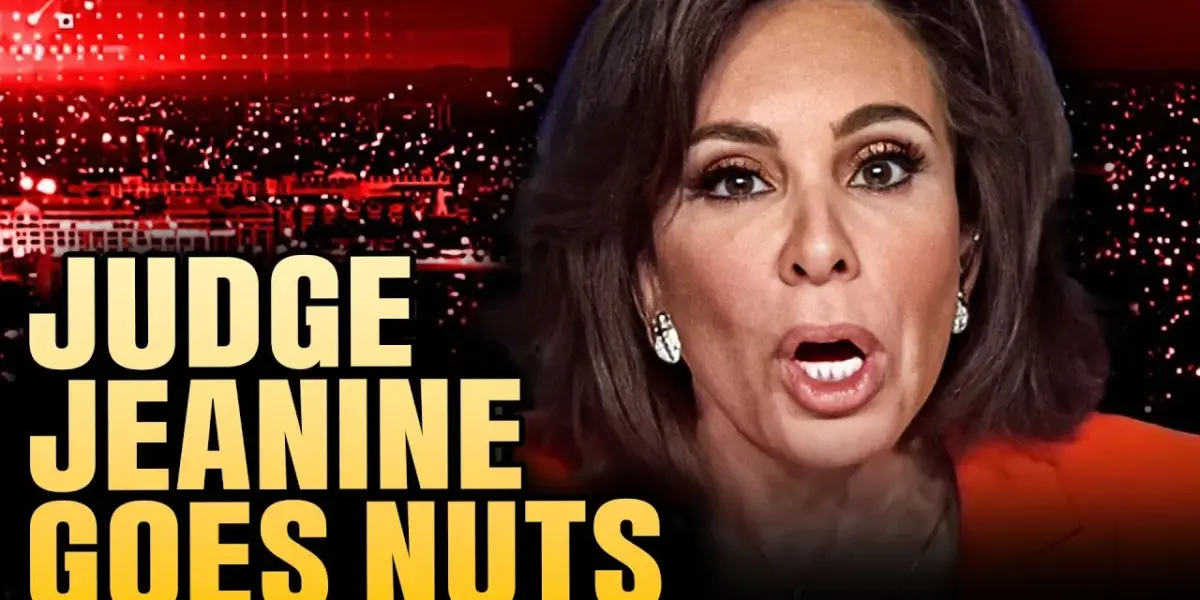
Prosecutor’s Low Win Rate Sparks Outcry: Is ‘Hogwash’ the Defense?
In the often-complex world of the U.S. Department of Justice, performance matters. Recently, attention has turned to the U.S. Attorney’s office for the District of Columbia, led by Janine Pirro. Reports suggest this office’s success rate in securing convictions is significantly lower than the national average. This has raised questions about leadership and effectiveness.
Historically, the Department of Justice boasts a strong track record. Around 90% of prosecutions result in convictions, a statistic that shows the system’s usual rigor. However, under Pirro’s leadership, the success rate reportedly hovers around 50%. This sharp decline has led to comparisons with other officials who have faced criticism for underperformance.
For instance, Pam Bondi, formerly associated with the DOJ, was reportedly removed after failing to meet expectations over a 14-month period. The implication is that consistent failure can lead to removal, especially in a high-stakes environment.
Confrontation and Defense
When CNN approached Pirro for comment on her office’s performance, the response was reportedly emphatic. Faced with statistics showing a win rate well below the national and historical averages, Pirro allegedly dismissed the concerns, repeatedly shouting “Hogwash.” This reaction suggests a strong denial of the reported shortcomings.
The specific examples cited included an inability to secure a conviction against an individual caught on video throwing a sandwich at a federal officer. While the fairness of that particular prosecution is debated, the overall pattern of low success rates in Pirro’s office is the focus of concern.
Pirro also reportedly defended her record by claiming that acquittals and hung juries are not reliable indicators of an office’s overall success. She suggested these outcomes do not reflect the true state of the justice system. However, critics argue that these very outcomes are direct evidence of issues within her specific office.
Blame Game or Systemic Issues?
Adding another layer to the discussion, a DOJ spokesperson reportedly offered an explanation to CNN. The spokesperson suggested that “far-left activists” might be attempting to undermine Pirro’s office. This defense shifts the focus from internal performance to external interference.
The idea is that these activists are somehow influencing juries, leading to lower conviction rates. This explanation, however, has been met with skepticism and calls for elaboration. Critics question how specific actions by activists could so drastically impact judicial outcomes across numerous cases.
The spokesperson’s statement implies that the failures are not due to incompetence within the office but rather to deliberate efforts by external groups. This perspective suggests a potential political motivation behind the scrutiny of Pirro’s office.
Why This Matters
The effectiveness of the U.S. Attorney’s office is crucial for maintaining public trust in the justice system. When conviction rates drop significantly, it can raise questions about the thoroughness of investigations, the quality of prosecutions, and the impartiality of the judicial process.
A low success rate can have several implications. It might embolden potential offenders, knowing that the chances of conviction are lower. It could also strain resources, as cases that don’t result in convictions still require significant time and effort. Furthermore, it can lead to perceptions of unfairness if certain individuals are not held accountable.
Historical Context
The U.S. Attorney’s offices are powerful branches of the federal government, responsible for enforcing federal criminal laws. Their performance has always been a subject of interest, particularly when it deviates from established norms. The DOJ’s overall high conviction rate is often cited as a testament to its capabilities.
The District of Columbia’s U.S. Attorney’s office handles a unique and often high-profile caseload due to its location in the nation’s capital. This makes its performance metrics particularly scrutinized. Any significant drop in success rates here could be seen as a symptom of broader issues.
Future Outlook
The situation surrounding Janine Pirro’s office highlights a broader conversation about accountability and performance within government institutions. Whether the issues stem from internal management, external pressures, or a combination of both, the low conviction rates are a concern that warrants attention.
The response of “Hogwash” to statistical evidence, while attention-grabbing, does little to address the underlying performance concerns. The DOJ’s explanation, blaming outside activists, also needs further substantiation to be convincing.
Moving forward, it will be important to see if the office’s performance improves or if further changes are made. The public and legal community will be watching to ensure that the pursuit of justice in the District of Columbia is both effective and equitable.
Source: Jeanine Pirro Goes Nuts After Being Confronted About Her Failures (YouTube)

Related Articles


Melania Trump’s Epstein Denial Stuns, Survivors Question Motives
Melania Trump's surprise statement denying close ties to Jeffrey Epstein has sparked criticism from survivors who feel it shifts responsibility away from those in power. Commentators question the timing and motives behind the former First Lady's address, suggesting it revived more questions than it answered.


Immigration Crisis Fuels Legal System Failures
A brutal hammer attack in Florida by an undocumented immigrant highlights concerns about U.S. immigration and legal system failures. The suspect's alleged past crimes and mental health issues raise questions about public safety and policy.
DOJ Probes NFL’s High Cost for Fans
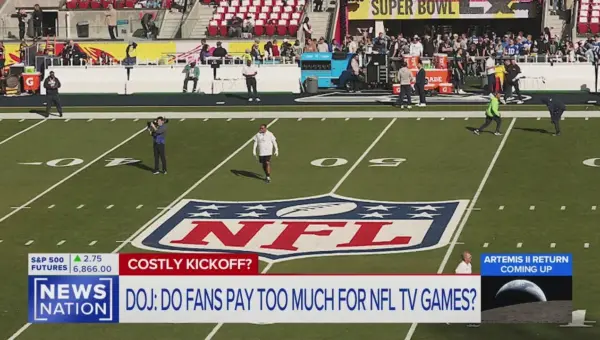
The U.S. Department of Justice is investigating the NFL, citing concerns that fans are overpaying and facing complicated access to games. With games spread across 10 networks and streamers, the cost to watch the entire season can exceed $1,000 annually. The league defends its current model, emphasizing free broadcast availability, while lawmakers also scrutinize the distribution practices.